Spinal disorders, including neck, mid-back, and lower back pain, are among the most common musculoskeletal concerns today. Globally, low back pain affects over 619 million people, with projections rising to 843 million by 2050. In India, spinal health is often described as a silent epidemic, with nearly 80% of individuals experiencing back pain at least once in their lifetime, and an increasing number of chronic cases appearing at younger ages.
As many individuals move away from long-term medication and symptom-focused care, Ayurveda offers a holistic approach to spine health. By addressing aggravated Vata—linked to stiffness, degeneration, and nerve sensitivity—Ayurvedic care aims to nourish muscles and joints, improve mobility, and support spinal stability through therapies, movement, diet, and lifestyle guidance.
Wellness Garden plays a facilitative role by helping individuals connect with qualified Ayurvedic practitioners and appropriate care settings, while offering guidance on preventive spine care and simple home-based practices.
Why Spine Disorders Need Early Attention?
Spine disorders affecting the cervical, thoracic, and lumbar regions are among the most common causes of long-term discomfort and disability today. The World Health Organization (WHO) identifies low back pain as the leading cause of disability worldwide. In India, a 2024 estimate by the Indian Spinal Injuries Centre (ISIC) reports that nearly 10 million new spine-related cases are recorded annually, increasingly among younger adults.
The type of spine disorder a person is likely to develop often correlates with age and life stage.
- Children and adolescents may present with congenital or developmental spinal conditions that benefit from early identification.
- Young adults commonly develop spine issues linked to injuries, prolonged sitting, poor posture, and sustained digital device use.
- Middle-aged individuals are more prone to degenerative changes, particularly in the neck and lower back.
- Older adults face higher risks of osteoporosis-related fractures and spinal stenosis, which can significantly affect mobility and independence.
Key Drivers
- Lifestyle strain: prolonged sitting, reduced physical activity, improper lifting techniques
- Technology overuse: forward-head posture, extended screen exposure, limited movement breaks
- Age-related degeneration: disc wear, joint stiffness, reduced tissue resilience
- Stress and fatigue: increased muscle tension, delayed recovery, heightened pain sensitivity
When conventional care offers only short-term relief, Ayurveda is often explored as complementary support focused on prevention, mobility, and long-term spinal health.
Five Common Spine Disorders Affecting Indians Today
The following conditions are frequently seen across different age groups in India and highlight the importance of early care and preventive attention:
- Cervical spondylosis – neck stiffness, shoulder discomfort, posture-related strain
- Lumbar disc disorders – lower back pain, restricted movement, disc bulge or herniation
- Degenerative disc disease – gradual disc wear leading to stiffness and reduced flexibility
- Spinal stenosis – narrowing of spinal spaces causing nerve compression and mobility issues
- Posture-related spine disorders – chronic strain from prolonged sitting and improper alignment
Early recognition and simple precautions play a key role in reducing progression and supporting long-term spinal health.
Ayurveda for Spine Disorders: Preventive, Supportive, and Root-Focused Care
While conventional treatment is essential for diagnosis and acute care, long-term spinal health relies on prevention, mobility, and functional support.
Ayurveda, one of the oldest systems of medicine, is rooted in a systemic, preventive approach that examines lifestyle, posture, digestion, stress, and tissue health as interconnected factors affecting spinal balance.
This approach is followed by Dr. Krishnan Narayana Pisharody (BAMS), an Ayurvedic physician with over 27 years of clinical experience, who has supported and treated individuals with a wide range of spine disorders using classical, holistic, and non-invasive Ayurvedic care.
Rather than focusing only on symptom relief, Ayurvedic care works to balance aggravated Vata, reduce inflammation, strengthen musculoskeletal tissues, and support detoxification through a combination of therapies, herbal formulations, and lifestyle modifications. It is commonly used as complementary care alongside modern treatment in long-term spine management.
Note: Spine conditions such as tuberculosis require medical supervision. Ayurvedic care is used only as supportive therapy alongside conventional treatment.
Key Ayurvedic Therapies Used for Spine Care
Ayurvedic therapies are personalized to support mobility, muscle balance, joint nourishment, and Vata correction. Sessions typically last 45–60 minutes, depending on condition and stage of care.
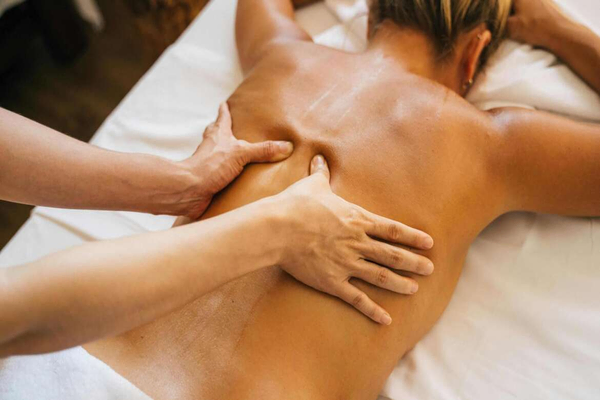
- Abhyanga (Medicated Oil Massage): Full-body or localized massage with Mahanarayan, Dhanwantharam, or Ksheerabala oil to relax muscles, improve circulation, and reduce stiffness.
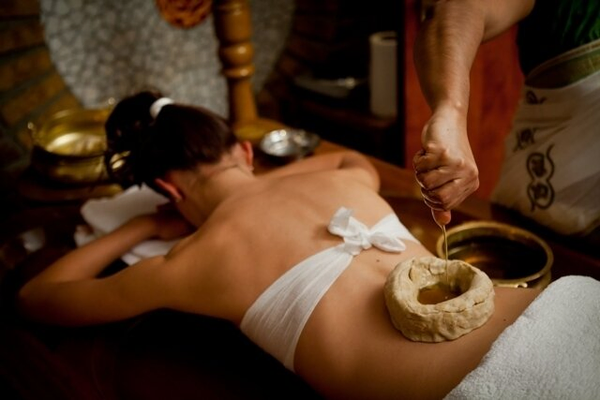
- Kati Basti & Greeva Basti (Local Oil Retention Therapies): Targeted oil retention for lower back (Kati) and neck/cervical spine (Greeva) to relieve tension, nourish joints, and strengthen muscles.
- Panchakarma-Based Therapies: Detoxifying and Vata-balancing therapies, including Snehana (oil massage), Swedana (steam), Basti (medicated enema), Virechana (purgation), and Nasya (nasal therapy), to improve circulation and reduce inflammation in chronic or degenerative conditions.
- Herbal Poultices & Compresses (Pinda Sweda / Elakizhi / Pizhichil): Warm herbal applications to ease pain, reduce muscle rigidity, and support tissue recovery.
- Diet & Lifestyle Guidance: Personalized plans with warm, easy-to-digest meals, anti-inflammatory spices (turmeric, ginger, cinnamon), healthy oils (ghee, sesame), posture awareness, and gentle activity to strengthen bones and nerves and support long-term spinal health.
Tip: As suggested by experts, combining Ayurveda with yoga asanas (Bhujangasana, Marjariasana) and physiotherapy techniques (TENS, ultrasound, stretching) can further improve spinal flexibility, posture, and overall strength.
When to Consult an Ayurvedic Expert
Consult an Ayurvedic expert if you have chronic or recurring pain, restricted movement, posture issues, or if conventional treatments give only temporary relief. Early care helps restore Vata balance, nourish muscles and joints, and support long-term spinal mobility.
Some try at-home remedies like Guggul, Nirgundi, Shallaki, or Ginger for mild discomfort with some back pain equipment, but personalised therapy from an experienced practitioner ensures lasting results.
Before therapy, the practitioner takes a detailed history and assessment to create a tailored plan suited to your spine, lifestyle, and overall health.
After Your Ayurvedic Spine Therapy: What to Expect & Home Tips
After a session, most people feel lighter, more relaxed, and less stiff. Mild soreness or warmth may occur — a normal part of tissue recovery.
Gentle movement only: For the first 24 hours, avoid heavy lifting, strenuous exercise, or prolonged sitting. Short walks and light stretches are fine.
Support recovery at home: Use warm compresses on tense areas, follow a warm, anti-inflammatory diet, stay hydrated, and get adequate rest. These practices help the body integrate therapy and maintain flexibility.
Ayurveda complements conventional care. Following these simple steps helps extend benefits, reduce stiffness, and support long-term spinal health.
Connect with Experts for Spine Care Through Wellness Garden
Wellness Garden helps you access the best Ayurvedic spine care experts for your specific needs — whether it’s chronic back pain, posture issues, or preventive support. Our digital platform connects you to over 400 trusted practitioners and 60+ therapies, making it easy to find the right expert and program for your condition.
With Ayurveda for spine disorders, you get personalized therapy plans tailored to your unique spinal or musculoskeletal issues, including guidance on posture, mobility, and lifestyle. We also integrates complementary options such as yoga, physiotherapy, chiropractic and movement-based sessions, providing a holistic approach beyond just back pain management.
We can connect you to care that fits your schedule and needs — from day clinics to short weekend retreats, or long-term residential programs for deeper therapy and lifestyle correction. Flexible plans can include 2-day or multi-day programs to suit your availability.
You can book sessions directly through our platform, and we create a customized PDF guide for you with therapy details, diet recommendations, and home practices to support your spinal health.
FQAs
1. How can I maintain spinal health in daily life?
Use an ergonomic chair, maintain good posture, take movement breaks, and follow gentle stretches or yoga.
2. Where can I find Ayurvedic spine care in Bangalore?
Wellness Garden connects you to trusted centres, day clinics, and retreats across Bangalore.
3. Can therapy be done at home?
Yes — certain therapies and guided exercises can be provided at home through Wellness Garden-coordinated sessions.
4. How soon will I see results?
Some relief may appear in a few sessions, but chronic conditions may require weeks of consistent therapy.
5. Can Ayurveda help with back pain and nerve issues?
Yes — it helps reduce inflammation, balance Vata, strengthen muscles, and nourish joints, supporting back and nerve health.
6. Does Ayurveda replace conventional treatment?
No — Ayurveda is supportive and complementary, especially for chronic or degenerative conditions, alongside medical supervision.
7. Can I plan short retreats or weekend programs?
Yes — Wellness Garden offers flexible 2-day, weekend, or longer programs tailored to your spine care needs