It’s no secret: more people than ever are trading noisy, draining sightseeing trips for wellness retreats in India. Young adults, couples, and early-career professionals often use these retreats to pause life’s demands, reflect, and recharge in a way ordinary vacations rarely allow.
First-timers often make mistakes—overpacking, skipping the digital detox, or trying to “do it all.” In this guide, we highlight seven common mistakes and how to avoid them, so your retreat becomes a genuine mind–body reset rather than just a “nice trip.”
Wellness Garden’s role is simple: to help you choose a retreat that suits your body, life stage, and comfort level, connecting you to trusted, beginner-friendly programs and ensuring you feel supported from inquiry to check-out.
We’ll also cover what a typical day looks like—therapies, food, digital detox, pacing, and practical packing tips—so you can approach your first retreat with curiosity and confidence.
Why Wellness Retreats in India Are Booming (and Not Just for Midlife Burnout)
Why are wellness retreats becoming a preferred alternative to conventional vacations? The answer lies in their capacity for deep restoration and holistic renewal. Research shows that structured retreat programs can reduce stress, enhance mood, support immune function, and even induce a cellular “reset,” fostering recovery at the body’s most fundamental levels. Experts such as Dr. Deepak Chopra and Dr. Nancy Lonsdorf. M.D., notes that retreats do more than relax the mind—they provide intentional practices that promote emotional clarity, restorative sleep, and resilience.
In India, this movement is amplified by traditions in Ayurveda, yoga, naturopathy, and nature-based therapies, supported by initiatives like AYUSH and Heal in India. Wellness tourism is valued at Rs. 490 billion, with services comprising 40% of the sector, and projected to reach USD 26.55 billion by 2029. Rising stress, lifestyle-related health challenges, and a global shift toward preventive care are key drivers of this growth.
Today’s retreats attract a wide range of people:
- Professionals aged 28–45 in demanding jobs or facing burnout
- Young couples looking for a meaningful break
- Women in midlife or perimenopause seeking better sleep and hormonal balance
- Older adults and retirees interested in slower-paced wellness and preventive care
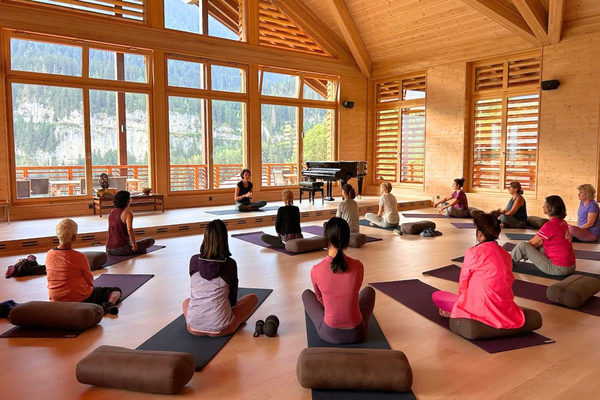
These retreats provide structured pathways to lasting well-being. Days typically include calm mornings, mindful meals, and guided practices such as yoga or meditation. Even after COVID, retreats have become intentional spaces for reflection, restoration, and self-care, offering a meaningful opportunity to reset and support overall wellness. Programs often include digital detox, nature immersion, energy therapy, and traditional Ayurveda, designed to nurture the mind, body, and spirit.
The Holistic Reset: What a Retreat Actually Feels Like
Wellness retreats are different. Unlike typical vacations, where you chase flights, check-ins, sightseeing, restaurant queues, shopping, and late nights, retreats flip the script. They offer calm, nature-led spaces, gentle routines, and intentional practices designed to support your mind, body, and spirit.
Looking ahead to 2026, if you’re planning a festive getaway around Christmas or New Year’s, it’s wise to pause and consider common misconceptions before booking. Understanding what a retreat truly offers can help ensure your experience is restorative rather than just another busy holiday.

Mistake 1: Expecting a retreat to feel like a spa holiday
Many people assume a retreat will feel like a luxury spa or pampered holiday. In reality, retreats take place in calm, nature-rich locations—forests, mountains, or riversides—with quiet surroundings. Days move slowly, with mindful meals and optional activities, letting your mind and body settle.
What first-timers will notice:
- No expertise needed – yoga, meditation, or plant-based meals are optional.
- Strange yet spacious – the first day can feel unusual as you notice how noisy and hectic daily life usually is.
- Digital pause – stepping away from phones and screens enhances calm and focus.
- Variety of experiences – yoga, meditation, Ayurveda, mindful walks, or digital detox – all focus on gentle restoration, not performance.
Retreats aren’t about escaping life—they help you reconnect with your body, give your nervous system space to rest, and let your mind feel lighter.
Mistake 2: Assuming the benefits are only “in your head”
Some first-timers think a retreat’s impact is purely mental—a temporary “feel-good” experience. In reality, retreats provide measurable benefits for the mind, body, and nervous system. Resetting your daily rhythm affects digestion, sleep, and stress response, not just mood.
What participants notice:
- Mental reset – reduced anxiety, clearer thinking, and fewer racing thoughts.
- Physical reset – better digestion, reduced bloating, deeper sleep, and lowered stress markers.
- Emotional reset – a safe space to release emotions, reflect, or process difficult feelings.
- Screen-free focus – taking a break from phones and devices improves attention, presence, and relaxation.
Retreats are more than “rest.” They create a structured pause that improves habits, stress response, and overall wellness. Even a short stay can produce noticeable improvements that last beyond the retreat.
Mistake 3: Booking a long retreat as your first experience
Many first-timers assume they need a week or more to benefit. In reality, even a short stay can create meaningful change. Jumping into a long, intense program on your first retreat can feel overwhelming and take the focus away from rest and reflection.
Options to consider:
- Weekend Reset (2–3 days) – a quick recharge for busy schedules; enough to reduce stress, try yoga or meditation, and experience gentle restoration.
- Deep Dive (5–7 days) – supports longer-term habit change, deeper rest, and emotional processing for those dealing with burnout, grief, or health transitions.
Start where you feel comfortable. Even a short retreat provides noticeable benefits, helping your mind, body, and nervous system recalibrate without pressure.
Mistake 4: Treating the schedule like a to-do list
Many guests feel they must follow every session, turning the retreat into another checklist. In reality, slowing down is the true purpose.
Key points:
- Solitude is allowed – it’s fine to eat, walk, or skip sessions alone.
- No judgments – clothes, fitness, or meditation experience don’t matter.
- Gentle silence – quiet mornings and meals are optional and guided, not forced.
- Permission to pause – by Day 3, doing nothing feels natural, not guilty.
- Listen to your body – adjusting activities to how you feel helps you integrate the retreat experience fully.
The retreat works best when you release schedules and expectations, allowing deeper rest, emotional clarity, and a real mind–body reset.
Mistake 5: Expecting dramatic breakthroughs on Day 1
Many first-timers anticipate immediate transformation, only to feel frustrated or tired instead. True benefits often unfold gradually as your body and mind adjust to slower rhythms.
What to expect:
- Gentle start – mornings begin with light yoga, stretching, or breathwork.
- Mindful meals – balanced, plant-forward meals support energy without feeling heavy.
- Rest and integration – afternoons may include journaling, naps, or quiet reflection, where much of the healing takes place.
- Evening calm – meditation, sound baths, or guided relaxation help down-regulate stress.
The first day is often about catching up on rest and noticing the difference from daily life. Real transformation comes as the nervous system and habits recalibrate over time—not instantly.
Mistake 6: Signing up for every therapy on Day 1
It’s tempting to try every treatment offered, but overloading your schedule can be overwhelming. A well-paced retreat starts with understanding your needs and choosing therapies that suit you.
How to approach it:
- Consult first – discuss sleep, stress, digestion, or chronic pain with retreat staff before selecting treatments.
- Bodywork – options like Ayurvedic oil massages, deep tissue for tension, or herbal steam for stiffness.
- Movement – gentle yoga, mindful walks, or stretching tailored to your body.
- Nervous-system care – sound therapy, Yoga Nidra, breathwork, or Reiki to reduce stress hormones.
Choosing therapies thoughtfully allows your body and mind to integrate each experience fully, ensuring a calmer, more restorative retreat.
Mistake 7: Assuming ‘detox’ means going hungry
Many first-timers worry that retreat meals will be restrictive or leave them feeling deprived. In reality, retreats focus on wholesome, satisfying nourishment that supports restoration.
What to expect:
- Balanced meals – warm, fresh, plant-forward dishes often based on regional grains, vegetables, and healthy fats.
- Temporary adjustment – mild headaches, sluggishness, or mood swings may appear on Day 2 as your body adapts to less sugar or caffeine; this usually passes within 24–48 hours.
- Adaptable options – meals can be adjusted for digestion, allergies, or hormonal needs.
- Sustained benefits – by the end of your stay, guests often notice reduced bloating, steadier energy, and improved mood.
The goal is nourishment, not restriction. Proper meals complement therapies, rest, and mindfulness to support a full mind–body reset.
Before You Book: Smart Checklist for First-Timers
Instead of scrolling endlessly, check these essentials before committing:
- Location & access – How far is it? Is the last stretch safe and well-connected?
- Retreat focus – Yoga, meditation, Ayurveda, sound healing, digital detox? Pick what matches your current needs, not someone else’s trend.
- Duration – 2–3 days for a quick reset; 5–7 days for a deeper shift.
- Accommodation & hygiene – Check photos and reviews for bathrooms, bedding, food, and overall comfort.
- Pricing clarity – Confirm inclusions, exclusions (tests, medicines, extra therapies), and taxes.
- Red flags – No proper health intake, over-promising language (“cure,” “guaranteed”), or constant pressure to upgrade.
- Packing essentials – Breathable clothes, a shawl for meditation, soft footwear, basic toiletries, a small journal, and a reusable water bottle. Keep it simple to gain more space and focus.
Tip: You don’t have to navigate all the options alone. Wellness Garden connects you to verified retreats, holistic-health experts, and wellness centres to ensure safe, beginner-friendly choices.
Take the Retreat Home with WG
A retreat doesn’t give you a new personality. It gives you more space in your day. Maybe you set 10:30 PM as a non-negotiable sleep time or add in a gentle stretch between meetings.
Research shows that simple practices from retreats can maintain improvements in stress and mood for weeks, especially if 1–2 habits are continued.
With the right support:
- Explore beginner-friendly retreats aligned with your needs — WG can help you shortlist options.
- Connect with vetted experts, wellness centers, retreats, and integrated hospitals for therapies that continue your reset at home — WG facilitates these connections.
- Add follow-up online consultations so the retreat becomes more than a one-off experience — WG can arrange guidance and check-ins.
Your first retreat doesn’t have to be perfect — it just needs to be safe, informed, and aligned with where you are right now.
FAQs
1. I have a health condition—can I still join?
Usually yes. Most centres customise therapies and meals after your wellness check-in so the plan suits your needs.
2. Which sessions are chargeable extras?
Depending on the package you choose, most retreats include spa therapies, deep-tissue massages, specialised healing sessions, and private consultations as exclusive add-ons.
3. What kind of food is served?
Expect simple, wholesome meals—often Ayurvedic, satvik, or farm-to-table. The food is nourishing and balanced, not restrictive “diet food.”
4. Can my dietary needs be accommodated?
Yes. Low-spice, vegan, gluten-free, diabetic-friendly, and hormone-sensitive meals can usually be arranged with prior notice.
5. Where can I book a trusted retreat?
Through Wellness Garden, we connect you to verified centres, offer clear comparisons, and coordinate the booking end-to-end.
6. Can I come alone?
Yes. Many people travel solo, and retreats are designed to feel safe, welcoming, and comfortable for first-time guests.