Unleash the Power of Osteopathy for Back Pain Relief
Discover how the body's musculoskeletal system may be made more mobile, less painful, and more balanced with the help of mild manipulation therapies.
Written by

WG
Editorial Team

Osteopathy is a holistic approach to healthcare that focuses on the musculoskeletal system, aiming to alleviate back pain through techniques such as spinal manipulation, stretching, and massage.
Osteopathy meaning stands out among the current treatment alternatives as a promising, comprehensive approach to treating the root cause of back pain and attaining maximum wellness. This article covers the foundations of including its advantages, methods, and necessary steps to start your journey of osteopathy for back pain-free life.
What is Osteopathy meaning?
Osteopathy is a medical philosophy that stresses the connection between how the body works and how it functions. The basis is the belief that the body can naturally self-heal and self-control. Osteopathic physicians, also referred to as Doctors of Osteopathic Medicine (DOs), diagnose and seek to diagnose and treat the basic causes of disease or dysfunction, in addition to its signs, to restore the body’s natural symmetry and balance. According to Mark Erwin, a disc biology professor at the University of Toronto, back pain is a “global burden” and a major contributor to disability.

How to perform Osteopathy Session
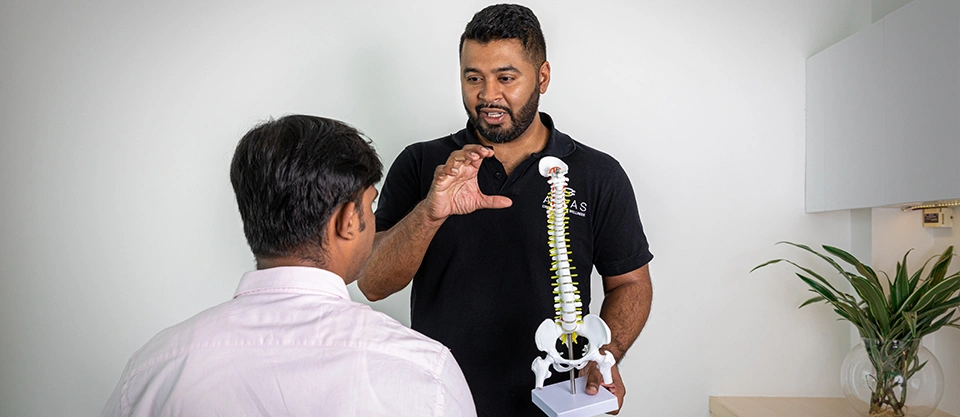
In an osteopathy for back pain, a skilled professional applies manual adjustments to the body to locate and treat areas of stress or dysfunction. For improved posture and reclaiming accessibility, therapies like joint mobilization, tissue manipulation, and stretches are used. According to the seriousness of the problem, the length of therapy varies and is customized to meet the requirements of every patient.
Preparing for the sessions
It is recommended that every patient receiving osteopathy or back pain dress comfortably and let the therapist know about any worries or medical history. It’s critical to adhere to any pre-session advice given and keep lines for interaction open throughout therapy.
What happened before, during, and after the therapy sessions
- Before Starting Osteopathic Therapy:
Customers usually see the osteopath for an appointment before beginning osteopathy treatment The osteopathic physician will perform a thorough evaluation of the person’s medical background, present signs, and past treatments or interventions during this appointment. It assists in the osteopath’s grasp of the patient’s specific needs and the creation of a customized treatment strategy.
- During Osteopathic Therapy Session:
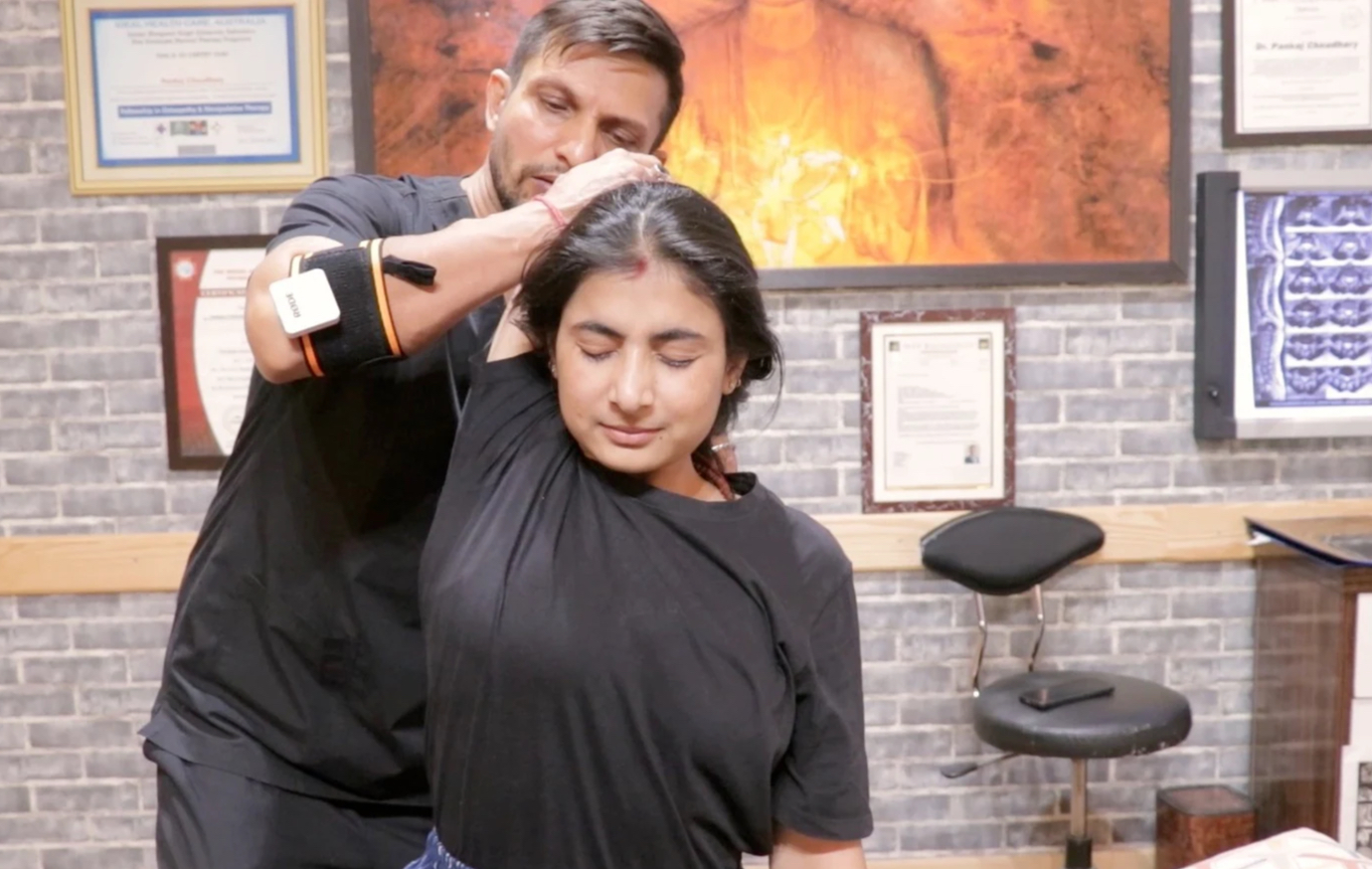
The patient will usually be directed to lie down on a therapeutic table while receiving osteopathic therapy, and they will typically do so while fully clothed. The individual’s skeletal system and muscles will be examined and treated by the osteopath using mild manual methods. These approaches could involve soft pressure, massages, stretching out, or manipulation of particular body parts.
- Post-Osteopathic Therapy:
Following a osteopathy for back pain session, patients could experience a variety of things, such as more mobility, a sense of calm, or slight discomfort in the areas that were treated. Users are frequently told to stay hydrated as well as limit vigorous exercise right after their appointment so that the body can fully integrate the therapy