Types of Yoga: The Art of Spinal Alignment
You don't have to force yourself into crazy pretzel forms to do yoga. It's about finding your inner power and resilience, clearing space in your body, and stilling your mind. Unroll your yoga mat and start to learn about what exactly is yoga.
Written by

WG
Editorial Team

Reviewed By: Dr. Vadivel Dhatchanamoorthy, BNYS
Yoga is an effective method for treating back pain and enhancing general health. But it’s important to pay attention to your body and not push yourself past discomfort. Take it easy at first, select postures that you find comfortable, and don’t be afraid to adjust them as necessary.
You may start your road to a more conscious way of living and a healthier, pain-free back by including yoga in your regimen.
What makes yoga better for your back?
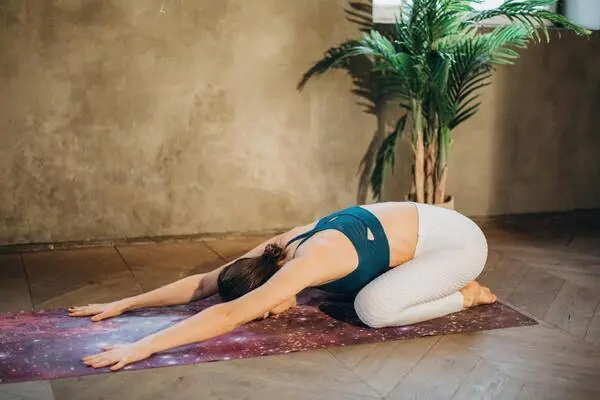
Yoga brings the body and mind into harmony. Yoga has mental and physical health advantages. The practice of yoga has been around since the beginning of time. The type of yoga offers a special fusion of mindfulness activities, breathing exercises, and physical postures called pranayama. This is why it’s good for your back.
- Enhances Flexibility: Back discomfort is a result of tense muscles. Yoga improves flexibility and eases tension by stretching and lengthening the muscles that surround the spine.
- Strengthens Core: The spine is stabilized and supported by a strong core. Yoga poses work the core muscles in different ways, strengthening them and assisting in maintaining good posture.
- Lessens Stress: Tension can make back discomfort worse. The stress-reduction methods found in yoga and meditation contribute to a calmer state of mind and maybe a decrease in pain perception.
- Increases Body Awareness: The practice of yoga promotes awareness of your body and its motions. This increased awareness aids in locating and addressing postural abnormalities.
Different types of Yoga
Different types of yoga exist, each with a unique emphasis and level of intensity. Here’s a quick rundown of 5 types of yoga:
1. Hatha Yoga:
Suitable for beginners, this mild form of yoga emphasizes fundamental poses and breathing techniques. Hatha yoga helps the body regain its balance. The harmony between the energy points and chakras is improved by this style of yoga. The areas in our bodies where energy is focused, or vortexes, are known as chakras. They attach to particular glands and organs and are found in seven distinct places throughout the body.
2. Vinyasa Yoga:
Another name for this style of yoga is “flow” yoga. The two elements of the term “Vinyasa” are Nyasa, which means within certain bounds, and Vi, which means variation.
Suitable for individuals looking for a more energetic practice, this more dynamic form synchronizes movement with breath.
3. Kundalini Yoga:
Kriya yoga stimulates the dormant kundalini Shakti. The base of the spine is home to this spiritual energy. According to yogis, Kundalini Shakti sits dormant at the base of the spine, resembling a coiled snake. Thus, the energetic energy that is active ascends the spine and enhances your spiritual health. Moreover, Kundalini yoga helps with stress, anxiety, sadness, and improved cognitive function. Chanting precedes the movements, which are then followed by pranayama, or deliberate, controlled breathing. Next is kriya, which is a series of mudras (particular hand placement) or postures. After that, pranayama, chanting, and meditation are practiced.
4. Iyengar Yoga:
This type of yoga supports the body in calming poses with props like blankets and bolsters, making it perfect for healing and stress release.
5. Hot Yoga:
Hot yoga could be your go-to practice if you enjoy working up a sweat. This method, which is usually done in a heated room, encourages heavy sweating to improve flexibility and detoxification. Two well-liked versions are Hot Vinyasa and Bikram. In addition to being physically demanding, hot yoga fosters mental toughness and endurance.