How Physiotherapy Treatment Supports Muscle and Bone Health in Bangalore
Are you experiencing muscle weakness, joint pain, or limited mobility? Or perhaps you're recovering from an injury? Physiotherapy can help you regain strength, improve flexibility, and enhance your overall well-being.
Written by

WG
Editorial Team

Reviewed By: Dr. Govinda Raju Srinivas, BPt, Msc, PhD
Muscle aches and joint stiffness can quietly drain your strength. That’s where physiotherapy treatment steps in — to restore movement and relieve discomfort through targeted exercises and hands-on care. It supports long-term muscle and bone health by addressing issues like muscle strain and improving overall mobility. If you’re wondering how physiotherapy works or even asking, “Is physiotherapy painful?” — this guide will help you understand the process and its lasting benefits.

Physiotherapy for Muscle and Bone Health: A Natural Path to Strength and Mobility
Physiotherapy is a time-tested approach that began in Europe in the early 1900s. Initially focused on hands-on care and therapeutic exercises to restore movement, it has now evolved into a leading, evidence-based physiotherapy treatmentfor improving musculoskeletal health.
Conditions like muscle strain, arthritis, osteoporosis, injuries, and age-related stiffness can weaken both muscles and bones. Today, many individuals are turning to physiotherapy in Bangalore as a natural and personalized solution. Depending on your condition, physiotherapists may use a combination of manual therapy, targeted strengthening exercises, dry needling, ultrasound therapy, and posture correction techniques.
By improving blood flow, reducing inflammation, and supporting better joint alignment, physiotherapy helps the body heal naturally. It enhances mobility and builds strength from within — offering a non-invasive, drug-free approach that brings lasting relief without side effects.
How Physiotherapy Helps: Step by Step Guide
At Wellness Garden, we connect you with experienced physiotherapy experts in Bangalore who walk you through what to expect before starting treatment. Here are some common steps used in physiotherapy treatment to support muscle and bone health, including physiotherapy at home options.
- Personal Consultation & Assessment
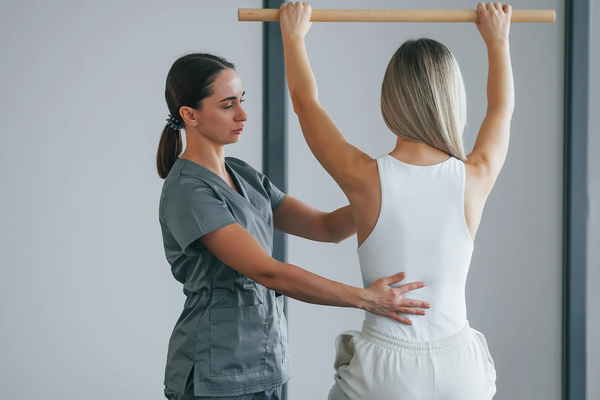
The first step is a personalised assessment where the physiotherapist evaluates your movement, posture, muscle strength, and joint health. This session helps identify pain points or imbalances and sets the direction for a plan that’s aligned with your body and recovery goals. Tools like gait analysis or posture scans may also be used.
- Customised Treatment Plan
Your therapy begins with a customised plan focusing on areas like joint support, muscle strength, flexibility, or muscle strain recovery. Depending on your needs, this plan may include manual therapy, ultrasound therapy, or posture correction techniques—commonly included in physiotherapy in Bangalore programs.
- Use of Therapy Techniques
Once the plan is ready, your physiotherapist starts with specific treatments such as joint mobilisation, stretching, core strengthening, and muscle activation routines. In some cases, dry needling, therapeutic taping, or machine therapy may be included to reduce pain and improve movement. These methods are often part of at-home physiotherapy setups too.
- Frequency and Duration of Sessions
Most plans recommend sessions 2 to 3 times a week, each lasting 30 to 60 minutes, based on your condition. The duration may vary for concerns like post-injury care, age-related stiffness, or chronic muscle tightness, and will be adjusted as your strength and bone stability improve.
- Follow-Up and Progress Tracking
Progress is monitored closely with regular follow-ups. The physiotherapist may change exercises, add resistance, or shift focus based on how your body is responding. Tools like strength testing or motion tracking apps may also be used to track outcomes and improve the plan over time. This ongoing support helps you understand how physiotherapy works for long-term mobility.
Precaution: Physiotherapy treatment may not be suitable during acute injuries, post-surgery or for severe osteoporosis, heart issues, or neurological conditions. Always consult a registered physiotherapist or doctor first.