Moxibustion Therapy: A Gentle, Heat-Based Approach to Back Pain Relief
Want to relieve back pain naturally? Discover how gentle moxibustion works with a simple step-by-step guide and its benefits.
Written by

WG
Editorial Team
Reviewed By: Dr. Rudresh, MD Acu, BDS, DM Chiro
“Do you often struggle with stiffness or a dull ache in your lower back after long work hours or endless sitting at home?”
Back pain affects nearly 80% of adults over their lifetime, and the numbers continue to rise, making it the leading cause of disability worldwide. Lower back concerns make up the majority, with global cases projected to grow by almost 35% by 2050—impacting around 843 million people. Such a common condition calls for care, not resignation. One time-honoured natural therapy is Moxibustion, a Traditional Chinese Medicine (TCM) practice that involves burning moxa—a cone or stick made from dried mugwort leaves—near targeted points on the body to release gentle heat, boost circulation, and ease discomfort.
This is where Wellness Garden comes in- Bangalore based digital platform, connecting you with over 600 experts who offer natural, personalised care that fits modern lifestyles, helping you manage pain in a safe and holistic way.
What is Moxibustion? From Ancient Tradition to Modern Back Pain Relief
Moxibustion, often called moxa, is a traditional therapy that uses dried mugwort leaves (Artemisia) formed into small sticks or cones. These are gently burned near specific acupuncture points or regions of the body to create a soothing warmth. Rooted in Traditional Chinese Medicine (TCM) and practiced across East Asia, it has been used for over 2,500 years to warm meridians, ease pain, and improve circulation.
The herb mugwort is central to this practice. Beyond its medicinal use, it’s also found in foods around the world — from Korean soups to Japanese kusa mochi. In moxibustion, however, its slow, gentle burn releases a heat believed to stimulate energy (Qi), reduce inflammation, and support natural healing.
In India, practitioners are increasingly exploring this ancient therapy for modern health concerns. Dr. A. Shaji Bharath, Ph.D., an experienced acupuncture specialist with over 18 years of practice in Chennai, notes that moxibustion may benefit people with chronic low-back pain, muscle strain, and certain disc-related conditions. Its potential to improve circulation, reduce inflammation, and modulate pain makes it an appealing choice for those seeking complementary, non-drug therapies.
At its core, moxibustion remains both ancient and modern — a therapy that bridges the wisdom of TCM with today’s growing, evidence-based interest in holistic, heat-based healing.
How Moxibustion Therapy Works: Step by Step Process
Moxibustion should always be discussed with a licensed practitioner, such as an acupuncturist or TCM doctor. Each plan is customised based on your symptoms, overall health, and medical history. Your practitioner will consider factors like previous injuries, medications (especially blood thinners), chronic conditions, and lifestyle. This ensures the therapy is safe and suitable for you
1. Consultation & Assessment
Your first session begins with a thorough review of your health. The practitioner will ask about your pain patterns, daily activities, past treatments, and any scans or reports you may have. They will also check for red flags like numbness, weakness, bowel or bladder changes, as well as conditions such as diabetes, neuropathy, or sensitive skin. This ensures moxibustion is safe for you and helps determine the most suitable approach.
2. Acupoint Selection
For lower back pain, practitioners target specific acupoints along the spine and nearby meridians to loosen tight muscles, improve circulation, and ease nerve tension. Common points include BL23 (Shenshu) near the kidneys, BL25 (Dachangshu) along the lower spine, GV3 (Yaoyangguan) at the center of the lower back, and GV4 (Mingmen) just below the second lumbar vertebra. Jiaji/EX-B2 points beside affected vertebrae may also be included.
The exact selection depends on your TCM diagnosis, ensuring therapy is tailored to your pain pattern and promotes warmth and relaxation in the lumbar area.
3. Applying the Technique
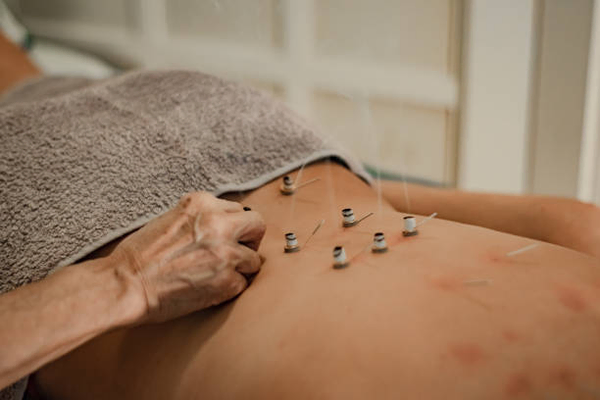
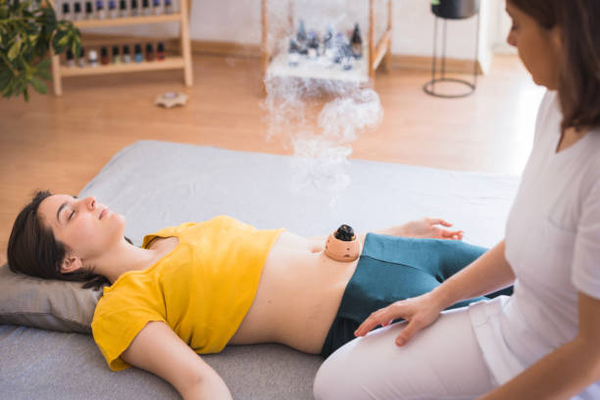
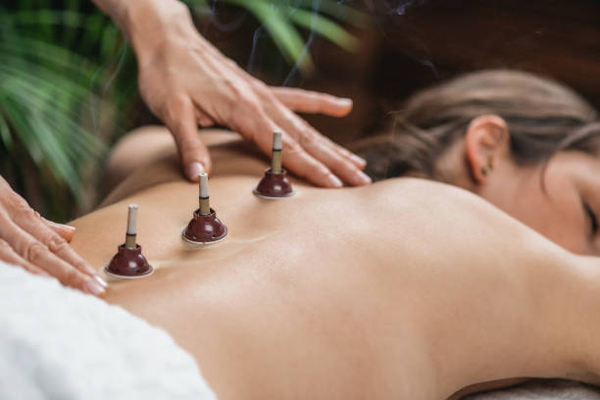
Moxibustion can be performed in several ways, depending on your needs. The most common is the indirect moxa stick, held above the skin to deliver gentle, penetrating warmth. Sometimes, moxa is placed on acupuncture needles to heat deeper tissues, or a moxa box or herbal medium (like ginger or salt) is used for larger areas. Direct moxibustion, where cones touch the skin, is rare and done only by trained specialists due to burn risk.
During the session, you’ll feel soothing warmth that relaxes muscles, eases stiffness, and improves circulation, creating a calm, restorative experience.
4. Session Duration & Frequency
A typical session lasts 10–30 minutes for a single area. For low-back pain, practitioners often recommend 2–3 sessions per week for 4–8 weeks, although some may switch to 1–2 weekly maintenance sessions once symptoms improve. Relief may be felt after the first few sessions, but for many, improvement builds gradually over several weeks. Your practitioner will tailor the schedule based on how your body responds.
5. Post-Treatment Care
After a session, your back may feel warmer, looser, and more relaxed. Mild redness or tenderness is common and usually fades quickly. To protect the benefits, avoid hot showers, saunas, or heavy exercise for a few hours. If blistering, spreading redness, pus, or fever occurs, seek medical attention immediately.
Your practitioner may also recommend gentle stretches, posture adjustments, or follow-up sessions to maintain results and prevent recurrence.