Meditation for Back Pain Relief and Mental Peace
Can meditation really ease back pain and bring mental peace? Learn how each step supports your body and mind.
Written by

WG
Editorial Team
Reviewed By: Dr. Aditi S. Prabhu, BNYS
Back pain can be a quiet burden that disrupts your daily rhythm, often bringing a mix of discomforts that make even simple movement difficult. Managing it should go beyond temporary fixes—it calls for mindful habits and natural therapies like yoga and meditation, which support healing and help restore mental peace along with physical balance.
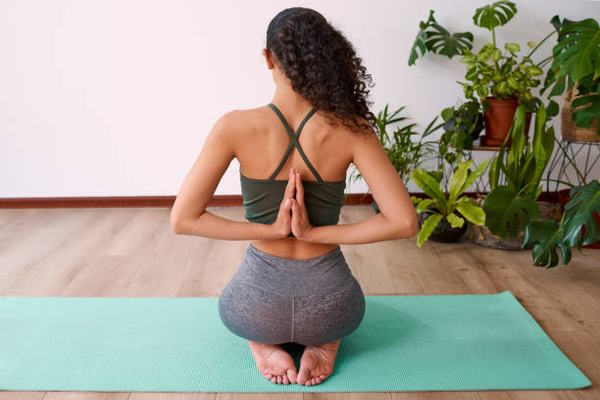
Meditation for Back Pain: A Natural Path to Healing and Balance
Meditation has been practiced for thousands of years to help people find calm and balance in both body and mind. When back pain appears from bad posture, from an injury, or from the pressures of daily life, even small tasks can become challenging. And with today’s fast pace, it’s easy to forget how much stress contributes to that pain—something often addressed at a trusted meditation center.
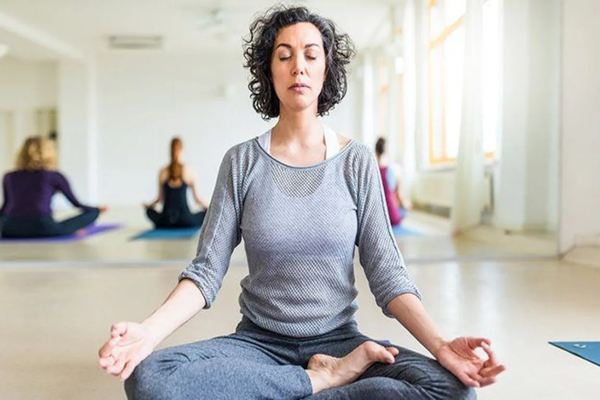
Meditation does that by calming your nervous system, relaxing tense muscles and reducing stress levels. When you take it easy on your breathing and attend to your body, it helps tension relax and the body to mend itself, restoring both mobility and mental peace.
Because you make it a regular practice, you begin noticing how you sit, stand and move, which ensures you’re not contributing extra strain on your back. Stiffness gradually yields to movement, soreness melts away and you feel stronger and more flexible and comfortable.
In addition to physical benefits, meditation can also elevate your mood, improve your sleep, and usher in a sense of calm. It’s a drug-free way to manage back pain for many people and feel more like themselves—especially when supported by structured approaches like yoga and meditation or focused techniques such as Trataka meditation.
As Dr. Amod Manocha, Pain Management Specialist at INTERNATIONAL PAIN CENTRE, New Delhi, with over 17 years of UK experience, shares—mindful practices like meditation play an important role in improving quality of life and managing chronic pain holistically.
How Meditation Centers Guide You: A Step Process to Ease Back Pain
To support your back pain recovery, Wellness Garden connects you with trusted health partners who follow a step-by-step approach. These 5 steps show how meditation is customized and applied to effectively relieve back pain—guiding your body toward balance, relaxation, and lasting healing through natural methods such as mindfulness, posture correction, and breathwork.
Personal Consultation & Assessment
Your wellness plan begins with a personalized consultation during which the specialist determines the potential causes of your back pain, such as herniated discs, sciatica, muscle strain, or degenerative disc disease. Your posture, your stress, your emotions, your lifestyle, they do it all. This comprehensive evaluation confirms the development of a meditation prescription customized to you and to your experience of pain—often provided through a trusted meditation center.
Customised Treatment Plan
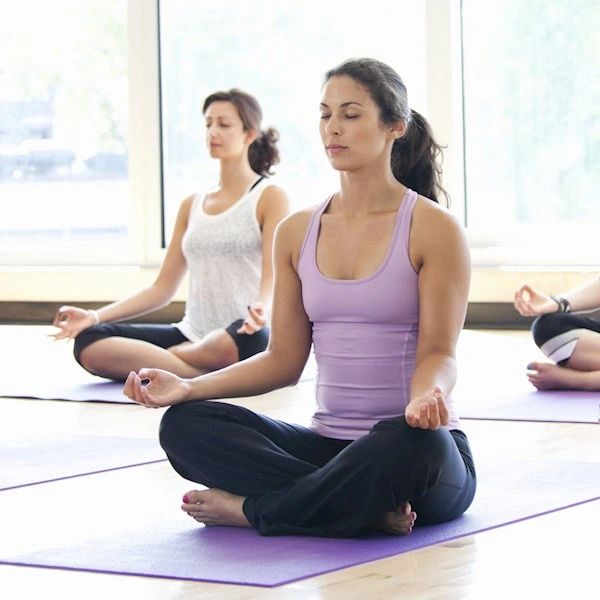
An individual program involves mindfulness, pranayama (breathing), relaxation and imagery. Here are some asanas that help release the stiffness of the backbone which can let the flow of the nectar to the brain and reduce pain—physical as well as mental: Thunderbolt Pose (Vajrasana), side twists, and Happy Pose. These elements are commonly integrated in yoga and meditation routines that support long-term recovery and mental peace.
Use of Therapy
In each session, you will practice deep breathing, body scanning, and mental relaxation to calm the nervous system and loosen tense muscles. Soft stretches and conscious movement can also be incorporated to enhance flexibility. These workouts correct your posture while resulting in long-term relief. Some practices may include Trataka meditation for enhanced focus and nervous system regulation. You will usually sit upright, slightly inclined, or on a cushion, or lie down with your feet on a chair and knees at a 90-degree angle to stay relaxed and avoid pressure on your spine.
Frequency and Duration of Sessions
Sessions are 20–40 minutes long, averaging 8–10 sessions over multiple weeks. Though some people tend to feel better fast, there seems to be a benefit of having practice stick around for longer term effects. Consistency is key: long-term back pain relief with meditation is about keeping at it.
Follow-Up and Progress Tracking
You are monitored regularly for improvement and adjusted, if necessary. In the case of chronic pain, meditation can be supplemented with yoga, acupuncture or physical therapy. This holistic approach can help bring healing to the whole body and healthier balance in the long term.
Precaution: Meditation practices can be painful sometimes when you’re pregnant, elderly, have a chronic illness, severe anxiety disorders, be sure to get the OK from a healthcare provider or consult a certified expert through a trusted meditation centre.