Your Guide to Cupping Therapy for Lower Back Pain in Bangalore
Have you considered trying cupping therapy for lower back pain? This simple, time-tested method uses gentle suction to ease stiffness, release tension, and bring lasting relief.
Written by

WG
Editorial Team
Reviewed By: Dr. Rudresh, MD Acu, BDS, DM Chiro (Sweden), CDC (USA)
Chronic back pain doesn’t just affect your body, it slows you down, clouds your mood, and turns simple routines into daily challenges. Mornings feel stiff, sleep becomes restless, and even sitting feels heavy. If this sounds familiar, you’re not alone. Cupping therapy for lower back pain offers a calming, natural solution gently loosening tight muscles, boosting circulation, and supporting your body’s natural recovery process.
Cupping Therapy for Lower Back Pain Relief: A Natural, Time-Tested Approach
Cupping therapy is an ancient healing method that has been used for thousands of years across Chinese, Egyptian, and Middle Eastern cultures. Today, it continues to offer natural pain relief especially for those struggling with persistent back pain due to stress, poor posture, or long hours of sitting. As Harvard Health notes, cupping has gained global popularity in recent years, even among athletes and celebrities, for its ability to ease muscle tightness and restore movement without medication.
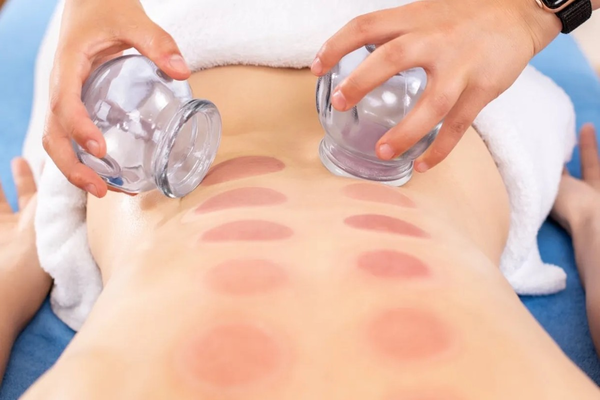
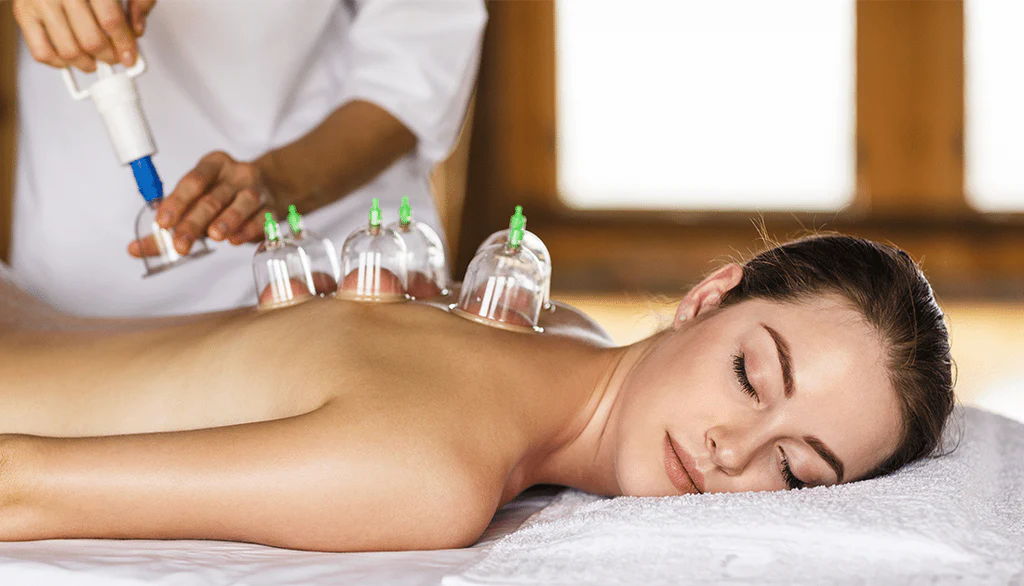
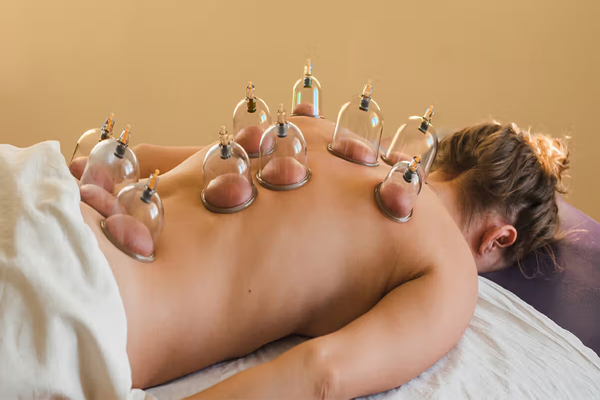
The therapy involves placing special cups made of glass, bamboo, silicone, or plastic on the back to create gentle suction. This action draws blood to the surface, improves circulation, and supports the body’s natural healing response. For back pain, this means releasing deep muscle tension, improving flexibility, and helping the spine feel lighter and more supported.
Different methods are used depending on your body’s needs. Dry cupping uses suction alone, while moving cupping glides the cups along the back like a deep-tissue massage. Fire cupping uses heat to create suction, and wet cupping includes small incisions to release built-up toxins. Your therapist will recommend the right technique for your pain points and recovery goals.
What surprises many is how relaxing the experience can be. The cups are warm, the suction is gentle, and the session feels calming—even meditative. It’s a simple, drug-free way to ease back pain and let your body unwind, naturally.
Cupping Therapy for Back Pain: Step-by-Step Treatment Guide
Cupping is thought to create a balance in the body’s qi (energy), to alleviate symptoms such as lower back pain, upper back tension and chronic stiffness by moving the body’s blood for the pain as well as for the cold! These steps make it easy to see where the “magic” of cupping comes into play especially when using it to decrease back pain and ease those tight muscles. Our body clocks reset with greater ease when in a place of balance.
Personal Consultation & Assessment
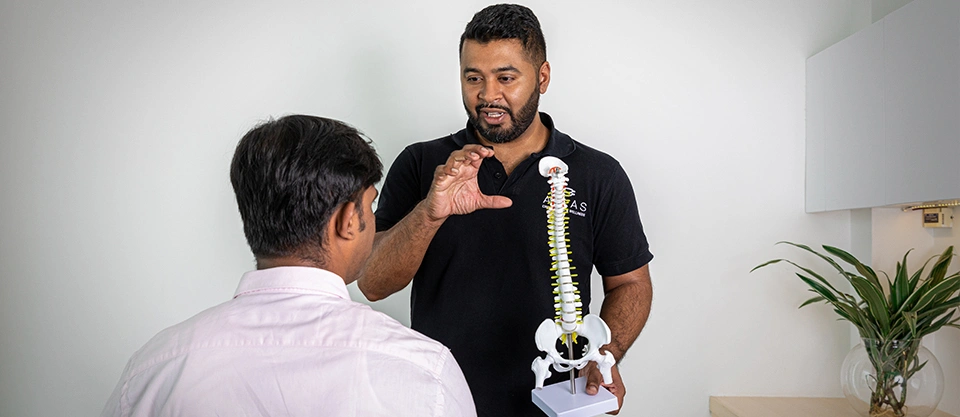
The therapist will ask about where your pain is (upper, mid, lower), how long the pain has been present, how the pain affects your range of motion. The therapist is trying to determine whether the pain is based on stress, posture, menstruation, muscle strain, etc. This way they can customise the treatments for you.
Customised Treatment Plan
Based on your feedback, the therapist selects the appropriate cupping method—dry, moving, or wet—and identifies exact points along the spine, shoulders, or lower back that are tight or blocked.For back pain, areas with poor circulation or chronic knots are marked, often following traditional meridian lines related to muscle recovery and spinal energy flow.
Use of Therapy
A provider places cups on your back—commonly along both sides of the spine or across the shoulders.A vacuum or suction force inside the cups gently pulls the skin upward, creating space in the deeper tissues and muscles. This action increases blood flow, relieves compression, and helps release built-up tension in the back. Moving cupping may also be used across the back to help mobilize tight muscles and improve overall flexibility.
Frequency and Duration of Sessions
Each appointment usually lasts anywhere from 20 – 40 minutes. There may be 4 – 6 appointments or treatment sessions to relieve mild back pain or mild muscle strain. If there is chronic pain associated with back pain or even a postural issue, a longer term plan will be run, and maybe on a weekly basis. You can also combine cupping with acupuncture, physiotherapy, or guided movement therapies to provide more sustained relief.
Follow-Up and Progress Tracking
With each visit, your therapist tracks your pain levels, mobility, and how your back is responding to cupping.Adjustments in suction strength or cup placement are made based on your healing. If the pain is linked to lifestyle stress or fatigue, additional support through natural therapies may be discussed.
Aftercare & Precautions: Cupping usually feels like a nice warm pull on your skin in addition, most people find it oddly very relaxing. You will most likely have some round marks ‘bruised’ after the treatment, but these usually fade away in a few days. We recommend you take it easy for the next 24 hours: rest, drink fluids, and snuggle in. If you are pregnant or have any health conditions, your therapist will be sure to determine if this is the right fit for you.