Acupuncture for Neck Pain and Cervical Relief: Understanding Human Body Meridians
Struggling with persistent neck and shoulder pain? Curious how acupuncture therapy can help relieve the discomfort and restore mobility?
Written by

WG
Editorial Team

Reviewed By: Dr. Rudresh, MD Acu, BDS, DM Chiro (Sweden), CDC (USA)
Neck and shoulder pain often develop silently due to poor posture, stress, or muscle overuse, leading to deep discomfort over time. Through the gentle principles of meridian Chinese medicine, acupuncture for neck pain offers targeted relief by activating key human body meridians. This blog explains how the therapy works—helping you find quick relief from shoulder pain, stiffness, and sprain neck without medication or side effects.
Understanding How Acupuncture Works to Ease Neck and Shoulder Pain
Acupuncture for neck pain, rooted in traditional Chinese medicine, provides quick relief from shoulder tension and stiffness—gently and without side effects.
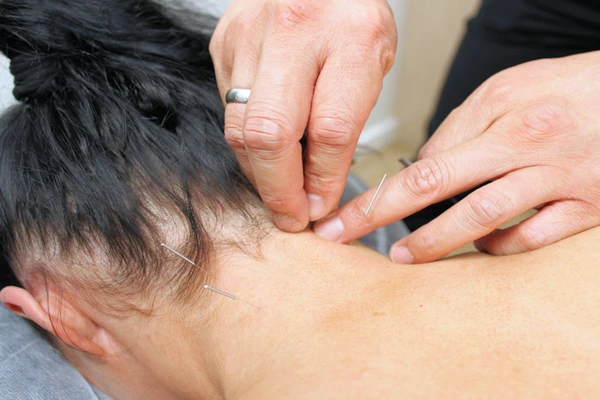
This natural, drug-free therapy uses ultra-thin needles inserted at specific points along the human body meridians to ease tension, boost circulation, and activate the body’s healing response. Practiced for over 3,000 years, meridian Chinese medicine remains a trusted method for managing pain—both in clinical care and cervical treatment at home.
Neck pain often stems from poor posture, stress, or muscle strain, while shoulder issues may result from periarthritis, fasciitis, rotator cuff injuries, sprain neck, post-stroke complications, or acromial impingement. These conditions can limit movement and impact daily comfort.
Research reveals that acupuncture increases blood flow, reduces inflammation, and releases natural neurochemicals like dopamine and serotonin, which help relieve pain and promote relaxation. A 2021 study also supports its effectiveness, alongside therapies like dry needling and cupping, in treating musculoskeletal concerns.
Dr. Ashwathy Baburajan of Prana Yoga & Acupuncture Clinic in Bangalore, with 16 years of experience in acupuncture, explains that it aids recovery, restores flexibility, and provides lasting relief from neck and shoulder pain—without medication or invasive procedures.
5 Step-by-Step: How Acupuncture Relieves Neck and Shoulder Pain
Identify how treatment with acupuncture therapy helps alleviate neck and shoulder pain by treating key points of pressure to reduce anxiety, increase blood flow, and regain harmony.
- Consultation and Assessment
You will be consulted in detail about your neck and shoulder pain, including its intensity, duration, and any trigger. Then, they will collect your medical history, lifestyle habits, and past treatments to know the root causes that lead to your discomfort.
- Personalized Treatment Plan
Depending on the assessment, a tailored acupuncture treatment is designed. This could mean using particular points of acupuncture associated with your symptoms-muscle tension in the neck or restricted shoulder movement, for instance. The practitioner also may recommend additional strategies, such as particular stretches or relaxation techniques.
- Therapy Implementation
In a soothing setting, ultra-fine micro needles are inserted without causing too much discomfort at selected points, primarily in the neck and shoulders. The treatment stimulates healing and releases natural pain-relieving endorphins within the body.
- Duration and Frequency
A session will take 30 to 60 minutes, usually recommending 5 to 12 sessions over several weeks. Some individuals experience mild soreness or fatigue after treatment of acupuncture therapy; however, this usually subsides within a short period.
- Results and Follow-Up
Many find that after a few treatments, they get respite from the pain and increased mobility. Follow-up appointments assess their progress and adjust the treatment plans to ensure maximum benefits are retained.
Precaution: Avoid acupuncture if you have bleeding disorders, a pacemaker, or active infections near the needle site. Always consult a qualified expert before starting treatment, especially during pregnancy or post-surgery.