A Guide to Cryotherapy Procedure: Boost Vitality, Longevity & Preventive Wellness
Have you explored the power of cold? A Cryotherapy Procedure may boost recovery, energy, and overall wellness.
Written by

WG
Editorial Team
Reviewed By: Dr. Irfana Akther, MBBS, MAHM (UK), NMD
Feeling drained, achy, or constantly low on energy, even after a full night’s sleep? In today’s fast-paced life, finding a quick, effective way to reset your body can feel impossible. That’s where cold therapy, better known as cryotherapy, comes in.
During a typical session, the body is exposed to extremely low temperatures for 2–3 minutes, triggering improved circulation, reduced inflammation, and enhanced cellular recovery. As the U.S. Food and Drug Administration (FDA) explains, cryotherapy involves “super-cooling” the body for therapeutic purposes, and proponents suggest it can boost energy, support preventive wellness, and improve overall vitality.
But is the cryotherapy procedure really worth the chill? In this guide, we uncover how it works, the potential risks and benefits, and how to get started safely.
Cryotherapy: Ancient Cold Therapy for Modern Wellness
Cryotherapy, from the Greek words “cryo” (cold) and “therapy” (treatment), has been used for centuries to support overall well-being, ease discomfort, and help the body recover. Ancient Greeks used cold water for healing, while in the 19th century, ice and snow helped reduce surgical pain for soldiers.
Today, cryotherapy has evolved into different approaches that target specific health and wellness goals. Whole-Body Cryotherapy (WBC) exposes the entire body to very low temperatures for a few minutes, helping improve circulation, reduce inflammation, and speed recovery. Localized cryotherapy focuses on specific areas to relieve joint or muscle pain, stiffness, and swelling. Cryofacial therapy targets the face, reducing puffiness, improving skin glow, and stimulating collagen. Cryolipolysis (fat freezing) is a non-invasive method to reduce stubborn fat in targeted areas.
People turn to cryotherapy to address everyday challenges such as fatigue, joint discomfort, stress, hormonal dips, and circulation issues. According to a study published in the Journal of Athletic Training, whole-body cryotherapy (WBC) effectively enhances muscle recovery and reduces performance decrements following exercise-induced muscle damage.
At Wellness Garden, cryotherapy is offered as part of holistic wellness programs designed to support overall health, daily energy, and preventive care for long-term well-being.
Cryotherapy Procedure: A Step-by-Step Guide
Cryotherapy exposes the body to extreme cold to stimulate circulation, reduce inflammation, and support recovery. Each session is short, controlled, and guided by trained technicians to ensure safety and effectiveness.
Before your session, a qualified technician or therapist reviews your medical history, current health conditions, and any medications. This initial review helps determine the best approach—whether whole-body cryotherapy or a targeted, localised treatment.
Step 1: Preparation
Before your session, you’ll receive instructions on attire and protective gear such as gloves, socks, and shoes, often with minimal clothing like shorts or a robe. Remove jewelry, wet clothing, or personal items. Make sure your skin is dry. If you have medical conditions like heart disease, hypertension, or cold allergies, consult a professional before starting.
Step 2: Entering the Cryochamber
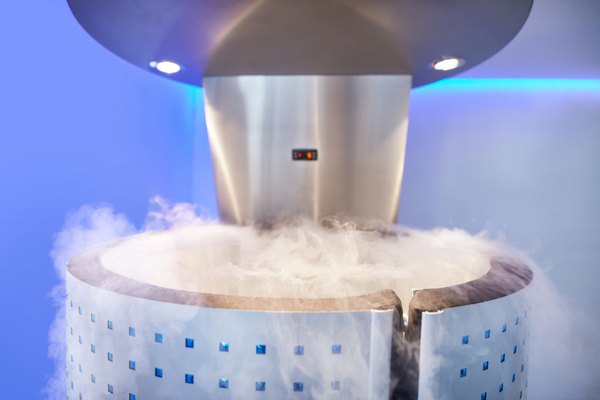
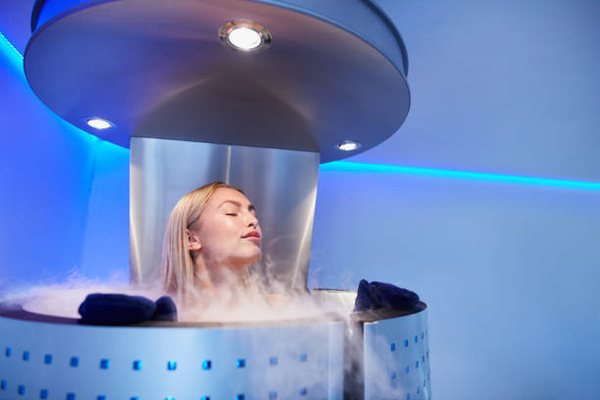
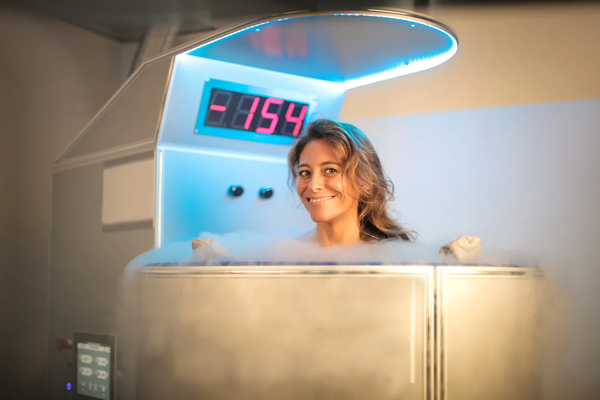
For whole-body cryotherapy (WBC), step into a cryochamber for 2–4 minutes at –110°C to –160°C. Localized cryotherapy targets specific areas at slightly milder temperatures (–30°C to –50°C) for 5–10 minutes. The extreme cold triggers circulation, reduces inflammation, and stimulates the body’s natural recovery processes. Wear all provided protective gear and keep skin dry.
Step 3: During the Session
A trained technician operates the machine while you remain in the chamber. You may feel tingling, light shivering, or warmth returning to your skin—these are normal responses. Localized cold packs or devices focus on sore muscles or inflamed joints for targeted relief.
Step 4: Post-Session Recovery
Mild redness, tingling, or warmth is expected after the session. Gentle movement, stretching, or light activity helps maintain circulation. Hydrate well to support recovery.
Step 5: Frequency & Safety
Sessions can be repeated 2–3 times per week depending on your goals and comfort. Always follow technician guidance, monitor your reactions, and adjust frequency if needed. Beginners should start with shorter durations and gradually increase exposure.