Is Bangalore starting to feel like Delhi or Noida during winter mornings?
What appears as mist is increasingly pollution trapped in cooler air. In recent seasons, PM2.5 spikes have become common across areas like Koramangala, Silk Board, KR Puram, Hebbal, and Whitefield—making poor air quality a regular part of city life.
This blog examines when Hyperbaric Oxygen Therapy (HBOT) may be relevant during severe smog—not as a routine wellness trend, but as a medically supervised support for select cases of pollution-related fatigue and breathing strain.
It clarifies who may benefit, who should avoid it, and what HBOT cannot do, while placing oxygen support within a broader approach that includes respiratory awareness and lifestyle care.
Wellness Garden, as a digital wellness platform that connects you to navigate these choices clearly and connect with trusted HBOT centres across India only when appropriate.
Breathing in Bangalore: Silent Killer on Wheels
Bangalore ranked 25th in the Swachh Vayu Survekshan 2023 rankings, highlighting the urgent need to address pollution. During the 2024–25 winter season, PM2.5 levels often crossed moderate and poor thresholds, with RVCE peaks reaching 141 µg/m³, showing how quickly air quality can deteriorate in busy corridors.
Rapid urban growth, increased vehicles, and ongoing construction have worsened pollution. In 2019, Bangalore was among India’s cleanest cities, but by 2025, the average AQI stood at 132 (unhealthy for sensitive groups). A 2019 study estimated around 80,000 deaths in Bengaluru due to rising PM2.5 and PM10 levels, and recent research shows 35% of children have asthma, with 80% of those under five frequently experiencing wheezing.
Dr. Leelamohan PVR, consultant at Padithem Health Care and Practo, Bengaluru, recommends N95 masks, AQI monitoring, and indoor purifiers. Yet, many find these measures alone do not fully relieve smog-related fatigue, breathlessness, or low energy.
To support breathing naturally, urban residents are turning to yoga, pranayama, and meditation. Hyperbaric Oxygen Therapy (HBOT) is also gaining attention. Unlike masks or breathing exercises, HBOT provides medically supervised sessions that increase oxygen availability deep in the body, offering targeted support for those affected by seasonal pollution.
Oxygen Support in the Age of Smog: How HBOT Helps
Oxygen therapy is familiar to many — using masks or nasal cannulas to ease breathlessness or fatigue. These methods provide only short-term relief, mainly by supporting oxygen at the lung level. While hyperbaric oxygen therapy (HBOT) goes further, medically approved and supervised, HBOT is recognized worldwide for conditions like chronic wounds, radiation injuries, carbon monoxide poisoning, and slow-healing tissue damage, including support during high-pollution periods and recognized by Hopkins Medicine.
How HBOT Works:
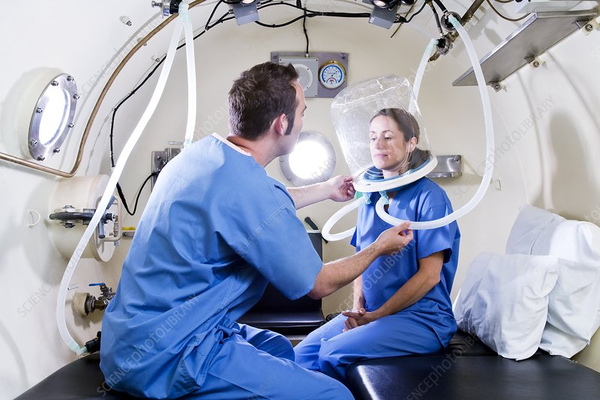
- You sit in a pressurized chamber breathing 100% oxygen.
- Pressure is typically 1.5–3 times normal atmospheric levels.
- Oxygen dissolves into the blood plasma, reaching tissues that normal breathing cannot.
- Supports tissue repair, reduces inflammation, and aids cellular-level recovery.
Oxygen Therapy vs. HBOT:
- Oxygen Therapy: Provides immediate relief for breathlessness.
- HBOT: Delivers systemic oxygenation for deeper recovery and tissue repair.
Conditions That Benefit from Oxygen Therapy
Dr. Shai Efrati, M.D., director of the Sagol Center for Hyperbaric Medicine and Research at Yitzhak Shamir Medical Center, highlights that HBOT can trigger cellular repair and stem cell mobilization, offering multiple health benefits.
1. Reduces Fatigue and Breathlessness: Helps those feeling tired, short of breath, or low on stamina due to pollution, smoke, or traffic-heavy routes. Particularly useful for women, older adults, and individuals with respiratory vulnerabilities.
2. Supports Lung and Respiratory Health: Enhances recovery from asthma, chronic bronchitis, sinus issues, COPD, post-COVID lung weakness, and smoking-related vulnerabilities. It also stabilizes oxygen levels during acute pollution-triggered episodes.
3. Reduces Inflammation: Mitigates systemic inflammation caused by airborne pollutants and oxidative stress, aiding cellular recovery and post-smog restoration.
4. Promotes Cognitive Clarity: Increases oxygen supply to the brain, improving focus, alertness, and mental clarity often affected during smog-heavy periods.
5. Enhances Cellular Healing and Tissue Repair: Accelerates recovery from oxidative stress, supports wound healing including diabetic ulcers, strengthens immunity, and promotes deeper tissue repair beyond conventional oxygen therapy.
Additional Benefits: Assists in recovery from carbon monoxide exposure and other environmental toxins, providing systemic support beyond lungs and brain.
Safety and Precautions
HBOT is safe under medical supervision, but some conditions require caution. Untreated pneumothorax, severe COPD, or active ear/sinus infections require careful screening due to pressure risks.
Patients with heart failure, severe arrhythmias, or irregular blood pressure must be monitored closely. Claustrophobia, fever, seizure disorders, or use of oxygen-sensitive medications also need attention.
Women who are pregnant, migraine sufferers, or have cardiovascular sensitivities require extra care. Children and adolescents should only undergo HBOT with strict medical clearance.
Always handle oxygen tanks safely: avoid flames, keep tanks upright, and maintain distance from heat sources.
Where to Try HBOT in Bangalore?
Wellness Garden has curated a personalised list of verified centres across Bangalore where you can safely explore oxygen therapy and Hyperbaric Oxygen Therapy (HBOT) for rejuvenation, energy support, and overall wellbeing.
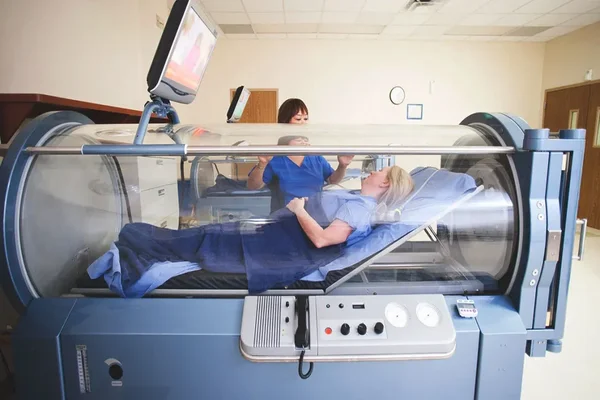
Sri Ayurveda Hospital on Kanakapura Road offers guided 30-minute HBOT sessions focused on general health and recovery in an integrative hospital setting.
Bodhsara Wellness & Salt Studio in Koramangala provides short 20-minute oxygen sessions, ideal for urban lifestyles and quick wellness support.
GVG InVivo Hospital in JP Nagar offers structured 30-minute HBOT sessions with supervised care, with packages starting from ₹4,000–₹4,500, suitable for fatigue and vitality support.
The Wellness Co. in Ashok Nagar offers longer 60-minute HBOT sessions designed for deeper recovery and ongoing wellness routines, with access across multiple city locations.
Each centre is verified and guided by trained professionals. Wellness Garden helps you choose the option that best fits your health goals, lifestyle, and comfort level.
For detailed centre profiles, session formats, and suitability guidance, explore the full HBOT listings available on the Wellness Garden website.
Holistic Integration: The Wellness Garden Approach
HBOT works best when paired with complementary wellness practices.
Breathing & Respiratory Support: Yogic breathing (pranayama) and salt therapy help expand lung capacity and clear mucus, enhancing oxygen uptake during and after sessions.
Nutrition & Anti-Inflammatory Care: A diet rich in turmeric, ginger, citrus, and other anti-inflammatory foods reduces systemic inflammation caused by pollution.
Mind-Body Practices: Meditation and gentle yoga support stress reduction, stamina, and mental clarity, complementing HBOT’s cellular repair effects.
Wellness Gardens’ Role: We guide you in choosing the right combination of therapies and connect you to verified experts and safe HBOT centers, ensuring a holistic and medically supervised approach.
Natural Ways to Support Oxygen Levels at Home
Simple daily habits can support breathing and recovery during polluted periods.
- Breathe Better: Morning pranayama and occasional eucalyptus steam help open airways and clear congestion.
- Food & Herbal Support: Ginger–tulsi tea and an anti-inflammatory diet help reduce pollution-related inflammation.
- Hydration: Drinking adequate water keeps airways moist, supports mucus clearance, and improves overall oxygen delivery.
- Clean Indoor Air: Areca palm, snake plant, and money plant help improve indoor air quality.
- Rest & Reset: Limiting late-night screen time supports deeper sleep and respiratory recovery.
Closing Thoughts: A Fresh Start for 2026
Bangalore’s winter smog may be unavoidable, but fatigue, breathlessness, and low energy don’t have to be.
Clinically supervised HBOT, safe oxygen therapy, and holistic lung-support practices help residents maintain stamina, mental clarity, and overall wellbeing during the smog season.
Take a proactive step toward better breathing—combine evidence-based therapies with mindful lifestyle habits, stay active, and keep your body energized. Navigate the smog with resilience and a fresh perspective on health.
FAQs
1. Is oxygen therapy safe?
Yes, when medically supervised. Children, older adults, and those with lung conditions need prior clearance.
2. Will this help with “pollution fatigue”?
Yes. Oxygen can improve saturation and reduce heaviness, fatigue, or brain fog from smog.
3. How long does a session last?
Simple Oxygen Therapy: 20–30 minutes. HBOT: 60–90 minutes for therapeutic benefits.
4. Is this the same as the “Oxygen Bars” in Delhi?
No. Wellness Garden lists only medical-grade, supervised centers, not recreational oxygen bars.
5. Can I do this if I have a cold?
No, for HBOT with nasal congestion or blocked ears. Simple oxygen inhalation may be safe with doctor’s approval.