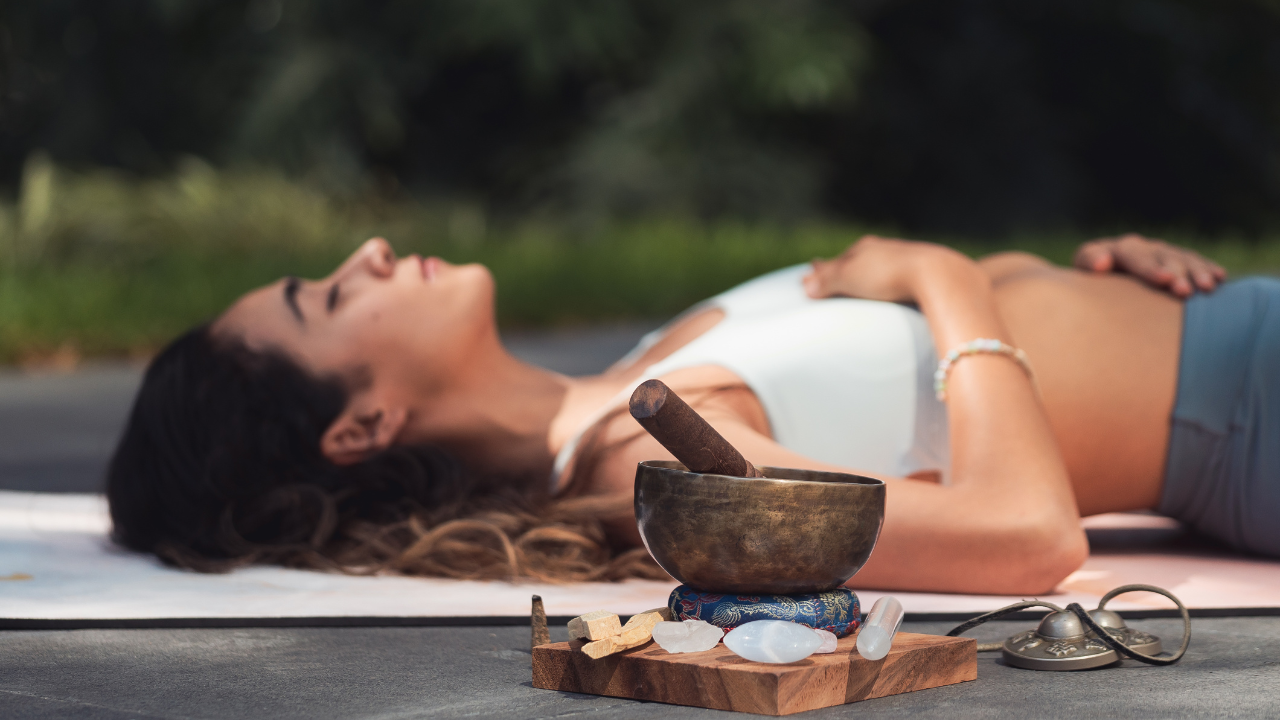
Yoga or Meditation -Cultivating Calm Awareness
If you want to live a more fulfilled life, first you should know your potential, who you are! Yoga or Meditation is the route to that knowledge.
Written by

WG
Editorial Team
Reviewed By: Dr. Aditi S. Prabhu, BNYS, Integrative Medicine Physician, Naturopathy & Yoga Doctor
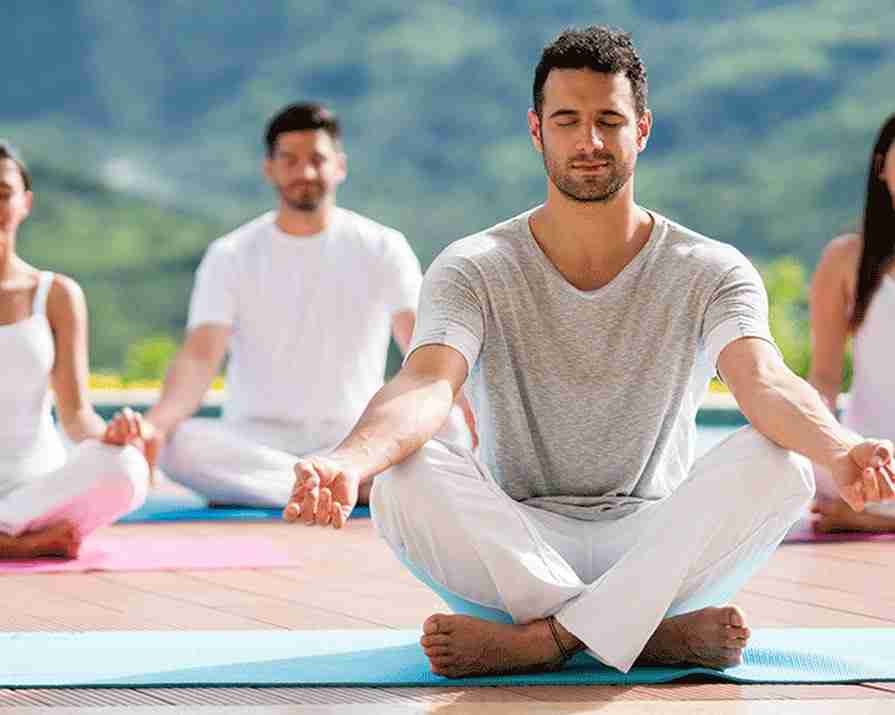
If you want to live a more fulfilled life, first you should know your potential, and who you are! Meditation is the route to that knowledge. It is the methodology of the science of awareness. Yoga or Meditation, being one form of Antaranga yoga, is given more importance in today’s world.
We all have so much on our minds with work, school, bills, children, etc. Meditation simply focuses on one thing and pushes all other thoughts out of our minds. It clears our minds and makes our tasks much easier to perform with full concentration.
What is Meditation?
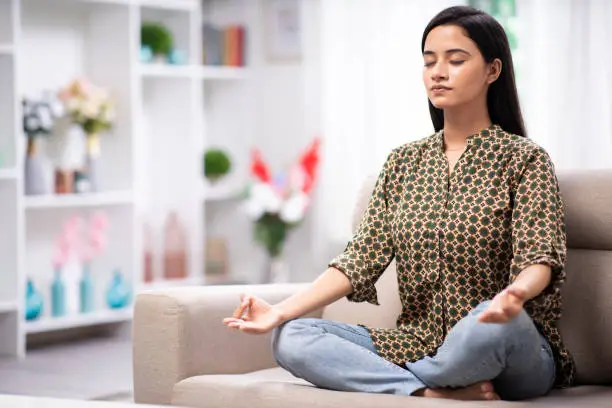
Meditation (or the meditative state) is the natural outcome of yoga and other spiritual techniques and the ultimate aim of these practices is to reach a state of complete conscious awareness, also known as bliss consciousness. This term is a complex one and even enlightened masters have not attempted to describe that state to us. Nevertheless, meditation, once practiced regularly, will manifest obvious benefits both on a purely physical level and on an intellectual, emotional, and spiritual level.
Why should we meditate?
Yoga or Meditation has long been considered an esoteric practice, far removed from the realities of the world. Nothing could be further from the truth. It is practiced to help ground us in the realities of the world. According to one of modern India’s most renowned yogis Sri Aurobindo, “Spirituality is not the flight of consciousness away from matter, but the flight of consciousness into matter”.
Effects of Meditation
- On Stressors
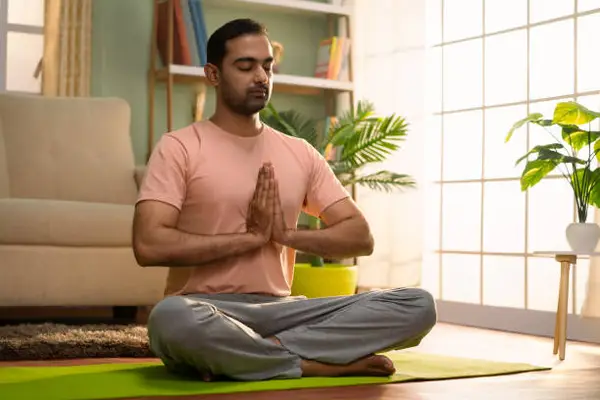
When we release mental bonds to everyday events, we also clear our subconscious. Stress greatly affects our mentality. We constantly have stress at the back of our minds whether we realize it or not. Yoga or Meditation is a way of clearing (and aligning) our conscious and subconscious, and as a result, our concentration improves, we are more focused, and we are relieved from stress making us happier individuals.
Unfortunately, this is only temporary for as long as we contain our ch’i, or energy (qi being another way of spelling it). Environmental stimuli affect our energy and while some people may be able to compose their happy-go-lucky mood for hours, others may only be able to maintain their ch’i until they step out of the room. Fortunately, just like every other ability we possess, we can improve our meditation results through practice. Also, there’s no overdose limit to yoga or meditation.
- On the Mind
Most importantly, yoga or meditation can be used to “dive” into our inner selves. Most people obtain this inner knowledge/consciousness/frequency by meditating on themselves; concentrating on nothing; and just being. This revitalizing oneness, in combination with full concentration (during and after meditating), opens up new windows of abilities and new insights of enlightenment, or instantaneous profound understanding, of self, others, or even the world. This kind of meditation is a good prerequisite for people who are involved in a lot of mental work and philosophers. Different meditations can have different effects.
Meditation is a technique for training your mind to concentrate and refocus. Relaxation and mindfulness can be achieved through meditation.
Types of Meditation
There are many different ways in which people choose to meditate of which the most popular types are listed below:
- Mindfulness meditation – This practice combines concentration with awareness and can be easily practiced alone.
- Spiritual meditation – Beneficial for those who thrive in silence and seek spiritual growth, this type of meditation can be practiced at home.
- Focused meditation – This type of meditation involves concentration using any of the five senses. It is ideal for anyone who requires additional focus in life.
- Movement meditation – An active form of meditation where movement guides you. It is good for people who find peace in action and prefer to let their minds wander.
- Mantra meditation – This type of meditation is for people who find it easier to focus on a word than on their breath. These people prefer repetition over silence.
- Transcendental meditation – This meditation is more customizable than mantra meditation as here the mantra or series of words is specific to each practitioner.
- Progressive relaxation – It is also known as body scan meditation and is aimed at reducing tension in the body and promoting relaxation. It can be used to relieve stress and unwind before bedtime.
- Loving-kindness meditation – This form of meditation is used to strengthen feelings of compassion, kindness, and acceptance towards self and others. It may be ideal for those holding feelings of anger or resentment.
- Visualization meditation – This technique focuses on enhancing feelings of relaxation, peace, and calmness. It is intended to increase focus and motivation.