Unveiling Ancient Practices of Yoga: Body, Mind, and Spirit
Yoga, the path to enlightenment, dates back to about 4000 years. A ancient yoga practice or form of solace for the restless mind, a boon for the sick, a way to remain fit and smart for the common man.
Unveiling the Ancient Practices: Body, Mind, and Spirit
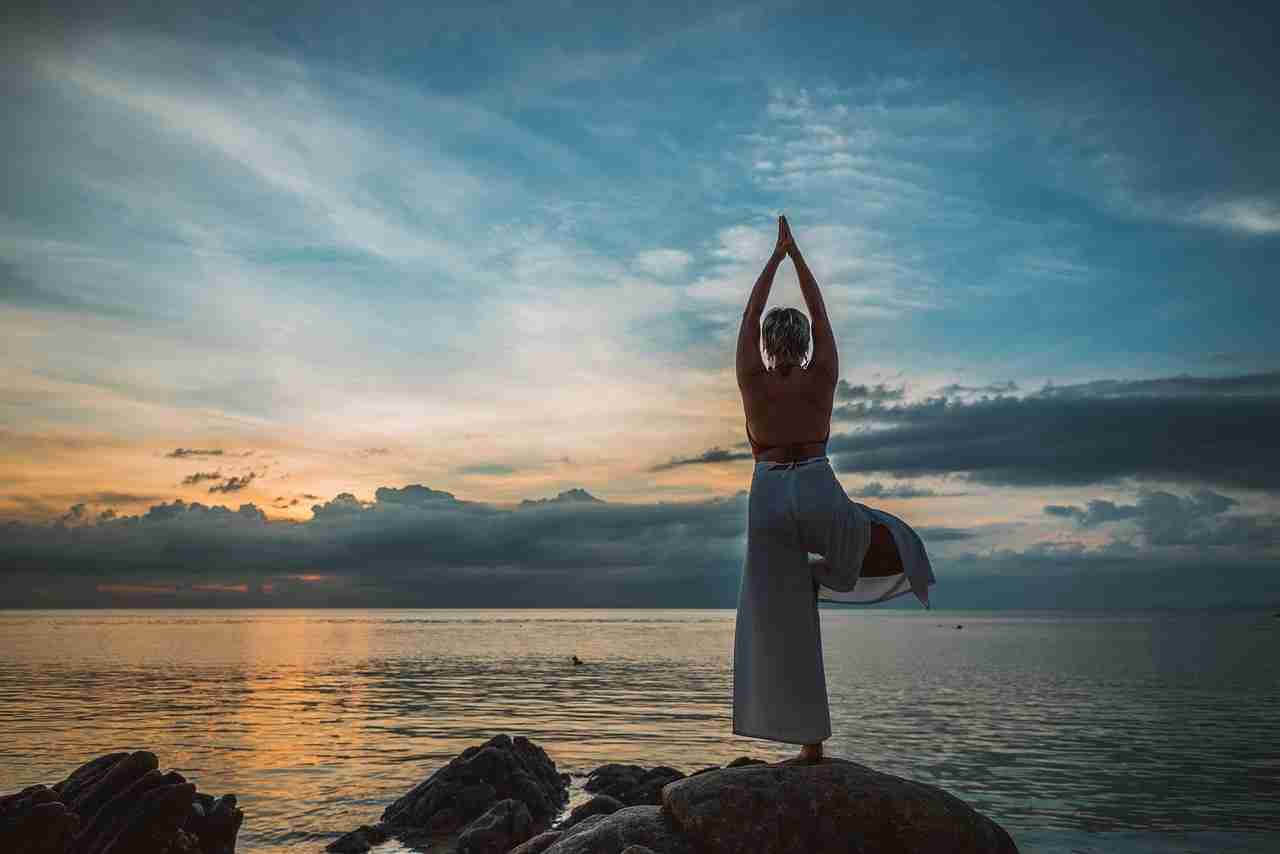
Yoga, an ancient practices on the path to enlightenment, dates back to about 4000 years. Having its origin in India, it has now become exercise cum meditation for the new millennium. Yoga is becoming popular in all parts of the world. A form of solace for the restless mind, a boon for the sick, and a way to remain fit and smart for the common man, Yoga has modifying advantages and is, therefore, becoming a part of education. Specialists use it to unfold deeper layers of consciousness in their move toward perfection.
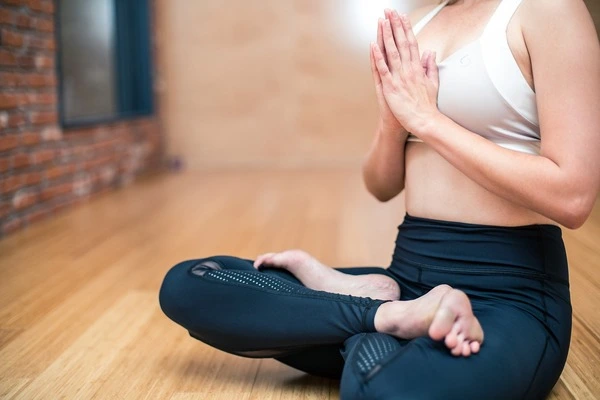
Source: Pexels.com
Background
An ancient yoga practice was very little known in the West before the 1960s. It was perhaps known by a few icons like Allen Ginsberg, Jack Kerouac, and others in the US. It was in the 1980s when great people like Swami Vivekananda spread the knowledge of Yoga, it started becoming popular as a physical system of health exercise among the Western population.
Patanjali Yoga, ancient yoga practice is one of the six systems of Indian philosophy known as Shat Darshanas. Patanjali Maharishi compiled the essential features and principles of Yoga in the form of Sutras. He says Yoga is a conscious process of gaining mastery over the mind. It can compress the process of man’s growth greatly. As Swami Vivekananda puts it, “It is a means of compressing one’s evolution into a single life or a few months or even a few hours of one’s bodily existence”. (read more… ‘Ancient manuscripts that talk about Yoga’)
Programs Wellness Garden Offer
Krishna Wellness Yoga & Cultural Centre
Energizers to
In the initial class, the Yoga expert will assess and suggest a Method that is based on your physical fitness and requirements.
In India, several classical texts and manuscripts talk about Yoga and its various components. Some of these ancient writings dated even earlier to Patanjali are Bhagavad Gita, Gheranda Samhita, Goraksha Samhita, Goraksha Shatakam, Goraksha Gita, Siva Samhita, Siva Swarodaya, Hatayoga Pradipika, Yoga Yajnavalkya Samhita, Brhadyoga Yajnavalkya Smriti, Yoga Rahasya, Yoga Ratnakara, and many others from the Vedas and the Upanishads.
The Indian scriptures are abounding with different terms for Yoga and many believe that they are different techniques but all of them lead to the same goal. The aim of Yoga is ‘Moksha’. Moksha here means liberation or freedom from suffering to reach a higher goal.
What is Yoga?
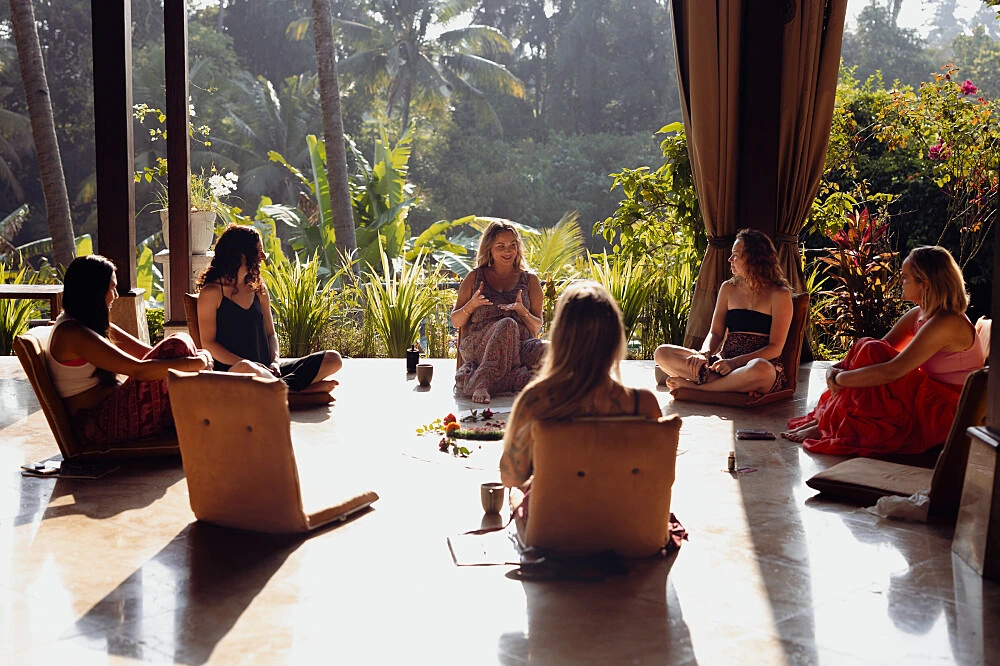
Source: Pexels.com
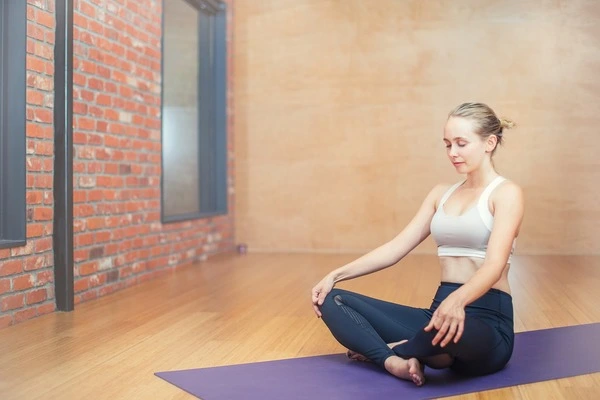
Yoga comes from the Sanskrit word ‘Yuj’ which means ‘to join’. Traditionally ‘Yuj’ is the joining of the ‘Jeevatma’ with ‘Paramatma’ – meaning individual self with that of the universal self. Yoga is an expansion of the narrow restricted egoistic personality to an all-pervasive, eternal, and blissful state of reality.
Yoga is an all-embracing way of life, a science of self-culture and mental discipline, that ensures the purgation of the ignoble in man and brings forth what is most noble in him. It is pertinent to all irrespective of caste, creed, sex, and religion. It can be beneficial to all – the good and the bad, the sick and the healthy, the believer and the non-believer, the literate and the ignorant, the young and the old. A person may begin at any age and can go on reaping its benefits.
“Yoga is difficult for the one whose mind is not subdued.” Bhagavad Gita
Yoga is not only one of the fastest-growing health practices in the world but also an essential part of spa menus across the world today. The basic aim of Yoga is to promote health and prevent diseases by experiencing union and a sense of oneness with the sell. The key to ancient yoga practice is proper breathing techniques. As we breathe fully, more oxygen intake is supplied to every cell and part of the body. This helps to maintain a healthy mind, body, and spirit.
The roots of ancient practices can be traced 5000 years back, when the ancient Hindu sages would practice Yoga to achieve enlightment. Though the origins of Yoga are as old as the Indus Valley civilization, what we practice today was derived from the translation of Sanskrit texts by Patanjali’, the Indian yogi who lived around 300 B.C. In Sanskrit, Yuja’ means to join or weld together. Just as two pieces of metal are welded together to become one, similarly, the philosophy of Yoga is to unite the consciousness (spirit) of the individual with the universal consciousness (spirit) through the regular practice of certain physical and mental exercises.
Thus, Yoga is the art of life that balances and harmonizes the body, mind, and emotions. To maintain this balance, the yogis devised an eight-fold path, also called Eight-limbed Yoga or Ashtanga Yoga. Patanjali’s writing became the basis for promoting inner strength and happiness. The Eight Limbs are Yama (The five ‘abstention’- non-violence, non-lying, non-covetousness, non-sensuality and non-possessiveness); Niyama (The five observances purity, contentment, austerity, study, and surrender to god); Asana (different seating positions used for meditation); Pranayama (control of the life force or breath); Pratyahara (withdrawal of the sense organs from external objects); Dharana (Concentration); Dhayana (Meditation); and Samadhi (the ultimate goal which merges consciousness with the object of meditation)
Benefits of Yoga
Scientists today ascertain that the intrinsic organic health of a human being is of prime importance along with the outer development of the body. The practice of Yoga has a substantial foundation in science. Yogic asanas accelerate blood circulation in the body and Pranayama abates carbon dioxide content ensuring sound health. Yoga provides all-round benefits to a human being.
To maintain the purity of blood and elimination of toxins, both outer and inner cleanliness is indispensable. Scientists prescribe sun-bath, steam-bath, shower-bath, and air-bath and to this, the Yogis include nasal cleansing (neti), stomach wash (dhouti), the depuration of the alimentary canal (basti), the purgation of the intestines, the bladder, and the sexual organs (vajroli).
Yoga, an ancient practices of exercise have a strengthening effect on the nervous system through its non-tiring physiological activities that bring about the poise of body and mind. Unlike normal workouts that concentrate more on the inflation of the muscles, Yoga takes care of every little part of the anatomy.
Yoga and meditation are a unique gift to mankind. They strengthen your body and mind providing physical power and mental peace. It helps fight diseases to provide one with a longer and healthier form of life.
End Note
Wellness Garden is your committed partner in seeking comprehensive natural and holistic therapies to address all your pain and wellness requirements. Our approach encompasses the entirety of your body, mind, and environment, integrating body, mind, and nutrition therapy and various other techniques.
Whether facing physical or mental health concerns, life hurdles, or simply aiming to enhance your overall well-being, we’re here to provide the support you need. Get in touch with us to explore the possibilities and embark on your journey towards holistic therapy and improved health.
Near you
Find Yoga & Stress & Sleep Reset sessions across verified centres in Bangalore
Need a quick escape from Bengaluru? Here are wellness retreats and nature resorts on Kanakapura Road where you can slow down, reconnect with nature and make the most of a weekend away.
Feeling anxious, emotionally drained, or overwhelmed? Find trusted sound healing experts in Bangalore with transparent pricing and personalized healing sessions.