10 Powerful Benefits of Pranic Healing for 2025 Wellness

Imagine a healing practice that doesn't involve any physical contact but taps into your body's natural ability to heal. That's the wonder of benefits of Pranic Healing! This energy-based therapy operates on the belief that our bodies possess an innate power to heal. Want to know

Written by

Wellness Garden

WG

Editorial Team

3 min Read
Share:
10 Powerful Benefits of Pranic Healing for 2025 Wellness

Pranic Healing is an energy-based wellness practice that focuses on balancing the body’s energy. This holistic approach is intended to support relaxation, emotional well-being, and a greater sense of balance.

What if your approach to well-being could include more than conventional treatments? In modern life, where stress, fatigue, and emotional burnout are common concerns, many people explore complementary wellness practices such as Pranic Healing. This energy-based practice is a gentle, touch-free therapy in which practitioners work with the body’s energy field through techniques intended to cleanse and energise it. Some people explore it as part of their personal relaxation and wellness routines.

At Wellness Garden, a digital platform connecting people with 600+ verified professionals, we help people explore complementary wellness options and connect with relevant specialists. We guide you to explore wellness specialists in Bangalore who offer support for relaxation, emotional well-being, and personal wellness goals.

Understanding Pranic Healing Treatment

Pranic Healing is a no-touch wellness practice based on the concept of prana, or life energy. Practitioners scan the energy field and use techniques intended to cleanse and energise it without physical contact. The concept of prana has similarities to ideas of life energy described in other traditions, including chi in Chinese practices and ki in Japanese practices.

Pranic Healing practitioners believe that working with the body’s energy centres, often referred to as chakras, can support a sense of balance and well-being. However, scientific evidence supporting the effectiveness of Pranic Healing for treating medical conditions remains limited. Individual experiences can vary, and the practice should not replace appropriate medical care. Some people may find sessions relaxing, while others may not notice a significant change.

History of Pranic Healing

Although the concept of prana has roots in ancient traditions, the modern system of Pranic Healing was developed more recently. In the 1980s, Filipino spiritual teacher and author Grand Master Choa Kok Sui developed a structured approach to energy healing after studying different healing traditions.

Master Choa Kok Sui’s work led to the development of a system with introductory and advanced training programmes through Pranic Healing organisations. The practice uses specific techniques that practitioners learn through structured instruction.

Today, people in different parts of the world explore Pranic Healing as a complementary wellness practice. Experiences and perceived benefits vary, and it is important to distinguish personal experiences from outcomes supported by scientific evidence.

What Does Scientific Research Say About Pranic Healing?

Pranic Healing is based on the concept of life energy. While practitioners and participants may describe positive personal experiences, scientific research is needed to establish whether the practice produces specific health benefits.

A systematic review by Zehra Gök Metin and Nur Izgü, published in Adıyaman University Journal of Health Sciences in 2022, examined research on Pranic Healing across different health-related areas. The review included randomised controlled trials, quasi-experimental studies, case reports, case series, and descriptive studies. The authors identified limitations in study design, reporting, and consistency between studies, making it difficult to draw firm conclusions about effectiveness.

A separate randomised controlled trial published in Complementary Therapies in Medicine in 2024 investigated Pranic Healing alongside medication for lower urinary tract symptoms and sleep-related concerns in men with benign prostatic hyperplasia. The study included 76 participants and compared medication alone with medication combined with Pranic Healing. Improvements were reported in both groups, with some additional improvements in the group receiving Pranic Healing.

However, a single study cannot establish that Pranic Healing independently caused the improvements. Further research 2024 is needed to confirm these findings and determine whether they can be replicated in larger and more diverse populations.

For readers interested in exploring this practice, the key distinction is between a person’s reported experience and a clinically established treatment outcome. Pranic Healing may be explored as a complementary wellness practice, but it should not replace medical diagnosis, prescribed treatment, or professional mental health support.

Top 10 Areas People Explore Through Pranic Healing

Many people are interested in natural and holistic approaches to well-being. Pranic Healing is one complementary practice that some individuals explore alongside their existing wellness routines. The following are areas people may associate with the practice, rather than established medical benefits.

Benefits of Pranic Healing

Pranic Healing and Physical Well-Being

Pranic Healing is based on the belief that working with the body’s energy field can contribute to a sense of balance. It is not an established treatment for physical ailments, and evidence for specific health benefits remains limited.

1. Relaxation and Comfort: Some people explore Pranic Healing as part of a relaxation routine. It should not be considered a substitute for medical assessment or established pain-management treatments.

2. Complementary Wellness Support: People may choose to include energy-based practices in their broader wellness routines. Recovery from illness or surgery depends on appropriate medical care and individual circumstances.

3. Supporting General Well-Being: Some individuals use Pranic Healing alongside other wellness practices while managing ongoing health concerns. It does not replace prescribed treatment for conditions such as gastrointestinal problems, joint pain, or asthma.

Emotional Well-Being with Pranic Healing

Stress and emotional challenges can affect how people experience everyday life. Some individuals explore complementary practices as part of their efforts to relax and develop greater emotional awareness.

4. Relaxation and Stress Management: Some people report feeling calmer after a Pranic Healing session. However, its effectiveness for treating anxiety, panic attacks, or other mental health conditions has not been firmly established.

5. Emotional Awareness: A session may provide an opportunity to pause, reflect, and focus on personal well-being. Individual experiences differ, and Pranic Healing should not replace evidence-based mental health support when needed.

6. Personal Relationships: Taking time for relaxation and self-reflection may help people become more aware of their feelings and interactions. Pranic Healing has not been established as a treatment for relationship difficulties.

Focus and Mental Clarity

Some people explore energy-based wellness practices as part of their broader efforts to manage stress and maintain a balanced routine. Specific improvements in concentration or cognitive performance have not been established for Pranic Healing.

7. Mindful Attention: The quiet setting of a session may offer an opportunity to pause from daily distractions and focus on personal well-being.

8. A Sense of Mental Refreshment: Some individuals describe feeling relaxed or refreshed after a session. Experiences vary, and there is insufficient evidence to conclude that Pranic Healing improves mental stamina or brain function.

Personal Reflection and Spiritual Growth

Pranic Healing may also be explored as part of a person’s personal or spiritual wellness routine. These experiences are subjective and can differ between individuals.

9. Mindful Reflection: Some people use a session as an opportunity to slow down, reflect, and become more attentive to their present experience.

10. Self-Awareness: Taking dedicated time for personal well-being may encourage reflection on emotions, daily habits, and individual wellness goals. Any perceived changes are personal experiences rather than established clinical outcomes of Pranic Healing.


Programs Wellness Garden Offer

Akshar Power Yoga Academy

Akshar Power Yoga Academy

Ease Mind &

  • Complete assessment of the physical and mental aspects of yourself and accordingly the guided session will be done.
  • Sadashivanagar, Bangalore

₹4,000/head

Know More
Ashish Yoga Fitness
Ashish Yoga Fitness

Ashish Yoga Fitness

Healing

  • Different Yoga asanas
  • Brookefield, Bangalore

₹6,300/head

Know More
Ashish Yoga Fitness
Ashish Yoga Fitness

Ashish Yoga Fitness

Spark Your

  • Yoga with partner
  • Brookefield, Bangalore

₹1,000/head

Know More
Arogyadhama Wellness Yoga & Naturopathy Clinic

Arogyadhama Wellness Yoga & Naturopathy Clinic

Detox &

  • One on one consultation with doctor.
  • Seshadripuram, Bangalore

₹500/head

Know More

Ready to book, not just read?

See all Programs

Who Might Consider Pranic Healing?

Adults interested in complementary wellness practices, relaxation, or spiritual traditions may choose to learn more about Pranic Healing. Whether someone finds the experience useful depends on their individual expectations, preferences, and circumstances.

Before booking a session, consider the following:

  • For relaxation: If you are interested in a quiet, structured wellness experience, ask the practitioner what the session involves.
  • For emotional concerns: If you are experiencing persistent anxiety, depression, or emotional distress, seek appropriate mental health support. Pranic Healing is not a substitute for professional care.
  • For physical symptoms: Consult a qualified healthcare professional to understand the cause of your symptoms and discuss appropriate treatment options.
  • For children and older adults: Suitability should be considered individually. Discuss any concerns with a qualified healthcare professional, especially when an existing condition or ongoing treatment is involved.

Pranic Healing should not be presented as a guaranteed solution for people of every age or as a treatment that works equally well for everyone.

What to Expect During a Pranic Healing Session

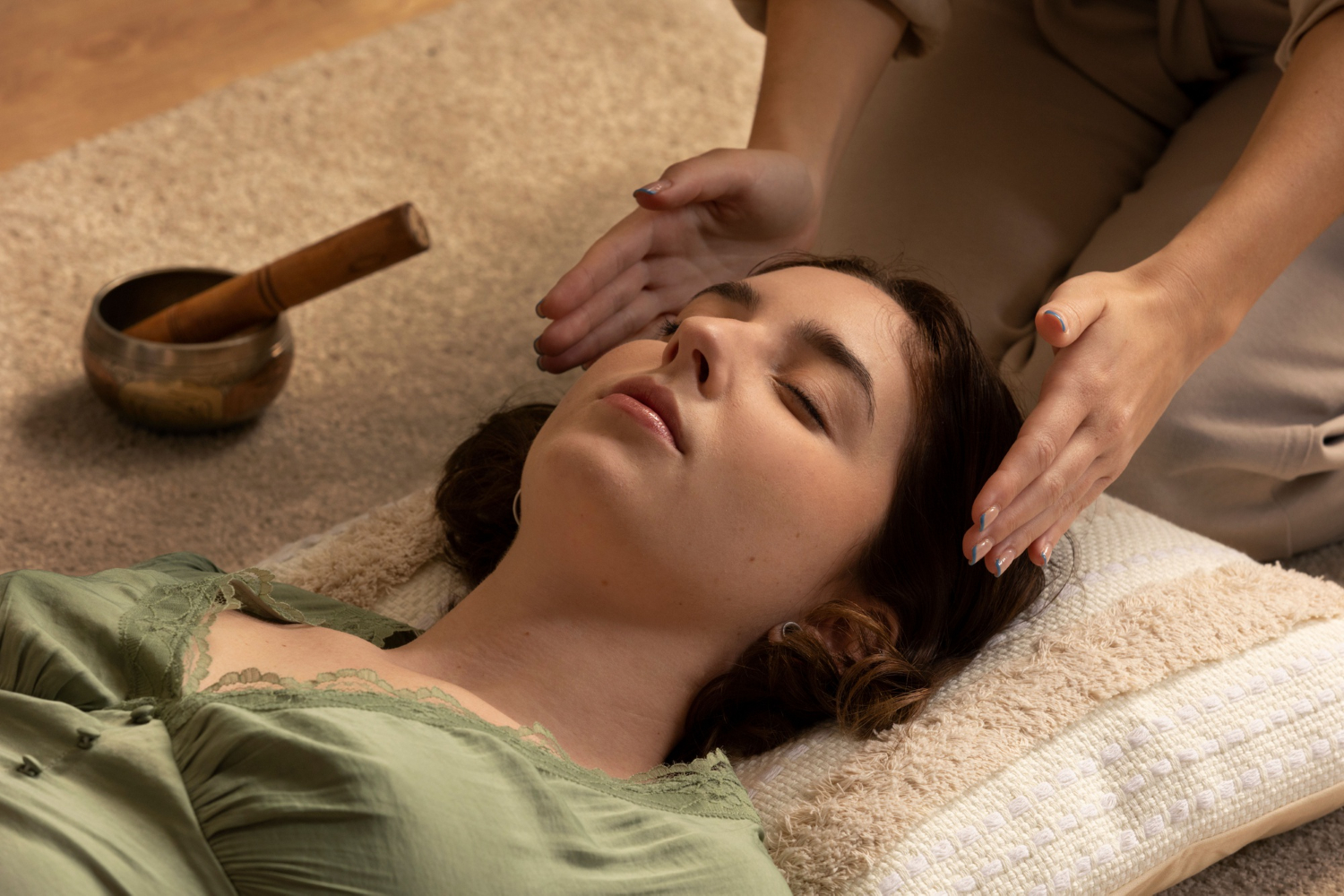
A session may begin with a conversation about your wellness goals and any concerns you would like to discuss. The practitioner may then use scanning, cleansing, and energising techniques according to their training and approach. You generally remain seated or lie down comfortably, without the practitioner needing to touch you.

Some people describe sensations such as warmth or tingling, while others notice little or no physical sensation. These experiences are not reliable indicators of healing or treatment effectiveness.

Session duration varies according to the practitioner and the service offered. Some sessions last approximately 30 to 60 minutes.

You can ask the practitioner about their training, methods, fees, and what to expect before booking. If you have a health concern, continue appropriate medical care and discuss any complementary practices with your healthcare professional.

How to Choose a Pranic Healing Practitioner in Bangalore

Choosing a practitioner involves more than finding someone who offers a session. It is important to understand their training, approach, and professional boundaries before making a decision.

Consider these points when exploring practitioners in Bangalore:

1. Ask About Training: Find out where the practitioner trained, what courses they completed, and whether they hold relevant certifications. Check the issuing organisation when appropriate.

2. Understand the Session Format: Ask whether the session is in person or remote, what techniques are used, and how long it generally lasts.

3. Confirm Fees Before Booking: Request the total session cost, expected duration, and any package or cancellation conditions in advance.

4. Discuss Your Expectations: Explain what you hope to gain from the experience and ask what the practitioner can realistically offer. Be cautious of guaranteed results or promises to cure medical conditions.

5. Check Privacy Practices: Ask how personal information shared during consultations is handled.

6. Look for Responsible Guidance: A responsible practitioner should respect your medical decisions and encourage appropriate healthcare when necessary, rather than asking you to discontinue prescribed medication.

Wellness Garden helps people explore wellness services and connect with relevant professionals. Reviewing a practitioner’s profile and asking questions before booking can help you make a more informed choice.

Pranic Healing and Everyday Self-Care

Pranic Healing, if you choose to explore it, can be considered alongside everyday habits that support general well-being. These habits have a broader role in maintaining physical and emotional health and do not depend on energy healing.

  • Maintain a regular sleep schedule: Aim for consistent bedtimes and wake-up times to support healthy sleep routines.
  • Stay physically active: Choose movement that suits your ability and preferences, such as walking, stretching, or other enjoyable activities.
  • Practise mindful breathing: Take a few minutes to breathe slowly and comfortably when you need a break from daily demands.
  • Make time for reflection: Journalling or setting aside quiet time may help you recognise your feelings and everyday stressors.
  • Maintain social connections: Spending time with supportive friends and family can contribute to emotional well-being.
  • Seek professional support when needed: Persistent physical symptoms or emotional distress deserve appropriate assessment and care.

These practices can form part of a balanced wellness routine. They should not be interpreted as evidence that Pranic Healing treats or prevents specific diseases.

Pranic Healing vs Reiki: The 5 Key Comparisons

Pranic Healing and Reiki are both practices commonly described as energy-based complementary therapies. They differ in their methods, training approaches, and underlying philosophies.

Both practices are complementary approaches, and evidence supporting their effectiveness for specific medical conditions is limited. Neither should replace appropriate medical assessment or treatment.

Are There Side Effects or Safety Concerns?

Pranic Healing is generally described as a non-invasive practice because it does not typically involve physical touch, needles, or medication. However, this does not establish that every session is entirely risk-free or that the practice is effective for treating health conditions.

Before a session, discuss any concerns with the practitioner and understand what the process involves. You should feel comfortable asking questions or stopping a session if you feel uncomfortable.

The most important safety consideration is avoiding delays in appropriate healthcare. Do not discontinue prescribed medicines, postpone medical investigations, or substitute Pranic Healing for recommended treatment. Be cautious of anyone who promises a guaranteed cure, claims to treat every condition, or advises you to avoid qualified healthcare professionals.

Take the Next Step Towards Holistic Wellness

Pranic Healing is an energy-based wellness practice that some people explore for relaxation, personal reflection, and a sense of balance. Its perceived benefits vary from person to person, and it should not be presented as a proven treatment for physical or mental health conditions. For concerns such as back pain, seek an appropriate medical assessment and follow evidence-based treatment recommendations.

At Wellness Garden, we help people explore complementary wellness services and connect with relevant professionals. With a focus on pain management, we make it easier to discover options suited to individual needs and wellness goals. If you are interested in Pranic Healing, you can explore available practitioners through Wellness Garden, ask questions about their approach, and make an informed decision about whether the practice fits into your broader wellness routine.

FAQs

1. Is Pranic Healing suitable for all ages?

Suitability varies, so consult a qualified healthcare professional when considering it for children or older adults with health concerns.

2. Which techniques are used in Pranic Healing?

Practitioners typically use scanning, cleansing, and energising techniques based on the concept of life energy.

3. How long does a Pranic Healing session last?

Some sessions last approximately 30–60 minutes, depending on the practitioner and service.

4. Can Pranic Healing be combined with other therapies?

It may be explored as a complementary practice, but consult your healthcare professional and never stop prescribed treatment.

5. What can I expect after a Pranic Healing session?

Experiences vary; some people report relaxation, while others notice no significant change.

6. Can Pranic Healing be performed remotely?

Some practitioners offer distance sessions, but scientific evidence establishing specific medical benefits from remote healing is insufficient.

7. Can Pranic Healing replace psychotherapy or counselling?

No, it should not replace evidence-based mental health care or professional support.

Near you

Find Emotional Pain sessions across verified centres in Bangalore

Start Your Journey with Wellness Garden

View All

Subscribe to our blog newsletter