Understanding Craniosacral Therapy: How Sessions Work and Support Emotional Wellness
Discover how Craniosacral Therapy (CST treatment) works to ease mental and emotional stress. Learn the benefits and see how experts guide gentle sessions for lasting relief.
Written by

WG
Editorial Team
Why do we sometimes feel tired, tense, or emotionally heavy even when nothing seems obviously wrong? The body often carries the effects of stress, life changes, and unresolved experiences longer than we realize. Over time, this hidden tension can affect sleep, energy levels, mood, and overall wellbeing.
One gentle approach gaining attention in holistic healthcare is Craniosacral Therapy, also known as Cranial Sacral Therapy (CST). This non-invasive, hands-on therapy works with subtle rhythms of the head, spine, and nervous system to release deep tension, support pain relief, restore nervous system balance, and encourage the body’s natural healing response.
Through our women-founded Wellness Garden digital platform in Bangalore, we guide you from the first step to the full step-by-step process of CST sessions and other holistic therapies. Access over 600 vetted practitioners and connect with experts to explore natural healing and support your overall wellbeing.
Understanding the Foundation of Craniosacral Therapy
Cranial sacral therapy (CST) developed from osteopathic principles in the early 20th century. William Garner Sutherland, an osteopathic physician, was among the first to study the subtle movements within the bones of the skull and their relationship to the body’s overall balance. His observations later contributed to the development of a gentle therapeutic approach that works around the head, spine, and sacrum—the triangular bone located at the base of the spine.
Over time, CST has evolved into a supportive therapy used within many holistic and rehabilitation settings. Practitioners apply light touch techniques around the skull, spinal column, and sacral area to ease tension patterns that may build up in the body through stress, injury, or prolonged physical strain.
The National Institutes of Health notes that craniosacral therapy is often considered a complementary approach, meaning it may be used alongside conventional treatments for concerns related to emotional discomfort, stress, and certain chronic conditions. Because of its gentle nature, CST is frequently incorporated into integrative wellness centers, physiotherapy clinics, and rehabilitation programs, where it supports relaxation and nervous system regulation.
What Happens During a Craniosacral Therapy Session
According to Pooja, a certified and PACT-registered Craniosacral Therapist, CST treatment are designed to support the body’s natural healing response and can be tailored for different age groups based on each individual’s physical and emotional needs.
Step 1: Initial Consultation & Assessment
The session usually begins with a one-on-one conversation where the therapist understands the individual’s concerns and general health background. The discussion may include topics such as sleep quality, stress levels, headaches, body tension, or past injuries. This step helps the practitioner identify areas where the body may be holding stress or imbalances. It also allows the individual to feel comfortable and understand how the therapy will proceed.
Step 2: Creating a Personalized Treatment Plan
Based on the consultation, the practitioner designs an approach suited to the person’s emotional and physical needs. Craniosacral therapy may be practiced by trained professionals such as craniosacral therapists, osteopaths, physiotherapists, massage therapists, or chiropractors who have experience in CST techniques. The plan focuses on gentle, gradual work that supports the body’s natural ability to release tension without forceful adjustments.
Step 3: The Craniosacral Treatment Process
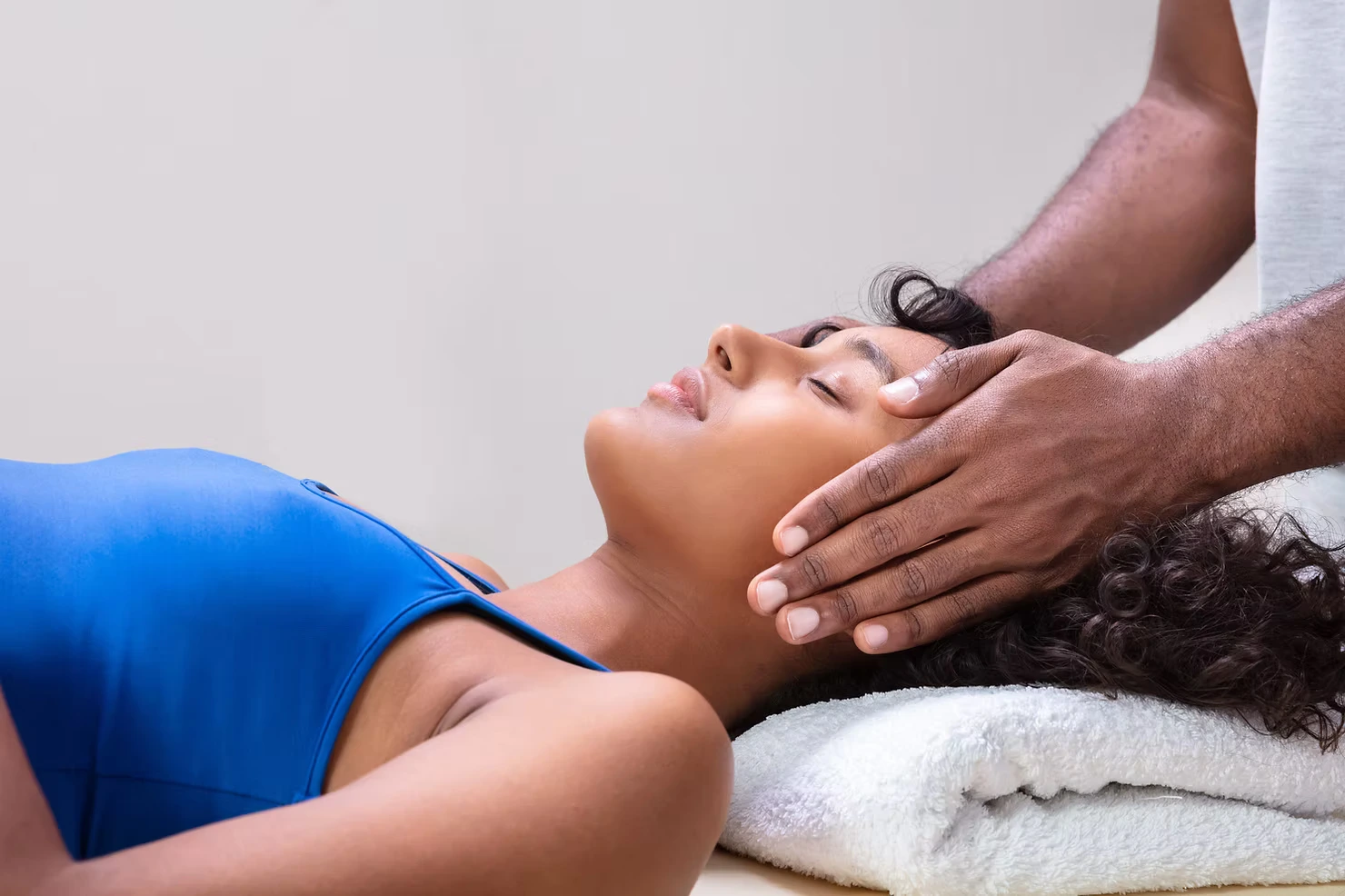
During the session, the individual usually lies comfortably on a treatment table in a quiet therapy room, remaining fully clothed. The therapist applies an extremely light touch—often less than five grams of pressure—to areas such as the head, neck, spine, or sacrum. These gentle contacts help the practitioner observe subtle rhythms within the craniosacral system.
Certain techniques, including the CV-4 (Still-Point) technique applied near the base of the skull, may be used to encourage deep relaxation and help the nervous system settle. Some practitioners follow a biodynamic craniosacral approach, which focuses on supporting the body’s natural self-regulation rather than applying direct structural correction.
Step 4: Session Duration & Frequency
A typical session lasts about 45 to 60 minutes. The number of sessions varies depending on individual needs, but many people begin with three to ten sessions, followed by occasional maintenance visits if required. Allowing time between sessions helps the body and nervous system integrate the changes gradually.
Step 5: Follow-Up & Long-Term Support
Follow-up sessions help the practitioner observe how the body and emotional state respond to therapy over time. Many individuals report improvements in relaxation, emotional balance, sleep quality, and overall well-being after several sessions. As progress continues, the therapist may gently adjust the approach to support long-term balance and comfort.
Safety Note
According to information referenced by the National Institutes of Health, Craniosacral Therapy is generally considered safe and carries a low risk of side effects. Some people may occasionally experience mild dizziness or temporary discomfort after a session.
However, CST should not replace necessary conventional medical treatment, particularly for severe neurological or mental health conditions such as major depression, severe trauma-related disorders, epilepsy, or serious brain and spinal injuries. Individuals with conditions like recent head trauma, brain aneurysm, stroke, or spinal cord injury should consult a qualified healthcare professional before beginning therapy.