Ultraviolet Light Therapy for Treating Disorders
Ever pondered the profound impact of light on your mood and brain? Enter ultraviolet light therapy, also known as phototherapy, a medical treatment harnessing natural or artificial light to enhance health. Intrigued? Dive deeper to uncover its transformative potential.
Written by
Reviewed by



Dr. Arvind Lokare, Dr. Krishnan Narayana Pisharody, Dr. Rudresh
Integrative Physician · Spine & Pain
Ultraviolet Light Therapy for Treating Disorders
Light therapy, also referred to as phototherapy or ultraviolet light therapy, harnesses the potent influence of light on various brain functions. Backed by clinical evidence, it has shown promise in treating conditions like depression, cognitive impairment, chronic pain, and sleep disorders.
Alterations in lighting conditions can profoundly impact physiological and behavioral functions, including mood, cognition, and circadian rhythm. For individuals, light therapy offers relief from depression, enhances cognitive abilities, and alleviates pain symptoms.
Introduction of ultraviolet Light Therapy
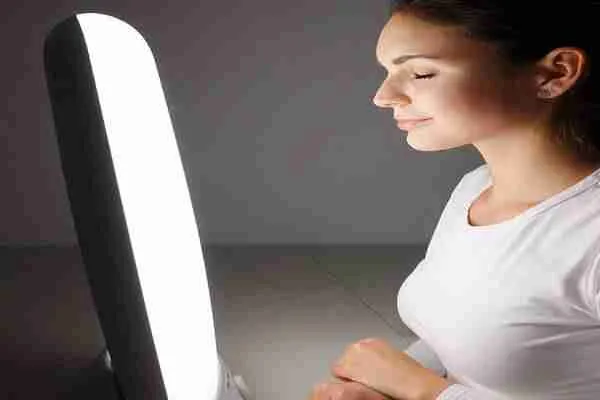
Several different alternative therapies are used in the treatment of psychological disorders. One of the effective therapies is Light Therapy, also known as Bright therapy or Phototherapy, during which an individual is advised to sit or work near a light therapy box. The light given off by the box mimics the natural outdoor light which has been found effective in treating Major Depressive Disorders, Seasonal Affective Disorders (SAD), Sleep Disorders, etc. In this article, you will learn more about the principle behind light therapy and its many benefits.
In a recent report, for emotional wellness, natural sunlight is the most beneficial. However, some seasons bring longer nights and shorter days,” explains Michele Leno, PhD, LP, a licensed psychologist and the founder of Detroit, Michigan’s DML Psychological Services, PLLC.
According to Leno, ” ultraviolet light therapy is the next ideal thing for some people.” “A light therapy light up can enhance mood and energy, even though it might not treat depression or remove the need for therapy.”
The history of Light Therapy
Light therapy, narrow band ultraviolet light therapy, rooted in ancient practices like heliotherapy, evolved into modern phototherapy in the late 19th century. Pioneered by figures like Niels Finsen and John Harvey Kellogg, it gained recognition for treating various conditions, including tuberculosis and skin ailments. However, misuse led to restrictions in the 1930s. Since then, it has seen a resurgence, expanding into diverse medical fields, from dermatology to oncology, offering promising avenues in supportive cancer care and neurological disorders. Despite past setbacks, modern techniques are reigniting interest in light therapy.
How does Light Therapy work?
Research indicates that insufficient exposure to sunlight can contribute to Major Depressive Disorders and Seasonal Affective Disorders, particularly prevalent during the fall and winter seasons with reduced sunlight. Narrow band ultraviolet light therapy offers a solution to this issue. During light therapy sessions, individuals sit near a light box emitting strong light, typically ranging between 2,500 to 10,000 lux. Lux is the unit of measurement for light intensity.
A ultraviolet light therapy box replicates natural outdoor light. It’s believed that this light stimulates a chemical change in the brain, alleviating mood and mitigating symptoms of Seasonal Affective Disorder (SAD), such as fatigue and excessive sleepiness.
Ideally, a light box should:
- Provide exposure to 10,000 lux of light.
- Emit minimal UV light.