Top Benefits of Traditional Indian Foods for a Balanced Diet and Wellness
Do you hunger for a nutritious diet that tastes great? Look no further than traditional Indian foods! Learn how to properly utilize the power of spices, lentils, and traditional wisdom to craft a well-balanced diet that you will love and that your body will embrace.
Written by

WG
Editorial Team
Reviewed By: Dr. Geetha Kamath, BAMS
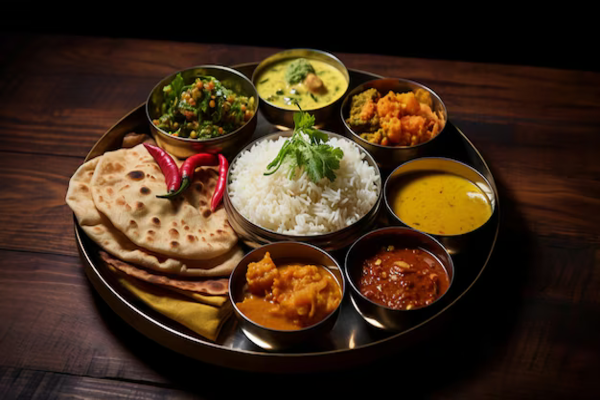
Want to know how to nourish your body while caring for Mother Earth? Look no further than traditional Indian food. For centuries, Indian meals have been guided by balance, sustainability, and respect for nature — creating an Indian balanced diet that the modern world needs more than ever.
As the world faces hunger, malnutrition, and lifestyle diseases, many turn to trend-driven diets — keto, low-carb, intermittent fasting — which promise quick results but rarely deliver lasting health. In contrast, traditional Indian food celebrates local produce, whole grains, spices, and mindful cooking — a time-tested system that sustains both body and planet.
At Wellness Garden, a digital Bangalore-based platform, connects you with experts who design personalised plans using traditional Indian food. Rooted in Ayurveda and holistic therapies, these plans help you achieve weight, hormonal, and long-term wellness goals naturally.
Traditional Indian Diets: Ayurveda, Diversity & Plant-Based Wisdom
With global health challenges on the rise, studies— show that nearly 70% of Indians still follow traditional food habits, not out of nostalgia, but for their proven nutritional wisdom. These diets enhance digestion, hormone balance, energy levels, and long-term vitality, making the Indian balanced diet a simple and sustainable way to stay healthy.
Ayurvedic Wisdom for You
Ayurveda guides how foods influence your body and mind. By considering your dosha — vata, pitta, or kapha — meals can be selected and prepared to keep you balanced, energetic, and well. This means the principles behind traditional Indian food are naturally aligned with your overall well-being.
Diversity and Balance
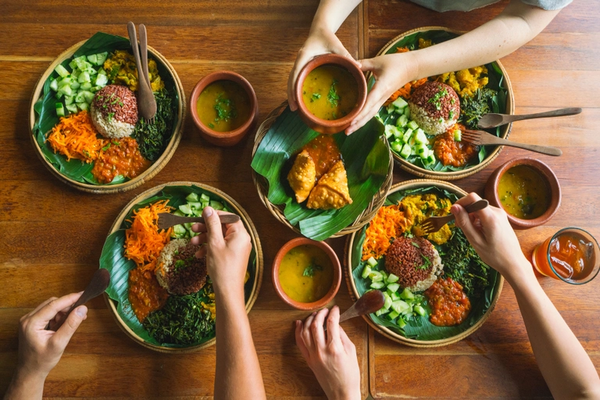
A traditional Indian diet ensures nutrients from all food groups by including six tastes in every meal: sweet, bitter, spicy, astringent, salty, and sour. Regional staples vary — rice in the South, wheat in the North, millet in the West — combined with fresh vegetables, legumes, whole grains, and spices to provide essential vitamins, minerals, and antioxidants. Herbs like turmeric, cumin, and ginger enrich flavor while aiding digestion, immunity, and inflammation control. As nutrition expert Rujuta Diwekar highlights, returning to local, seasonal, traditional Indian food is a sustainable and scientifically supported way to maintain overall health.
Plant-Based Core & Sustainability
Traditional Indian meals are mostly plant-based, with lentils, chickpeas, beans, and seasonal vegetables forming the bulk of daily intake. Vegetarian practices make these diets environmentally friendly. In today’s era of climate challenges, choosing plant-rich, traditional Indian foods reduces ecological impact while promoting lasting wellness.
Top 7 Benefits of Traditional Indian Diets
Adopting a traditional Indian food approach is more than just eating healthy — it naturally prevents common lifestyle issues, balances your body, and supports long-term wellness. Here are the key benefits:
- High in Dietary Fiber
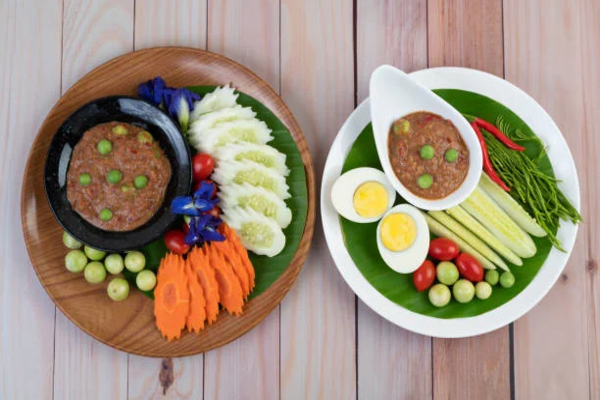
Whole grains, lentils, beans, and vegetables provide fiber to support smooth digestion, maintain a healthy gut, and prevent issues like constipation, bloating, and IBS.
- Supports Heart Health
Legumes, nuts, and spices like turmeric and garlic help regulate cholesterol and blood pressure, reducing the risk of heart disease, hypertension, and stroke.
- Boosts Immunity
A combination of fresh vegetables, fruits, herbs, and spices strengthens the immune system, helping the body naturally fight infections, inflammation, and seasonal illnesses like flu or respiratory infections.
- Balances Hormones Naturally
Ayurveda-guided food choices support hormonal regulation, menstrual health, and reproductive wellness. They are beneficial for PCOS, thyroid imbalances, and menopause-related changes.
- Provides Complete Nutrition
Traditional meals combine proteins, healthy fats, complex carbs, vitamins, and minerals — addressing deficiencies often caused by fad diets like keto or extreme low-carb plans.
- Preventing Lifestyle-Related Diseases
By focusing on whole, minimally processed foods, traditional Indian diets help reduce the risk of obesity, diabetes, metabolic syndrome, and fatty liver disease.
- Eco-Friendly and Sustainable
Plant-based staples and locally sourced seasonal foods make this balanced indian diet environmentally conscious while promoting mindful eating habits.