The Complete Guide to Cryotherapy
Imagine entering a room with a temperature so low it might fracture an automobile tire—nearly -200°C. Although this seems like something out of a science fiction movie, whole-body cryotherapy is a genuine thing that is becoming more and more popular due to its possible health adv
Written by
Reviewed by



Dr. Arvind Lokare, Dr. Krishnan Narayana Pisharody, Dr. Rudresh
Integrative Physician · Spine & Pain
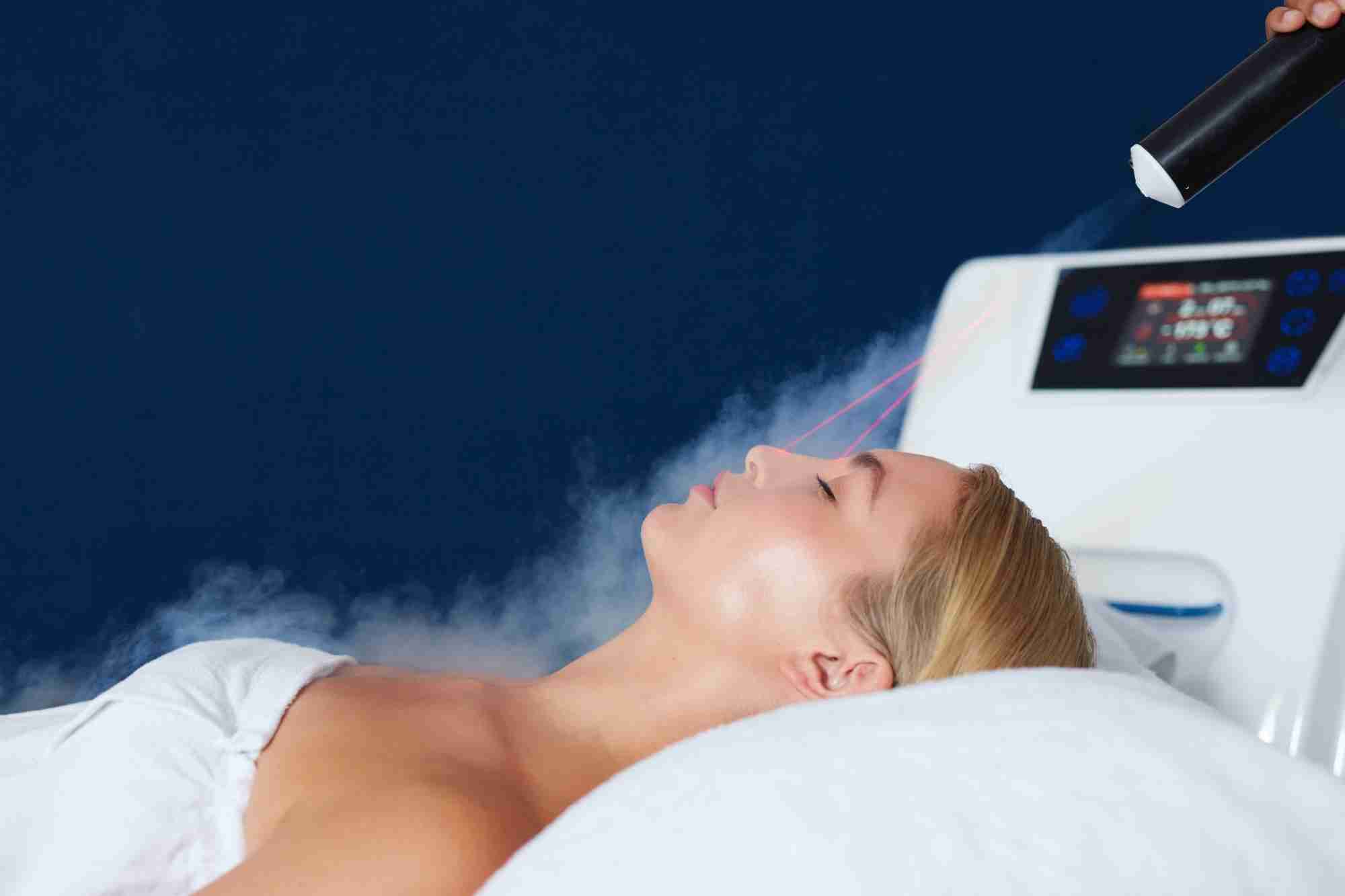
The Complete Guide to Cryotherapy
Reviewed By: Dr. Irfana Akther, MBBS, MAHM (UK), NMD
Contemporary medicine has shown a great deal of interest in cryotherapy, also popularly known as ice treatment or ice bath therapy, due to its potential health and medical benefits.
This inventive approach uses the cooling characteristics of cold settings to help heal and recover from a variety of illnesses. Let’s investigate the fascinating applications of cryotherapy, its significance, its usage, objectives, before and after a treatment session, advantages, possible side effects, required preparations, and an overview of this transformational therapy are all discussed in this article.
What precisely is Cryotherapy?
- Ice packs: Using ice cubes bundled in a towel and applied directly to the affected area is the most well-known and convenient treatment.
- Cold gel packs: They function similarly to ice packs but are more flexible and comfortable to use.
- Immersion in cold water: A limb or other body part submerged for a predetermined period in a bath of cold water.
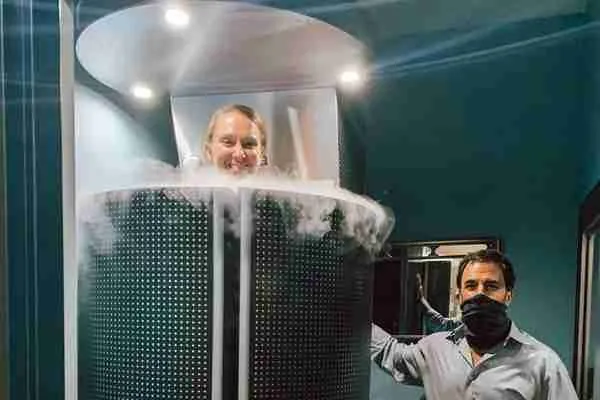
- Cryochambers: In certain therapeutic scenarios, whole-body cryotherapy chambers expose patients to extremely low temperatures for brief intervals of time.