Thai Massage in Bangalore: Soothing Neck & Shoulder Pain with Full-Body Relaxation
Discover the authentic Thai massage experience in Bangalore—loosen tight muscles and fully rejuvenate your body in just a few relaxing sessions.
Written by

WG
Editorial Team

Reviewed By: Dr. Ravneet Grewal, CAPT
Massage comes in many forms, but Thai massage in Bangalore stands out as one of the most renowned practices worldwide. Unlike passive treatments, it combines gentle stretching, yoga-like movements, and targeted pressure to release muscle tension—helping you manage stress and ease tension in your daily life.
At Wellness Garden, a Bangalore-based digital platform for natural healing, we connect you with expert practitioners, offering both online guidance and nearby offline sessions, so you can enjoy the full physical and mental benefits of this ancient practice.

Thai Massage in Bangalore: Relieve Shoulder & Back Stiffness Naturally
Frozen shoulder, neck stiffness, and upper-back tension are among the most common issues today—often caused by long desk hours, excessive screen use, or sports-related strain. Thai massage, or Nuad Bo-Rarn (“ancient massage”), offers a natural and time-tested solution. With origins in India during Buddha’s time and refined over 2,500 years in Thailand by Shivago Komarpaj—the revered “Father Doctor” of Asia—this therapy blends acupressure, deep tissue pressure, assisted stretching, and yoga-like postures to restore mobility and release tightness.
Unlike a spa massage, Thai massage is movement-based and deeply therapeutic. Therapists use rhythmic compressions and stretches to correct posture, improve flexibility, and ease stiffness—often bringing relief within 2–4 weeks. Unlike oil-based massages such as Ayurveda’s Abhyanga or Swedish massage, Thai massage is performed fully clothed and focuses on functional change rather than relaxation alone. Often called “Thai Yoga Massage” or the “lazy person’s yoga,” it works on energy lines, fascia, muscles, and joints—making it especially effective for frozen shoulders and chronic stiffness.
What makes Thai massage in Bangalore unique is its dynamic approach. Therapists use not only their hands, but also elbows, knees, and feet to apply pressure and create assisted stretches. The experience feels like a fusion of yoga and physiotherapy—energizing yet deeply restorative.
When practiced regularly—especially alongside yoga, physiotherapy, or mindfulness—Thai massage supports faster recovery, better posture, and long-term prevention of recurring stiffness. Its revival in the 1980s brought it global recognition, with modern practitioners like Wassa Lakkham refining techniques to combine deep tissue work with dynamic stretching for lasting relief.
As part of holistic wellness programs, Thai massage beautifully complements deep tissue pressure, muscle and joint stretching, Ayurveda therapies. In Bangalore, many are turning to reputed Thai massage spas as a natural choice for recovery, relaxation, and balance—helping both women and men find freedom from frozen shoulder and upper-body tension.
How Thai Massage Works on Neck, Shoulder & Upper Back Pain
Thai massage isn’t a one-size-fits-all therapy. Every session is carefully tailored to your health needs, posture habits, and lifestyle. Here’s what to expect step by step:
1. Consultation & Pain Mapping
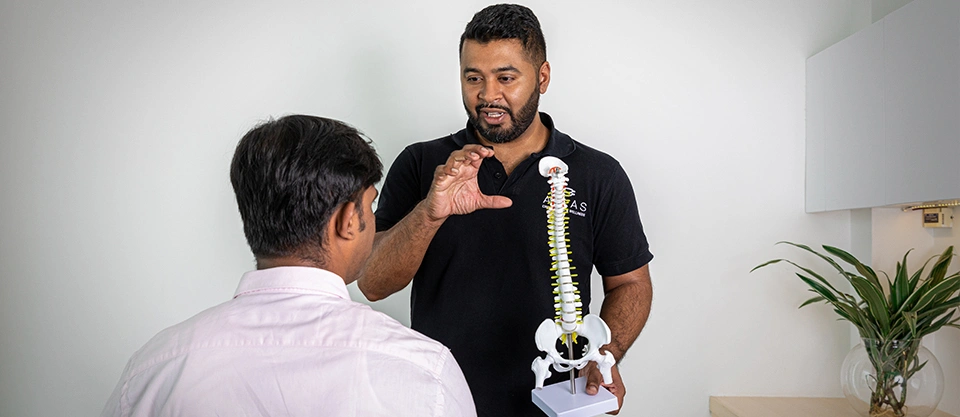
Each Thai massage session begins with a quick consultation where the therapist asks about your lifestyle, posture habits, pain history, and areas of stiffness. This step is crucial because neck and shoulder pain can come from different sources—desk work, stress, or even poor sleeping positions. A pain map is often created to identify exact zones of tension, ensuring that the treatment is personalized rather than generic.
2. Acupressure Along Sen Energy Lines
Thai massage relies on Sen energy lines, similar to acupuncture meridians, to release tension and restore balance. The therapist applies steady pressure using thumbs, elbows, or forearms on specific points along these lines. Based on your age, metabolism, mobility, and goals, the therapist adjusts the intensity of stretches and the pressure applied. This helps to unblock stagnant energy, improve circulation, and relax tight muscles in the neck and upper back. For people suffering from frozen shoulders or repetitive strain, this acupressure technique often brings immediate relief.
3. Assisted Yoga-Like Stretches
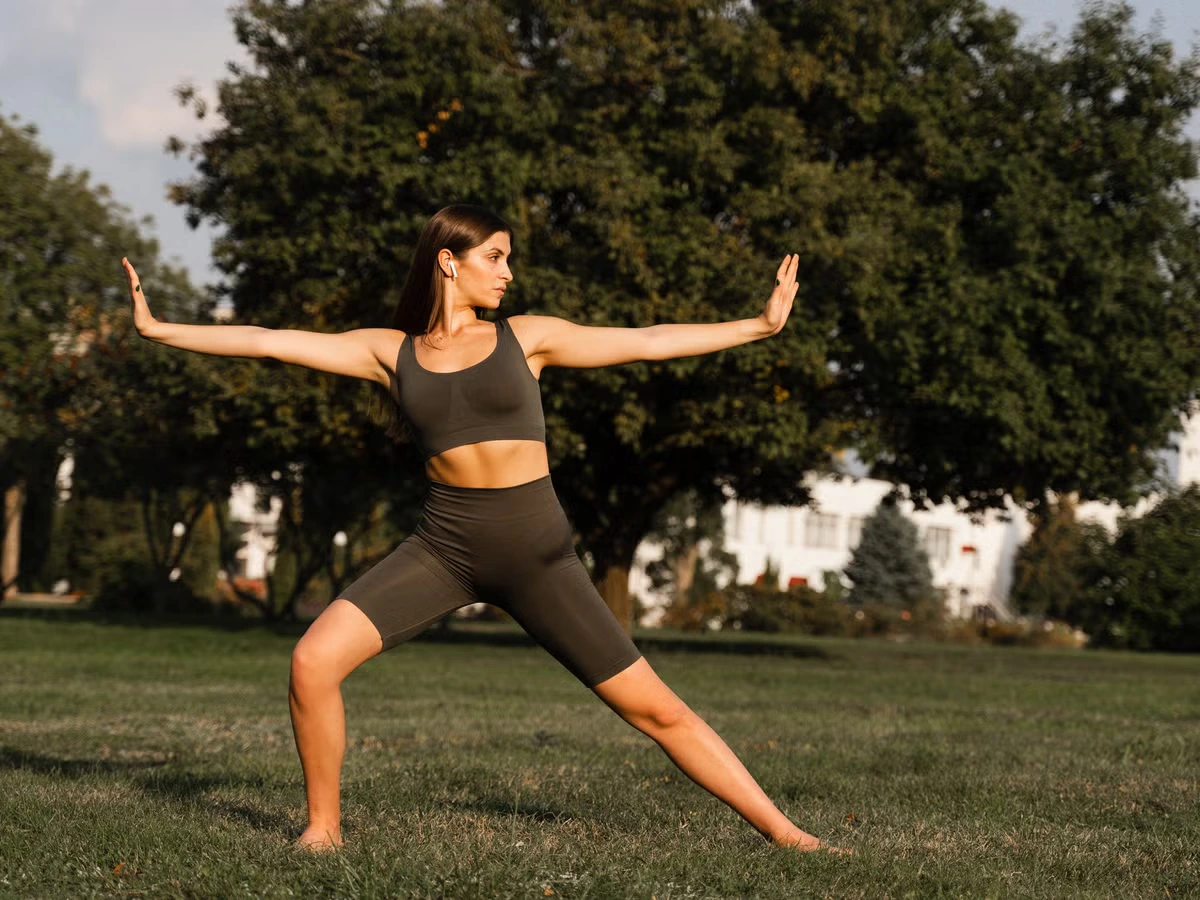
One of the hallmarks of Thai massage is the use of assisted stretches, where the therapist gently moves your body into yoga-like postures. These movements lengthen tight muscles, open up stiff joints, and create more space in the neck and shoulders. For office workers or those with sedentary lifestyles, these stretches counteract the effects of slouching and improve spinal alignment, making daily movement smoother and less painful.
4. Use of Tools & Enhancements
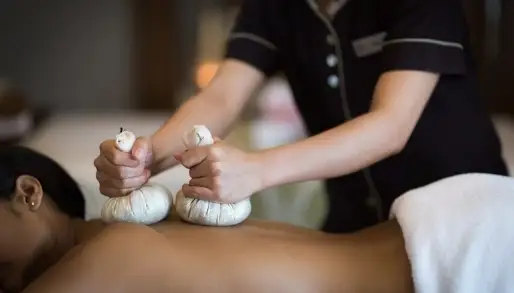
Thai massage goes beyond hands-on techniques by incorporating traditional tools to enhance its benefits. A futon (Thai massage mat) ensures proper support and safe alignment of the spine and joints, while bolsters provide extra support for the neck and shoulders during stretches. Therapists may use a herbal compress (Luk Pra Kob)—a warm pouch filled with herbs—to improve blood circulation and reduce inflammation. Thai balms are sometimes applied to provide localized warmth. Advanced practitioners may also incorporate Tok Sen (wooden massage tools such as Kong, Rosewood reflexology tools, wooden rollers, and hand tools) and Pha Khaw Ma, a versatile Thai cloth that helps release deep-seated tension and serves multiple purposes during the massage.
5. Session Duration & Setup
Sessions typically last between 30 to 90 minutes, depending on your needs and comfort level. Shorter sessions are ideal for beginners or those targeting specific areas, while longer treatments provide full-body benefits. Unlike oil massages, Thai massage is performed fully clothed, with no creams or oils used. Clients are advised to wear loose, comfortable clothing that allows free movement. For pain relief, 1–2 weekly sessions are recommended at first, followed by maintenance sessions every 2–4 weeks.
6. Relaxation, Aftercare & Hydration
After a session, clients often report immediate relief, improved mobility, and a sense of calm. To extend the benefits, therapists may guide simple breathing techniques and stretches you can do at home. Hydration plays a key role after Thai massage, as it helps flush toxins released during treatment and supports better muscle recovery. Taking time to rest after the session allows the body to fully integrate the release of tension.
7. Progress Tracking & Long-Term Results
Progress is not measured by one session alone but through consistent improvements. Therapists track changes in range of motion, posture, and pain levels across multiple visits. Pressure and stretches are adjusted as you improve, ensuring sustainable results. Over time, regular Thai massage helps prevent recurring stiffness, improves body alignment, and supports overall upper-body wellness.