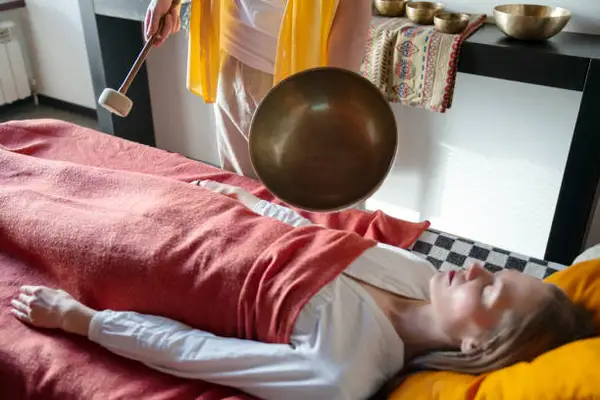
How Sound & Music Therapy for Mental Health Aid Trauma Recovery
Did you have the experience of a song's strong impact on your emotions that made you cry or a catchy melody that instantly made you feel better? Of course, music has the ability to bring out strong emotions, but do you also know that it may be an effective therapeutic sounds tool
Written by

WG
Editorial Team
Reviewed By: Ms. Ami Sheth Doshi
There’s no denying that music holds a deep psychological influence. Research reveals it engages brain regions linked to emotion, memory, and sensory pathways rhythms.
Trauma leaves deep-rooted effects—emotional, mental, and physical. While approaches like cognitive behavioral therapy (CBT) and medication remain widely used, growing research shows that sound and music can offer powerful healing potential. As music therapist Katie Down shared in a Pitchfork article, nearly every individual experiences some form of trauma during their lifetime.
At Wellness Garden, a Bangalore-based digital platform, we connect you with certified experts who specialise in sound-based therapies. Through music therapy for mental health, these practitioners create personalized paths to emotional recovery.
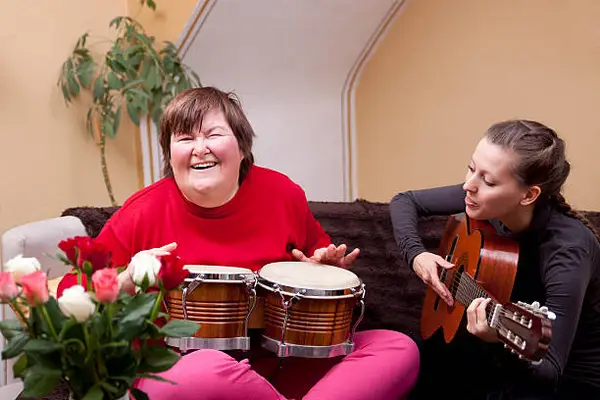
Music Therapy for Mental Health: The Role of Therapeutic Sound
The American Music Therapy Association (AMTA) reveals, music therapy is a clinical, evidence-based practice that uses musical techniques within a therapeutic relationship to achieve targeted healing outcomes.Therapeutic sound refers to the intentional use of rhythm, tone, and sound waves to promote emotional and physical healing. Grounded in neuroscience, this approach shows how music influences brain activity and bodily rhythms, helping to restore balance and calm. Studies reveal that engaging the nervous system through guided sound experiences can ease trauma, elevate mood, and enhance clarity.
According to the World Federation of Music Therapy, elements like tempo, pitch, tone quality, and harmony support emotional expression, gentle movement, and a sense of peace. Various approaches—including Analytical Music Therapy, Enzenzohn Method, Cognitive-Behavioral Music Therapy, Nordoff-Robbins, and Community Music Therapy—apply these principles uniquely, tailoring sessions to address individual mental health needs.
Together, these methods show that music therapy for mental health goes beyond relaxation—it’s a transformative, clinical tool led by trained professionals.
The Healing Power of Sound in Trauma
The idea of using music and sound in therapy is not new. Music has long been applied as a form of healing in various cultures. This technique is supported by present-day studies, which shows how music can influence brain activity and foster neuroplasticity, the brain’s capacity to transform itself through the formation of new neural connections. Because neuroplasticity allows the brain to recover from the fluctuations brought on by traumatic conditions, it is essential for trauma rehabilitation.
Neuroplasticity and The art of music
According to research published in 2017, music can greatly enhance neuroplasticity, even when linked with artistic interests like dancing, painting, video games, and physical activity. Investing in such tasks stimulates the brain, promoting the development of new neural connections that may enhance mental wellness in general, emotional control, and cognitive abilities. In specific, music therapy has been proven to elevate mood, boost memory and learning of new materials, and raise the ability to concentrate.