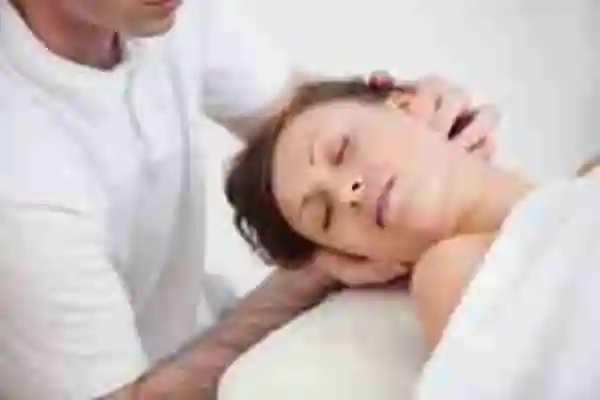
Rhythm and Touch: Cranio-Sacral Therapy
Craniosacral therapy (CST) is an effective modality for those who are chronically stressed or in pain, grieving, burned out, or dealing with other imbalances that leave us threadbare and depleted. It’s gentle and deeply restorative. To know more about CST continue to read
Written by
Reviewed by


Dr. Arvind Lokare, Dr. Krishnan Narayana Pisharody, Dr. Rudresh
Integrative Physician · Spine & Pain
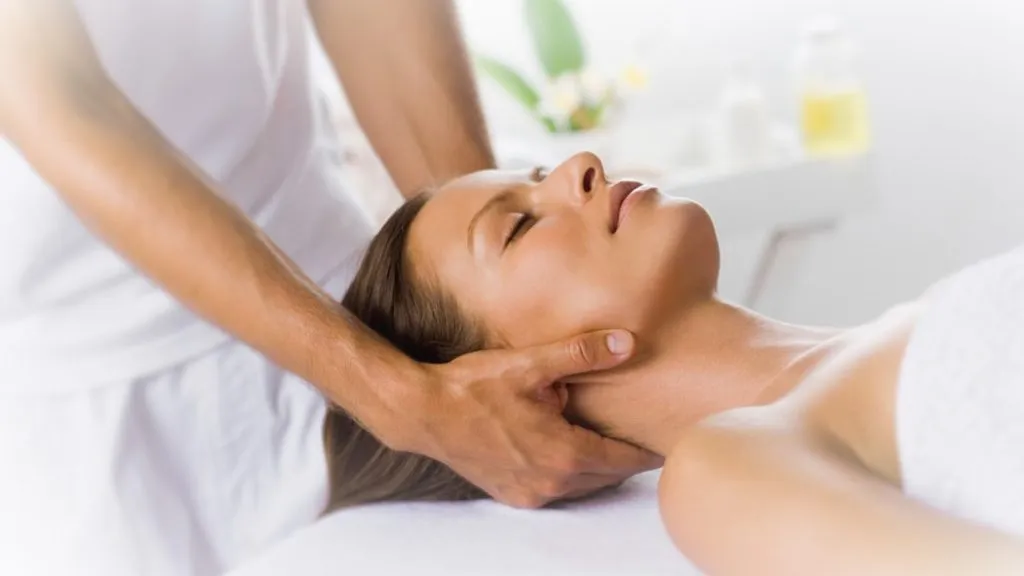
Rhythm and Touch: Cranio-Sacral Therapy
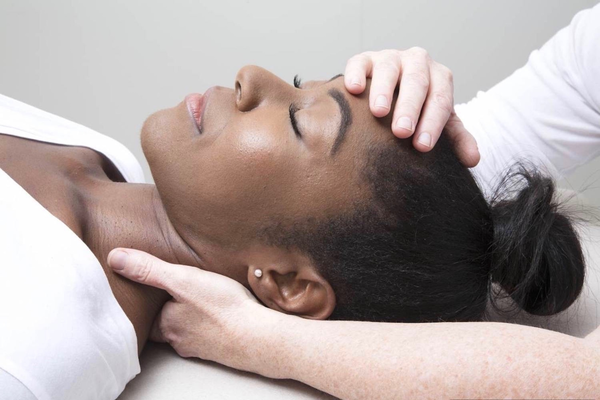
Cranio-sacral Therapy (CST) is a gentle yet powerful hands-on healing approach that targets the skull, spine, and pelvis to induce relaxation and healing.
Grounded in the understanding of the cerebrospinal fluid’s rhythm, CST seeks to optimize the central nervous system’s function, alleviate pain and stress, and facilitate the body’s innate healing mechanisms.
Introduction of Cranio-Sacral Therapy
Cranio-sacral therapy (CST) is a gentle, non-invasive, hands-on healing modality that focuses on the manipulation of the skull, spine, and pelvis to promote healing and relaxation throughout the body.
It is based on the concept that the cerebrospinal fluid (CSF), which surrounds and protects the brain and spinal cord, has a rhythm that can be detected and manipulated. The therapy aims to improve the functioning of the central nervous system, reduce pain and stress, and enhance the body’s natural healing processes.
An American osteopath Dr. William Garner Sutherland devised cranial osteopathy almost a century ago. Cranio-sacral therapy (CST) was developed in the 1970s by John Upledger, a doctor of osteopathy, as an offshoot of cranial osteopathy into craniosacral therapy (CST).
Dr. William G. Sutherland observed that the bones of the skull are joined together in a zig-zag pattern, like the gills of a fish. He had an astonishing, ground-breaking realization that maybe the skull bones are not completely fused as is widely believed. Possibly, there is some scope for minute movements. Even he thought the idea was ludicrous, and developed the techniques of CST while he tried to prove himself wrong!
As he refined his theories, he found out that not just the cranial bones, but every muscle, bone, and organ in the body has a particular type of movement to some sort of rhythm.
He recognized a connection between the rhythmic movement of the fluid and membranes around the brain and spinal cord, as well as a corresponding rhythmic movement of the sacrum, with health and well-being.
In health, these movements are unrestricted. When some injury or disease affects some area, the movement is compromised.
A Cranio-sacral Therapist is trained to feel this dance of the various systems of the body through “thinking, feeling fingers” – and when they perceive it to be restricted, to gently nudge them back into synchronicity. The body then reorients itself towards health.
The cranial system is a semi-closed, hydraulic system comprising the spine, the skull, its cranial sutures, diaphragms, fascia of the body, and the cerebral spinal fluid (CSF) which flows through the spinal cord. There are three approaches to craniosacral therapy that have evolved since Dr. Sutherland first began investigating the cranial system. They are called the mechanical, functional, and biodynamic models.
Conditions that can be treated using CST
CST has been used to treat a variety of conditions, both physical and psychological.
The Upledger Institute lists the following disorders as suitable for treatment with CST:
- Alzheimer’s disease
- Relieve chronic back pain
- Treats chronic fatigue
- Improved digestion
- Relieves colic
- Better sleep
- Treats depression, anxiety, and dementia
- Relief from fibromyalgia
- Increased resiliency & immune system
- Improves Learning disabilities
- Relief from and prevention of headaches & migraines
- Relieves neck pain
- Post-traumatic stress disorder (PTSD)
- Decreased teeth grinding & TMJ
- Helpful in Spinal cord injury
- Reduces stress
- Release emotional and spiritual blocks