A Personalised Guide to Physiotherapy for Back Pain in Bangalore
Curious how physiotherapy for back pain can help you move better? See the steps and benefits that make everyday activities easier.
Written by

WG
Editorial Team

Reviewed By: Dr. Govinda Raju Srinivas, BPt, Msc, PhD
Have you ever wondered why back pain seems to affect so many people around you, no matter their age or lifestyle? In Bangalore, long work hours, sedentary lifestyles, and daily stress often leave the spine stiff, shoulders tense, and mobility restricted—making even simple movements challenging and affecting work, sleep, and daily life.
According to WHO estimates, the number of people living with lower back pain is projected to rise to 8.7% of the global population by 2050—a staggering increase that highlights the growing need for effective care. Physiotherapy for back pain is one of the most recommended treatments. Unlike quick-fix sessions, it focuses on restoring mobility, building muscle strength, and maintaining correct posture, providing long-term relief and improved quality of life.
At Wellness Garden, a digital holistic wellness platform based in Bangalore, we connect you with 600+ vetted experts including personalised physiotherapy in Bangalore—both online and in-person—helping anyone seeking effective back care regain strength, improve posture, and move freely again.

Physiotherapy in Bangalore for Back Pain: What You Need to Know
Back pain affects people of all ages and lifestyles and is often caused by factors like aging, injuries, poor nutrition, genetics, or habits such as smoking, weight gain, heavy lifting, stress, and anxiety.
According to Dr. Khyati Singh, a board-certified physiotherapist at CB Physiotherapy can serve as a primary treatment or complement other interventions to manage pain effectively. This therapy helps reduce strain on the spine and muscles, which over time can prevent long-term problems like herniated discs, sciatica, and spinal arthritis, making daily activities easier and improving overall quality of life.
Physiotherapy for back pain generally falls into two categories, as explained by Dr. Shuchita Bansal (PT), Max Hospital:
- Active physical therapy: Guided exercises, stretching, and strength training to enhance mobility and spinal support.
- Passive physical therapy: Treatments such as massage, heat/cold therapy, and TENS physiotherapy to relieve pain and tension.
Through these approaches, experts help individuals understand their condition, improve flexibility, strengthen muscles, and prevent recurrence, promoting better overall spinal health.
We can connect to verified physiotherapists to provide personalised sessions—both online and in-person—guiding you step by step to address back discomfort, build strength, improve posture, and maintain a healthier spine for the long term.
Step-by-Step Guide: How Physiotherapy for Back Pain Works
Physiotherapy for back pain follows clear steps—from assessment to treatment, exercises, and follow-ups for lasting relief.
Initial Consultation & Assessment
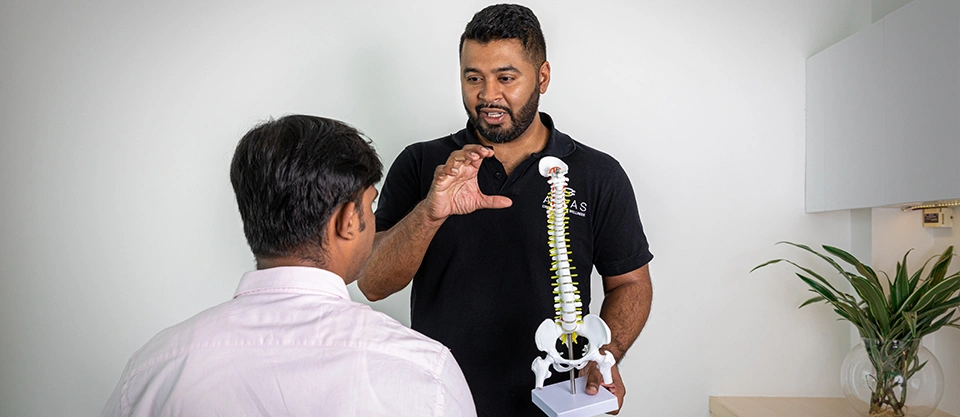
Your first appointment begins with a detailed consultation. The physiotherapist asks about your pain, lifestyle, work habits, medical history, and past injuries. They also check posture, spinal movement, and muscle strength to identify the root cause of discomfort. This step ensures the treatment is safe and tailored to your needs.
Personalized Treatment Plan
Based on the assessment, a customized plan is created. It may include exercises, manual therapy, and lifestyle adjustments. The focus is on your specific concerns—whether stiffness, weakness, poor posture, or chronic pain—with clear recovery goals.
Treatments & Guided Exercises
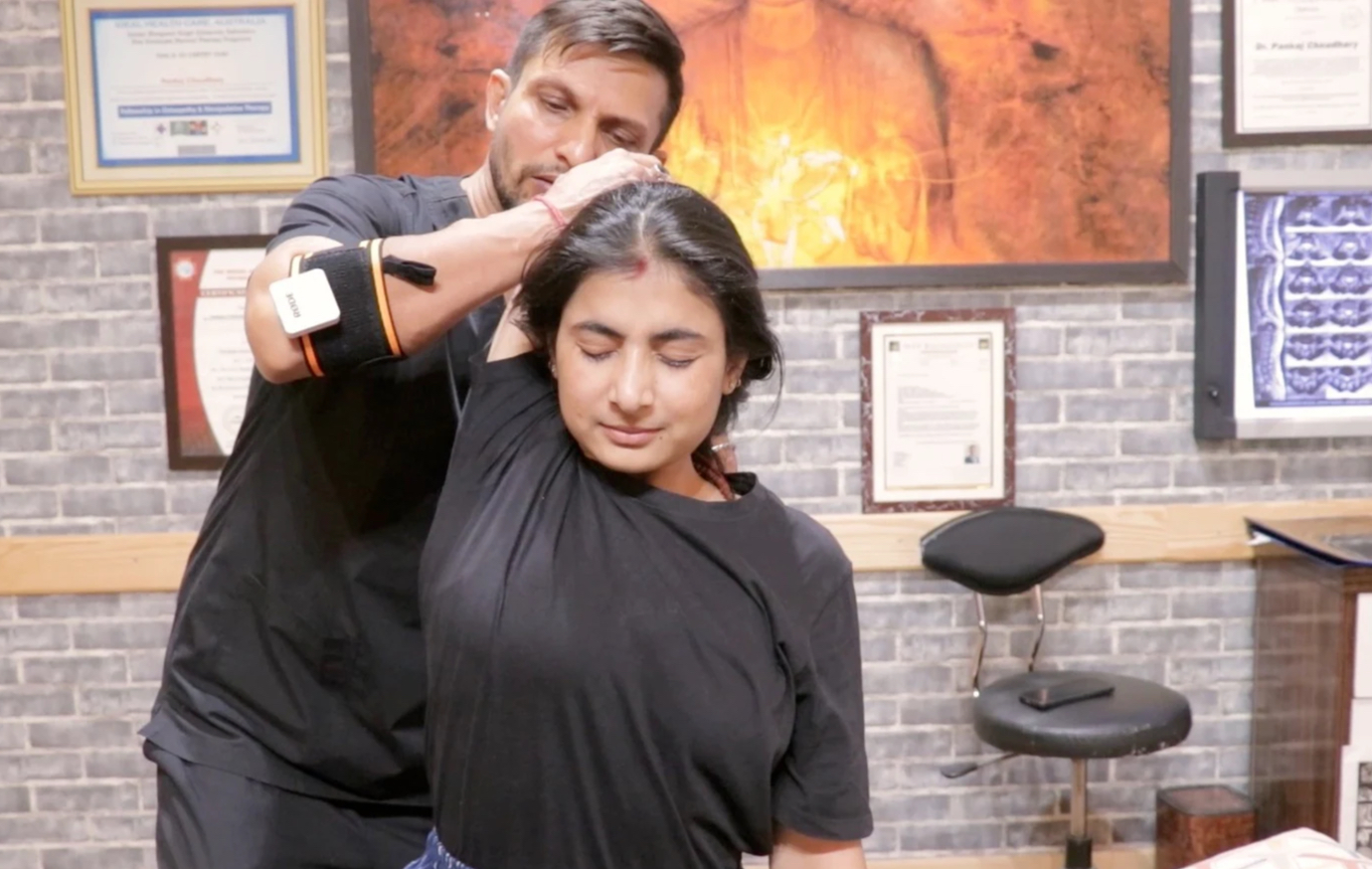
Sessions often begin with hands-on therapy, massage, or heat and ice packs to ease tightness. Tools such as TENS machines, ultrasound, or iontophoresis may be used to relieve pain and reduce inflammation.
You’ll also be guided through targeted stretches like hamstring exercises and dynamic lumbar stabilisation, followed by strengthening routines with resistance bands or exercise balls. Posture-correction moves support alignment, while low-impact activities like walking or cycling help improve endurance and overall fitness.
Frequency & Precautions
Therapy is usually scheduled 1–2 times a week, adjusted as strength and flexibility improve. Always inform your therapist about serious health conditions such as heart disease, uncontrolled hypertension, osteoporosis, or recent fractures before starting. Stop immediately if any unusual pain or discomfort occurs during exercises.
Follow-Up & Long-Term Relief
Progress is reviewed regularly, and exercises are modified as you improve. Over time, physiotherapy for back pain not only eases back pain but also restores mobility, strengthens muscles, improves posture, and lowers the risk of future problems—supporting long-term wellness and confident movement in daily life.