Why a Single Treatment Model Fails in PCOS Care
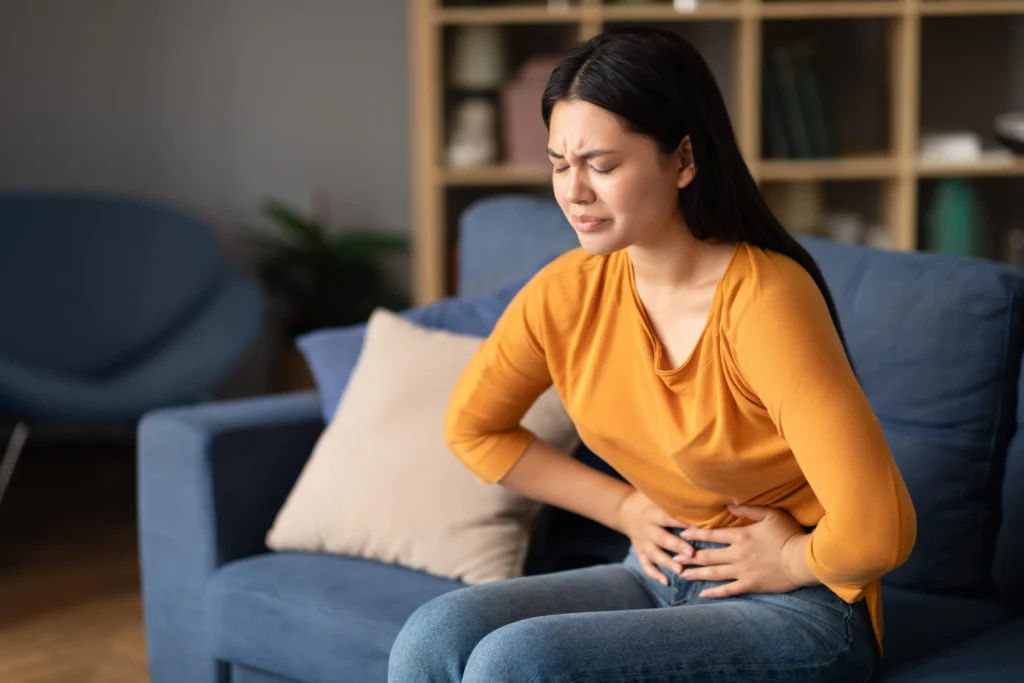
Clinically, PCOS is recognized as a complex endocrine and metabolic condition. As explained by Johns Hopkins Medicine, PCOS involves elevated androgen (male-type hormone) levels that interfere with ovulation and disrupt normal menstrual cycles. It remains one of the leading causes of female infertility worldwide.
However, PCOS is equally a metabolic condition. When not properly regulated over time, it may increase the risk of:
- Type 2 diabetes and prediabetes
- Cardiovascular disease
- Non-alcoholic fatty liver disease (NAFLD)
- Obstructive sleep apnea
- Endometrial hyperplasia and endometrial cancer
- Persistent low-grade inflammation
- Dyslipidemia (abnormal cholesterol levels)
This broader systemic impact explains why managing PCOS is not only about cycle regulation — it is about long-term metabolic stability and risk reduction.
According to the National Institutes of Health report, PCOS is categorized into four phenotypes (Types A, B, C, and D), based on combinations of androgen excess, ovulatory dysfunction, and ovarian morphology.
Assessing menstrual patterns, androgen-related symptoms, metabolic risk factors, and individual health goals helps clinicians tailor PCOS management. Holistic therapies may complement conventional PCOS care when appropriate. Suitability and potential risks vary by therapy and individual health status, so assessment by a qualified practitioner is important before starting treatment.
While they do not replace medical treatment, when combined appropriately, they support metabolic balance, stress regulation, sleep quality, and long-term hormonal stability. Over the past two decades, PCOS management has increasingly adopted integrated, comprehensive approaches — combining diet, movement, sleep optimisation, stress management, medical supervision, and adjunct therapies —addressing individual symptoms, lifestyle factors, and metabolic health alongside appropriate medical treatment.
The Shift Toward Holistic Health: Why PCOS Needs a New Approach Today
PCOS management may include medical treatment, nutrition guidance, physical activity, and behavioural support, depending on individual symptoms and health goals. Hormonal contraceptives may help manage irregular cycles and acne, metformin may be prescribed for selected metabolic indications, and letrozole is commonly recommended as first-line pharmacological treatment for ovulation induction in women with PCOS-related infertility when appropriate.
Do not change or stop any prescribed medication without speaking to your doctor. Natural therapies should not replace prescribed PCOS treatment.
As Geeta Patil, founder of Sanjeevani Ayurveda, notes, personalized holistic care — integrating lifestyle adjustments with natural therapies — can support insulin regulation, reduce inflammation, and improve cycle regularity.
Natural Therapies That Support PCOS
Holistic therapies complement conventional care by addressing underlying metabolic and hormonal imbalances:
Ayurveda & Naturopathy: Ayurvedic remedies, including targeted herbal medicines and Panchakarma therapies, alongside naturopathic interventions like hydrotherapy or salt-based treatments, help improve digestion, reduce inflammation, and regulate hormones under personalised guidance.
Note: Vamana and Virechana are specialised Panchakarma procedures and must be performed only under the supervision of a qualified Ayurvedic physician, following an individual assessment of suitability, health status, and potential risks.
Yoga & Movement Therapy: Regular, appropriately tailored yoga and physical activity may support stress management, fitness, and overall metabolic health. They can complement PCOS care but should not be presented as a guaranteed way to balance hormones or restore menstrual regularity.
Acupuncture & Stress-Regulation: Acupuncture may be considered as a complementary option for selected well-being goals. Evidence that it reliably improves ovulation or other PCOS-specific outcomes remains limited, so it should not replace established medical care.
Lifestyle Interventions in PCOS Management
Lifestyle plays a pivotal role in enhancing the effects of therapies. Weight management, moderate daily activity, and consistent sleep and stress-management practices contribute to better hormonal regulation, improved energy levels, and long-term metabolic resilience.
Lifestyle measures, including balanced nutrition, regular physical activity, adequate sleep, and stress management, are important components of PCOS care. For women who are above their individual healthy weight range, weight management may improve some metabolic and reproductive outcomes. Benefits can also occur without weight loss, and recommendations should be tailored to individual needs rather than based on a single weight-loss target.
Role of Diet in PCOS
Structured dietary approaches complement therapies and lifestyle changes. According to Roshni Sanghvi, a globally certified nutritionist specialising in PCOS management, long-term dietary and lifestyle strategies — rather than short-term restrictive diets — are essential to stabilise blood sugar, support hormonal balance, and improve metabolic health.
- Balanced, minimally processed diet: Emphasises vegetables, fruits, whole grains, pulses, appropriate protein sources, and healthy fats.
- Individualised carbohydrate intake: Carbohydrate quality and quantity can be adjusted according to nutritional needs, preferences, and metabolic health.
- Personalised nutrition planning: A qualified nutrition professional can help develop a sustainable eating pattern that supports overall health without unnecessary dietary restrictions.
Preparing for Your First PCOS Consultation: Exploring Beyond the Usual Path
Traditionally, most women with irregular cycles, acne, or weight gain consult a gynecologist or an endocrinologist. Medication may regulate symptoms, but growing awareness around long-term metabolic and non-invasive approaches has led women to also consider structured natural approaches.
Before any consultation — medical or holistic — organise your health details. Track your cycle length, duration, and flow. Note when symptoms began, changes in weight or energy, sleep quality, stress levels, and any supplements or prescriptions you use. Clear records allow more precise guidance.
Depending on symptoms, medical history, and previous results, a clinician may recommend investigations such as:
- Hormone panel (LH, FSH, testosterone)
- Fasting glucose and insulin
- Lipid profile
- Thyroid function
- Pelvic ultrasound
These reports clarify whether insulin resistance, androgen excess, inflammation, or mixed factors are influencing symptoms — helping tailor diet, exercise, and adjunct therapies appropriately.
If you are exploring natural practitioners, evaluate them carefully:
- Relevant qualifications and PCOS-specific experience
- Transparent treatment approach
- Realistic timelines (often 3–6 months of structured follow-up)
- Session duration (typically 30–60 minutes)
- Budget alignment and visit frequency
- Credible website information and patient reviews
Holistic care works best when it is personalized, supervised, and integrated with necessary medical evaluation. PCOS management is long-term, and choosing an approach that fits your schedule, finances, and health priorities supports consistency — which ultimately influences outcomes.
Accessing Structured Natural Support Through Wellness Garden
Accessing coordinated natural support can feel fragmented when options range from individual therapists to integrative centres. Wellness Garden functions as a digital platform that brings these options into one organised space.
Based in Bangalore, the platform connects women to over 600 verified practitioners across hormone health, PCOS support, metabolic care, fertility preparation, and pain management. Users can explore different care formats — including day clinics, urban therapy spaces, retreat-based programs, and integrative hospital settings.
Each expert profile outlines qualifications, therapy focus, and consultation structure. For those exploring complementary wellness options, Wellness Garden can help identify relevant practitioner profiles based on individual goals, preferences, and budget. Medical reports and symptoms should be reviewed by an appropriately qualified healthcare professional.
The intent is not to replace medical evaluation, but to simplify access to structured, adjunct natural care in a format aligned with individual needs and pace.
FAQs
1. Can PCOS be completely cured?
PCOS is a long-term condition, but symptoms and associated health risks can often be managed with appropriate medical care and lifestyle support.
2. Is medication always required?
Treatment depends on individual symptoms, metabolic health, and fertility goals; a qualified doctor can determine whether medication is appropriate.
3. Does yoga help in PCOS?
Yoga may support stress management and physical well-being as part of a broader PCOS care plan.
4. Is there a specific diet for PCOS?
No single diet is best for everyone; balanced, sustainable nutrition tailored to individual needs is generally recommended.
5. How long does natural support take to show results?
The timeline varies by intervention and individual, and no fixed period guarantees improvement in PCOS symptoms.
6. Can natural therapies replace medical treatment?
Natural therapies may complement appropriate medical care but should not replace prescribed treatment or medical supervision.