Is Your Stress and Hormones Balanced in-Check? Find Out in 5-Minutes
Feeling stressed and worn out? Your body might be out of balance. Stress and hormones are closely linked. Take this quick test to see if stress is affecting your hormonal balance. Let's check it out!
Written by

WG
Editorial Team

Reviewed By: Dr. Vadivel Dhatchanamoorthy, BNYS
Assess the impact of stress on your hormonal health and get personalized tips
Stress is an unavoidable part of life, but did you know it can significantly affect your hormones? Hormonal imbalances can lead to a host of health issues, from fatigue and weight gain to mood swings and sleep disturbances. Understanding the relationship between stress and hormones is the first step towards better health. Take this quick quiz to see how stress might be impacting your hormonal balance and get some personalized tips to help manage it!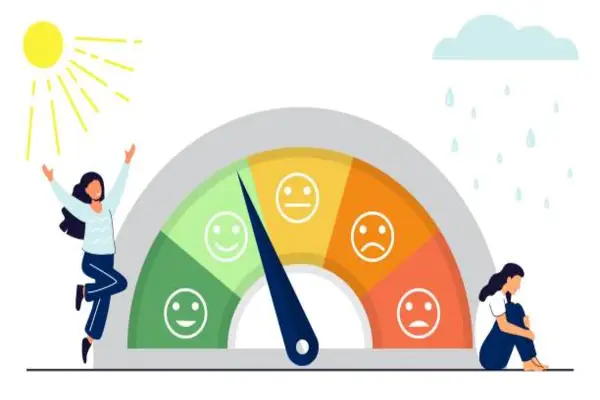
Take the Quiz
- How often do you experience sudden, unexplained anxiety?
- A. Rarely
- B. Sometimes
- C. Often
- D. Almost always
- Do you have difficulty falling or staying asleep?
- A. Rarely
- B. Occasionally
- C. Frequently
- D. Very frequently
- How often do you feel irritable or have mood swings?
- A. Rarely
- B. Occasionally
- C. Often
- D. Very frequently
- How often do you feel fatigued or low on energy, despite getting enough sleep?
- A. Rarely
- B. Occasionally
- C. Often
- D. Almost always
- How would you rate your appetite and eating habits?
- A. Consistent and balanced
- B. Varies slightly
- C. Frequently changes
- D. Very unpredictable
- Do you find it difficult to concentrate or remember things?
- A. Rarely
- B. Sometimes
- C. Often
- D. Very often
- How often do you feel overwhelmed by your responsibilities?
- How would you describe your overall sense of well-being?
- A. Excellent
- B. Good
- C. Fair
- D. Poor
- Do you experience digestive issues (e.g., bloating, constipation)?
- A. Rarely
- B. Occasionally
- C. Often
- D. Very often
- How frequently do you engage in natural activities that help you relax, calm and de-stress?
- A. Daily
- B. A few times a week
- C. Once a week
- D. Rarely
Results
- Mostly A’s: Your stress levels seem to be well-managed, and your hormonal balance is likely in good shape. Keep up the good work! Continue practicing your healthy habits and ensure you get regular check-ups to maintain your well-being.
- Mostly B’s: You’re doing a fairly good job of managing stress, but there’s room for improvement. Consider integrating more stress-reducing activities into your routine, such as yoga or meditation. Keep an eye on any changes in your health and seek professional advice like ayurvedic stress relief if needed.
- Mostly C’s: Stress is starting to take a toll on your hormonal health. It’s important to prioritize self-care and find effective ways to reduce stress. This might include regular exercise, mudra for stress relief, a balanced diet, and perhaps speaking with a wellness professional.
- Mostly D’s: Stress is significantly impacting your hormonal balance. It’s crucial to take immediate steps to manage your stress. Consider seeking professional help from a therapist or a wellness coach, and explore therapies such as acupuncture or massage to help alleviate stress.