Is Yoga Better Than Gym? Build Strength, Flexibility & Stamina with Trusted Expert Guidance in Bangalore
Is Yoga Better Than Gym? Explore Which Approach Builds Strength, Flexibility, Energy, and Complete Wellness Across Bangalore’s Best Centers.
Written by

WG
Editorial Team

Reviewed By: Dr. Vadivel Dhatchanamoorthy, BNYS
Mornings in Bangalore rush by—emails, meetings, family routines—and suddenly there’s no time left for yourself. When you finally pause, the question often comes up: “Is yoga better than gym for me, and where should I join?”
The truth is, it’s not about choosing sides—it’s about using your time wisely, listening to your body, and picking movements that actually work for you. Following trends blindly or skipping proper guidance can often do more harm than good.
With so many choices—yoga styles, gym workouts, Pilates, Kalari, Mudgar, HIIT—the key is matching your routine to your goals, age, and lifestyle. Even 20–30 minutes a day, done consistently, can tone muscles, improve mobility, boost endurance, and restore energy.
As Dr. Miuru Jayaweera, Yoga & Fitness Expert with over 20 years of experience, explains: “A one-dimensional routine—only lifting weights or only doing yoga—can leave gaps. Combining strength, flexibility, and cardio builds a resilient body.”

Your 30s and Beyond: Building Strength That Lasts
After 30, your body quietly begins to change—energy dips, recovery slows, and strength doesn’t bounce back as easily. Adults lose 3–8% of muscle mass each decade, and women may lose around 1% of bone density per year after 40, raising the risk of osteoporosis. Add long desk hours in Bangalore, and the decline only speeds up.
This process, called sarcopenia, shows up as stiffness, fatigue, and reduced strength. But here’s the twist—movement is your best defense. Regular exercise keeps bones strong, maintains muscle, and slows age-related decline. As wellness coach Natasha Noel emphasises, even short, consistent sessions can ease stiffness, improve mobility, and recharge stamina.
The good news: just 20–30 minutes of movement, 3–5 times a week, is enough to build a sustainable habit within 4–6 weeks—right in line as per study by University College London.
At Wellness Garden, we connect you with 30+ trusted partners across Bangalore and nearby centres, so you can explore yoga, gym, and holistic practices—and find a rhythm that truly lasts.
Choosing What Works for You: Yoga, Gym & Beyond
Strength, stamina, flexibility, and recovery are the foundations of lasting wellness. Knowing your goals and what you need is the first step to choosing a practice that keeps you strong, flexible, and energised—at any age—and fits your lifestyle perfectly.
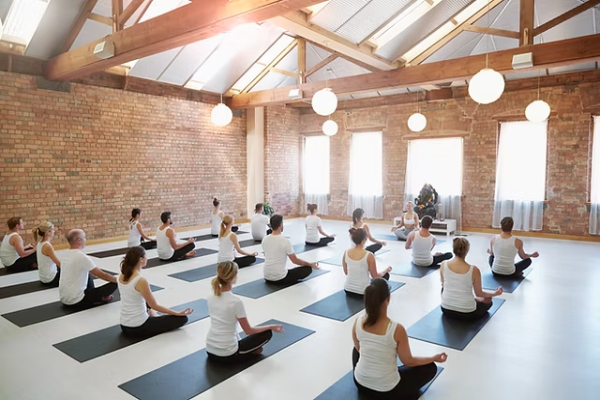
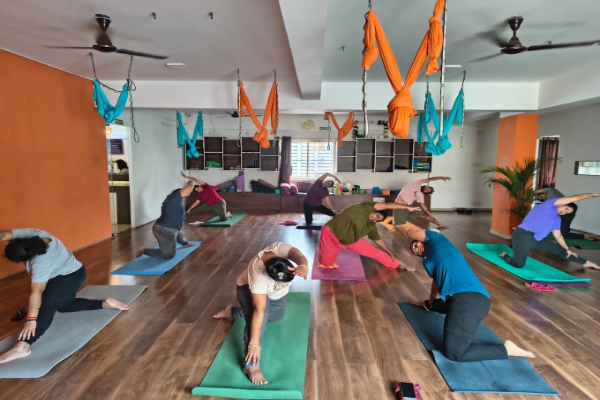
Yoga – Flexibility, Balance & Hormonal Support
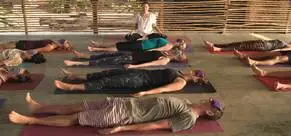
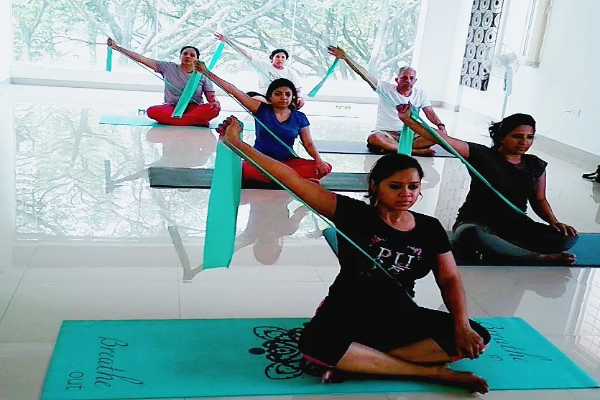
Enhances flexibility, posture, and stress resilience. Vinyasa flows, Hatha asanas, and Restorative poses using blocks or straps aid recovery. Even if you think yoga is “too slow,” flowing sequences like Power Vinyasa or Sun Salutations burn calories while improving mental clarity and hormonal regulation.
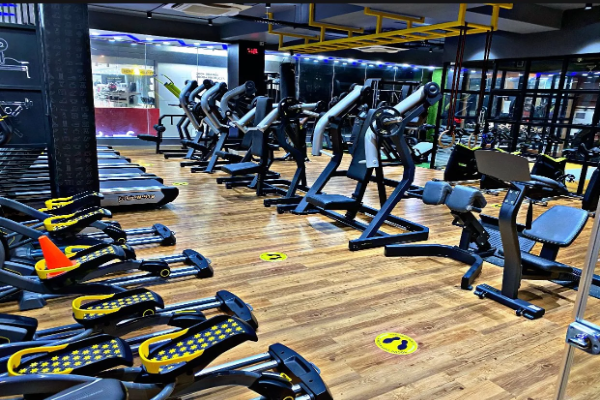
Gym & Mudgar – Strength & Bone Health
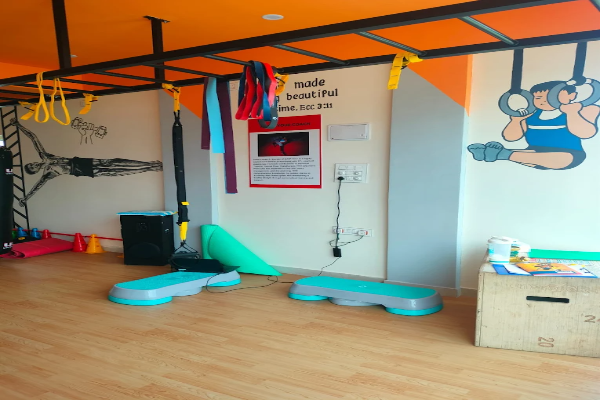
Prevents age-related muscle and bone decline. Weight training with dumbbells, kettlebells, resistance bands, machines, and Mudgar (Indian mace) builds muscle tone, grip, shoulder stability, and overall endurance. Beginners can safely start in smart gyms or TRX programs—strength training isn’t only for advanced athletes.
Pilates – Core Strength & Posture
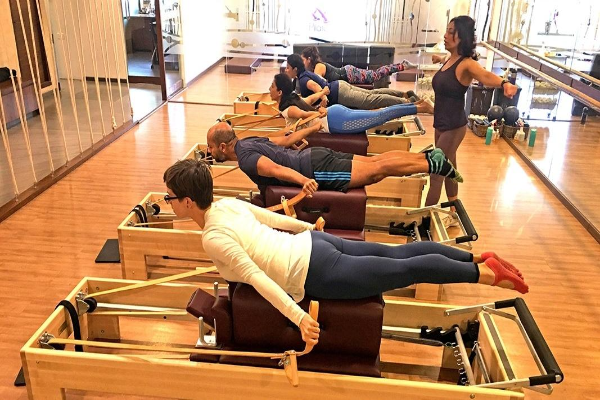
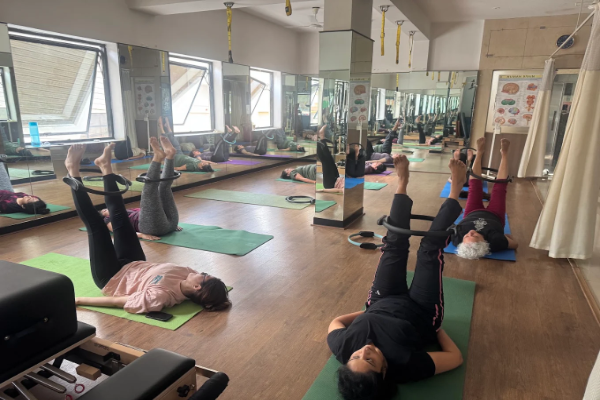
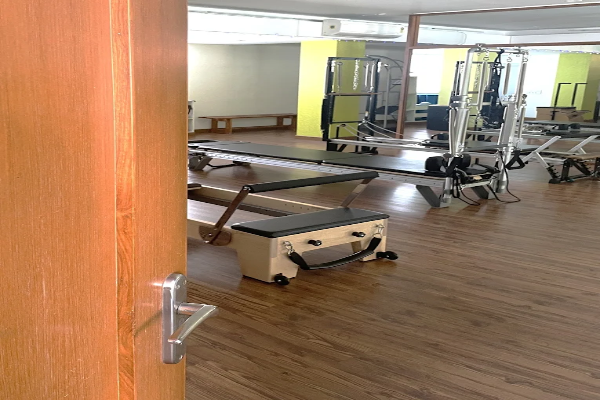
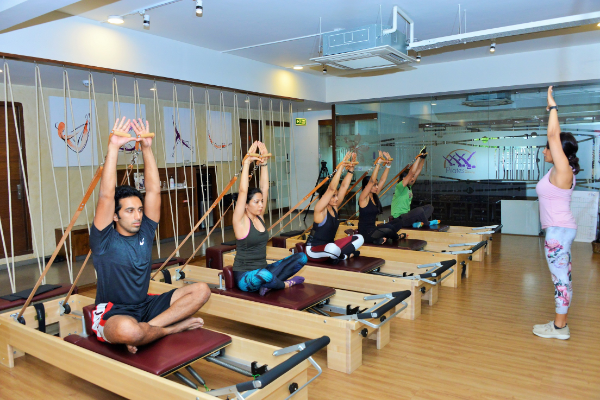
Strengthens deep core muscles, corrects postural imbalances, and supports recovery from desk-bound lifestyles or post-pregnancy changes. Mat and Reformer Pilates, resistance rings, and targeted core exercises enhance spinal health and functional mobility. It’s more than stretching—it’s a core-strength powerhouse.
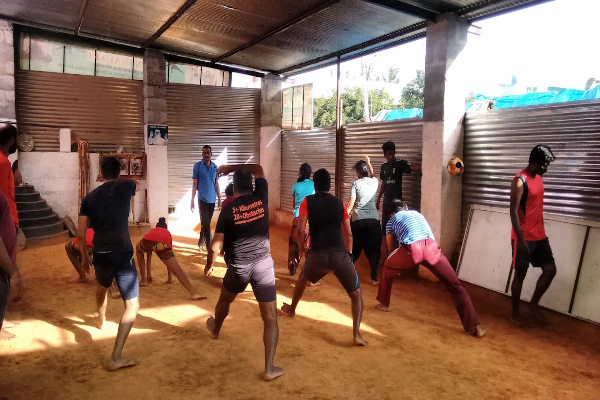
Kalari (Kalaripayattu) – Agility & Coordination
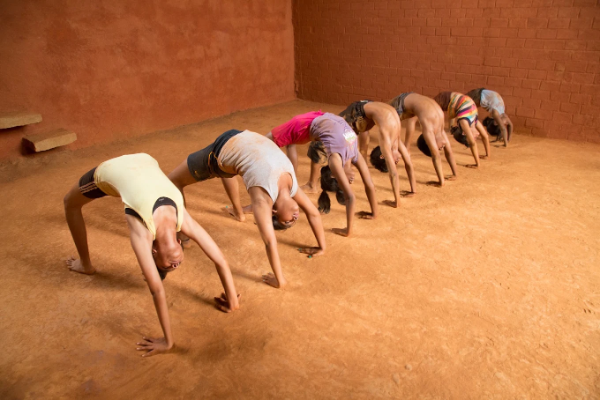
Sharpens reflexes, coordination, fluidity, and mental focus. Dynamic stances, kicks, and flowing sequences improve functional fitness, showing Kalari is not just a martial art but excellent for balance, movement efficiency, and mindfulness.
HIIT – Stamina & Metabolism
Boosts endurance, fat metabolism, and cardiovascular capacity. Bodyweight circuits, kettlebell swings, jump ropes, and battle rope routines are adaptable for all levels, proving HIIT isn’t limited to athletes—it’s effective for anyone looking to energize daily routines.
Recovery Therapies – Mobility, Stress & Sustainability
Combines massage, physiotherapy, Ayurvedic oil treatments, foam rollers, stretching routines, and chiropractic care to restore mobility, prevent injuries, and support mental well-being. Recovery ensures all other practices are safe, sustainable, and effective for long-term fitness.
Note: No single method covers everything. A balanced mix of yoga, strength training, Pilates, Kalari, HIIT, and recovery therapies creates a routine that is both effective and enjoyable.