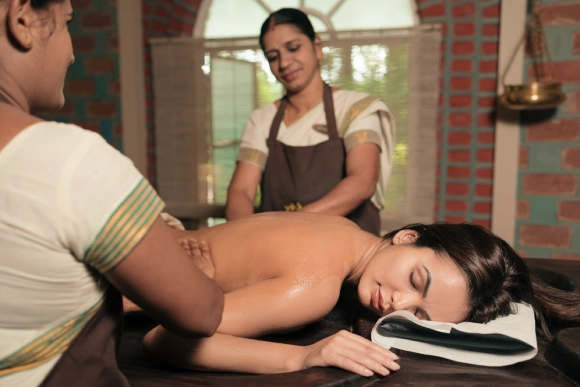
Introduction to Sports Medicine with Ayurveda
Sports Medicine (SEM) focuses on fitness and sports injury care. Ayurveda shuns performance drugs, excelling in non-invasive treatments for ligaments, tendons, etc. Quick recovery, minimal scarring, and swift return to sports define Ayurvedic healing. Read more to know more.
Written by

WG
Editorial Team
Reviewed By: Dr Shona Prabhu, M.Sc
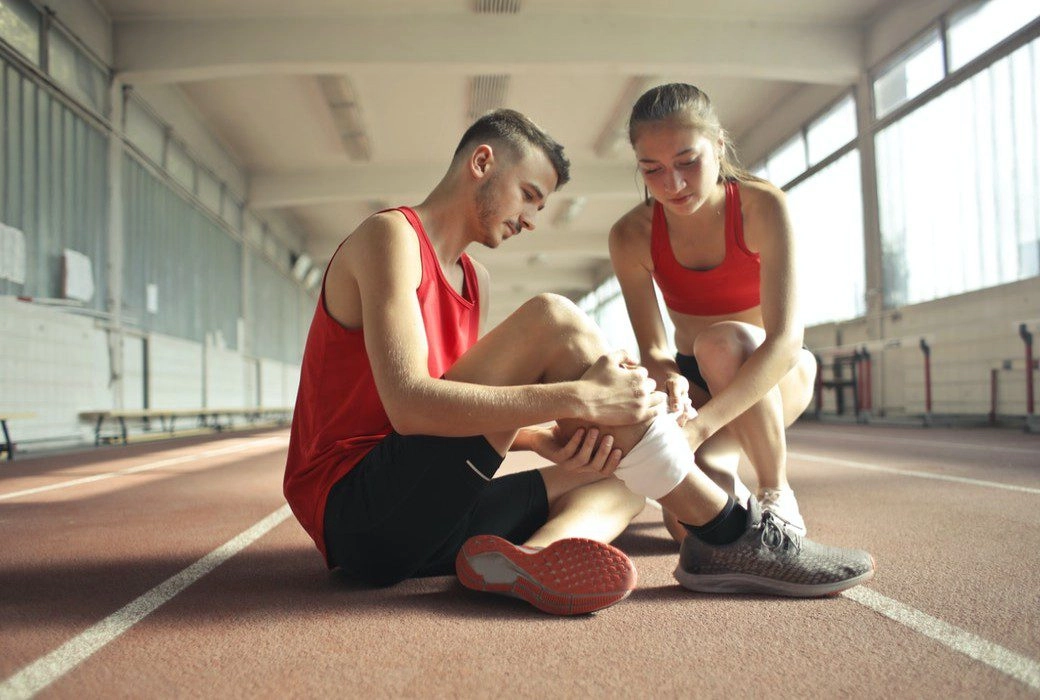
Ayurveda does not use steroids to enhance performance and will never fall under the shadow of doping, which is popular in sports circles. Moreover, Ayurveda treats most injuries without invasive surgical procedures and has proven to be highly effective for the treatment of injuries to soft tissues such as ligaments, tendons, and meniscus. Since the procedures are mostly non-invasive, there is minimal scarring, tissue regeneration is faster, and the injured sportsperson gets back to the field quickly after treatment.
History of Sports
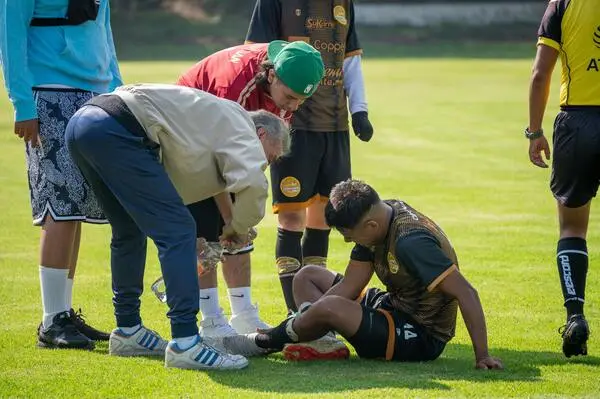
If we consider the stone ages, we can see that sports initially developed as a form of combat and warfare which was necessary for survival. As the years progressed, contests began to be held which marked the beginning of Sports as an area to exhibit one’s physical strength. In India, right from the Vedic period, we find that people were expected to be well-trained in archery, swimming, military games, sword fighting, horse-chariot racing, wrestling, and hunting. This was seen in other parts of the world as well especially Greece, where sports was first instituted formally, with the first Olympic games recorded in 776 B.C. With sports, the injuries followed, right from the simple sprain and cramps to the deadly concussion and head injuries. This led to the development of sports and exercise medicine as a specialty today.
What is SEM?
Sports medicine, also known as Sport and Exercise Medicine (SEM), is a branch of medicine that deals with physical fitness and the prevention and treatment of injuries related to sports and exercise. It is only since the 20th century that this has emerged as a distinct field of healthcare. The doctor trained in Sports and exercise medicine is a specialist Orthopeadician who has extensive training and education in musculoskeletal medicine. SEM consultants also deliver clinical physical activity interventions, negating the burden of disease directly attributed to physical inactivity and the compelling evidence for the effectiveness of exercise in the primary, secondary, and tertiary prevention of disease. Also, these doctors are frequently involved in promoting the benefits of physical activity, exercise, and sports medicine for individuals and communities.