What is Reiki?
The word Reiki comes from the Japanese word “Rei” which means “Universal Life” and “Ki” which means “Energy”. It is an art of subtle and effective spiritual healing using guided life force energy. Reiki practitioners work on the principle that everyone can connect with their healing energy and use it to strengthen themselves and help others. When the “ki” or energy is strong and free-flowing, the person’s body is in a positive state of health, whereas, when the energy becomes weak or blocked, it could lead to physical or emotional imbalance.
A practitioner can help ease tension and stress and heal the body on all levels – physical, mental, and emotional – providing a pleasant and relaxing experience. This practice rooted in spirituality. Pamela Miles, a renowned Reiki master and researcher, has collaborated with medical schools at Harvard and Yale to develop Reiki programs. Despite its spiritual foundation, Reiki offers therapeutic benefits, which we’ll explore further, and can be practiced in a secular way. Additionally, it’s important to note that Reiki is not a religion and doesn’t require any specific religious beliefs.
How does it work?
If you are a first-time client, the practitioner makes sure to understand your condition, your needs, and what you expect from the session. This will be followed by the practitioner explaining to you what a typical session looks like and the duration each extensive session will take.
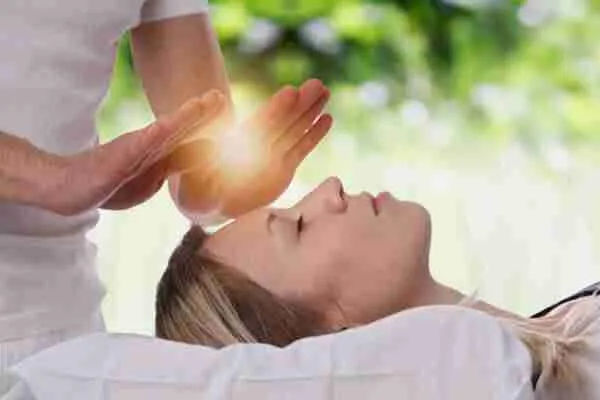
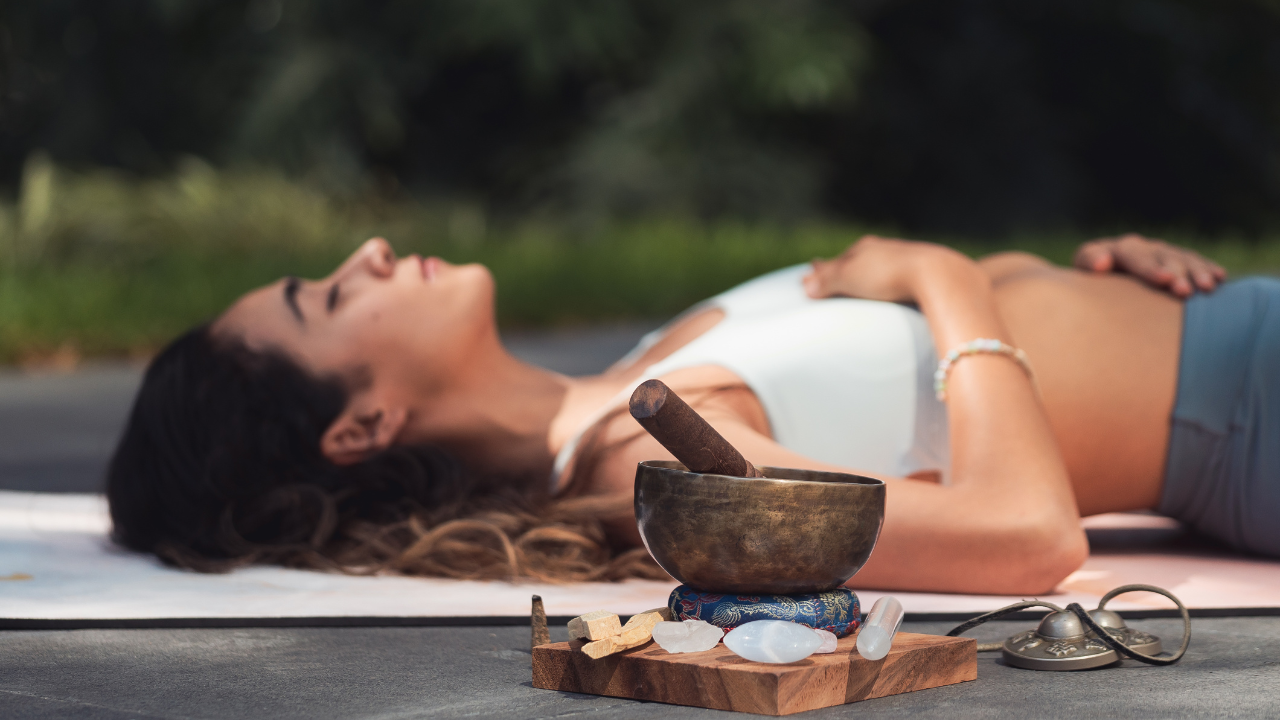
During the session, you will be made to rest comfortably on a massage table on your back without your shoes or sit comfortably in a chair. The practitioner can carry out the session either hands-on, by applying a light touch, or hands-off by holding the hands slightly above the body. The practitioner will start the session either from your head or your feet. While undergoing this session, you might feel a warming sensation, or tingling throughout the session, or just a sense of relaxation that will make you feel pleasant, relaxed, and invigorated.
Benefits of Reiki
The relaxation response achieved post-Reiki has proven beneficial in easing the symptoms of the following conditions:
- Relieves pain, anxiety, and fatigue.
- Treats depression.
- Enhances the quality of life.
- Boosts mood.
- May improve symptoms and conditions of headache, tension, insomnia, and nausea.
If you’re interested in practicing the aforementioned reiki under our guidance, feel free to get in touch with us for personalized reiki sessions and more.
A Word From WG
Wellness Garden is your committed partner in seeking comprehensive natural and holistic therapies to address all your pain and wellness requirements. Our approach encompasses the entirety of your body, mind, and environment, integrating body, mind, and nutrition therapy and various other techniques.
Whether you’re facing physical or mental health concerns, life hurdles, or simply aiming to enhance your overall well-being, we’re here to provide the support you need. Get in touch with us to explore the possibilities and embark on your journey towards holistic therapy and improved health.