Where Travel Meets True Happiness: A Guide to Healing Weekend Getaways from Bangalore
Feeling exhausted and short on time, but still looking for weekend getaways from Bangalore that are close, simple, and truly refreshing? This guide is for you—check it out.
Written by

WG
Editorial Team
Reviewed By: Dr. Vadivel Dhatchanamoorthy, BNYS
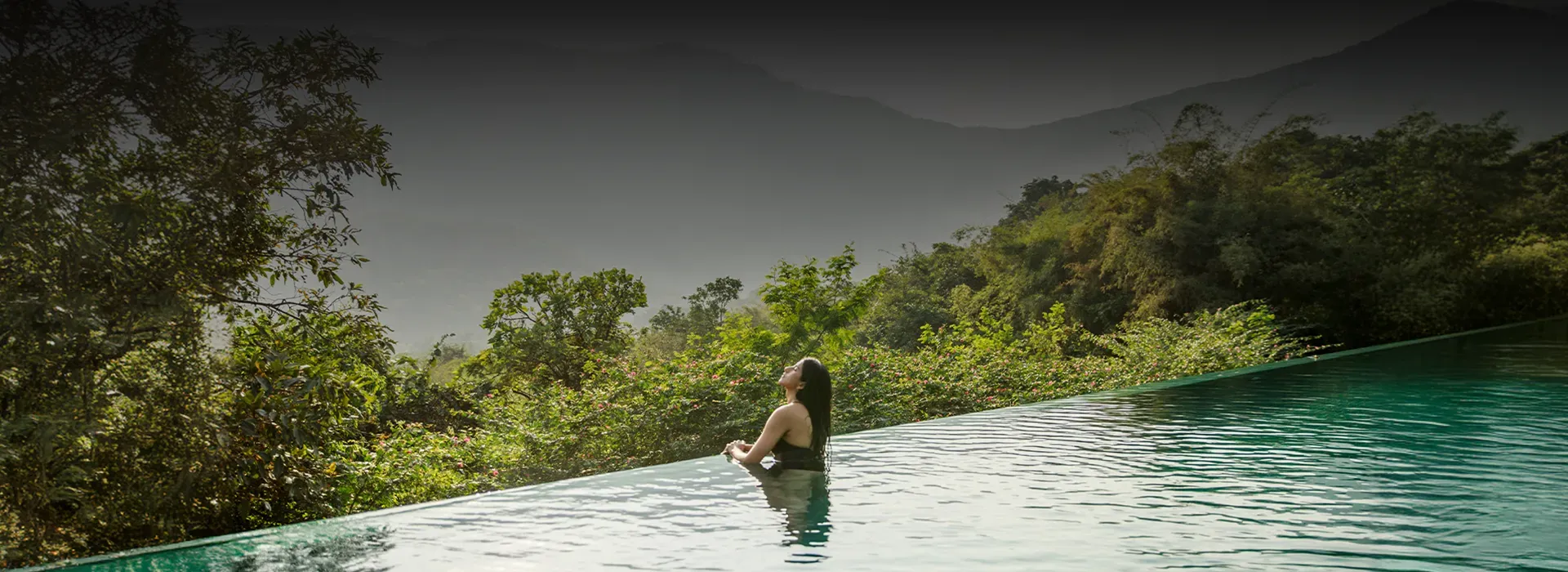
What if your next short weekend getaway could reset you—not just distract you? As life accelerates in fast-moving urban work cultures, travel is quietly being redefined. It’s no longer just about checking into a hotel or escaping routine—it’s about choosing environments that support a more natural, holistic way of recovery.
This shift is already visible, especially in cities like Bangalore, where a new generation of travellers is moving beyond conventional getaways and exploring experiences designed for real well-being—not just comfort or aesthetics. Because a real break begins when your environment supports your system—not overwhelms it.
Instead of packed itineraries, this approach focuses on simplicity—natural, non-invasive therapies, and even a single personalized session aligned to what your body truly needs. Less stimulation, more restoration. This guide is your starting point to rethink travel as intentional recovery. If you’re unsure where to begin, or want clarity before you choose, Wellness Garden helps you discover trusted spaces, therapies, and experts—so your time away becomes more than a break, it becomes a meaningful reset.
The Hidden Burnout Gap Between Travel and Recovery
Burnout today is less about how much you work—and more about how little you truly recover. According to the Confederation of Indian Industry (CII)–MediBuddy report, nearly 62% of Indian professionals experience burnout, often carrying stress patterns even into their time off. At a global level, the World Health Organization defines burnout as a state of chronic workplace stress that has not been successfully managed—highlighting that recovery is not automatic.
This is exactly where the shift toward travel begins.
A short weekend plan, a quick decision to step out, or a break that fits into a busy schedule—these have become common ways professionals try to create space for themselves. The idea is simple: change the environment, slow down, and return feeling lighter.
But the outcome doesn’t always align with that intention. Returning from a trip without a full sense of recovery has become increasingly common. The body continues to stay engaged due to disrupted routines, frequent movement, and constant adjustment, overeating to new environments—preventing a deeper reset from taking place.
This often shows up in familiar ways:
- Feeling physically drained like body stiffness (neck, back, shoulders)
- Lack of mental clarity or motivation
- Sleep that doesn’t feel deeply restorative
- Overstimulation (crowds, noise, constant activity)
- A lingering sense of low energy or imbalance
Instead of slowing down, the system remains in an active state—continuously processing and adapting. This isn’t a failure of travel—it’s a gap in approach. What’s needed today is a more intentional, holistic way of travelling—one that goes beyond traditional getaways and actively supports how the body recovers, restores balance, and rebuilds energy.
The Shift Toward Holistic, Healing-Focused Travel
Across urban, wellness-aware communities—especially among women managing both professional and personal responsibilities—there is a clear shift in how travel is being approached. It is moving beyond the idea of “travel as a break” toward travel as therapy, where the focus is not just on stepping away, but on supporting real recovery.
Instead of relying only on passive rest, more people are choosing natural, non-invasive, and holistic approaches—not just for health, but prioritising health-focused experiences.
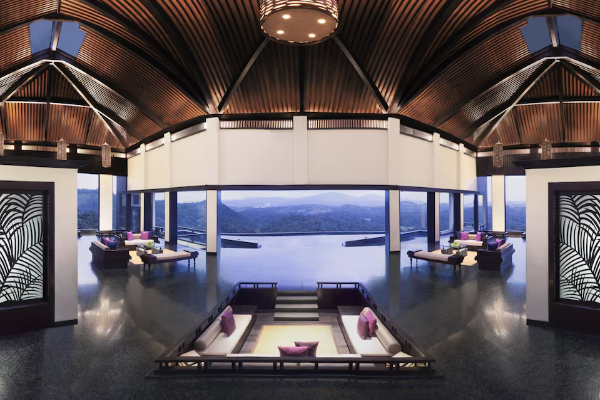
This shift is also visible across the hospitality industry. Even premium and 5-star hotels are expanding into wellness-focused experiences—introducing curated therapies, mindful spaces, and recovery-led programs—reflecting a broader move toward more intentional travel.
At a global level, international wellness travellers are increasingly choosing India for holistic healing, drawn by its strong foundation in Ayurveda, yoga, meditation, and naturopathy. Government initiatives such as Heal in India and AYUSH programs have further supported this movement. The wellness tourism market is also expected to grow steadily, with projections ranging between 8.9% – 13.2% CAGR through 2033.
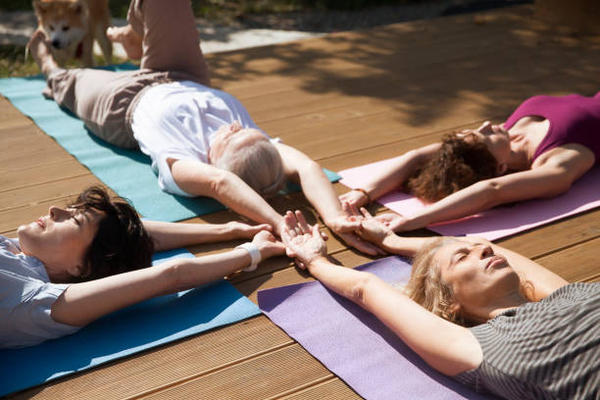
At the heart of this shift is a simple idea:true recovery needs more than comfort—it requires the right conditions. You take a break—but the reset still feels incomplete. Holistic wellness spaces are built around this understanding—offering experiences that help the body slow down, release accumulated stress, and begin preventive healthcare. These experiences typically include:
- Body-based therapies — ayurveda, therapeutic bodywork, breathwork
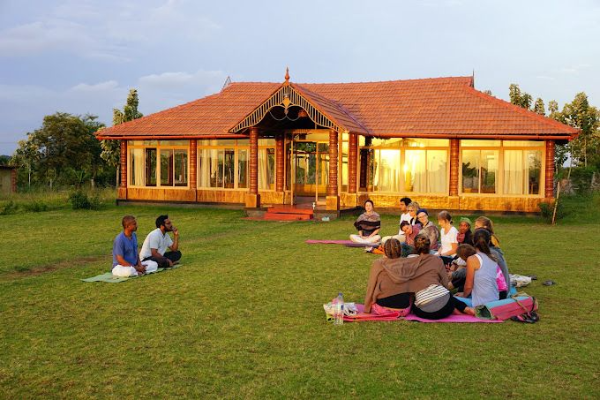
- Mind-based practices — yoga, meditation, mindfulness
- Sensory therapies — sound-based and relaxation-led sessions
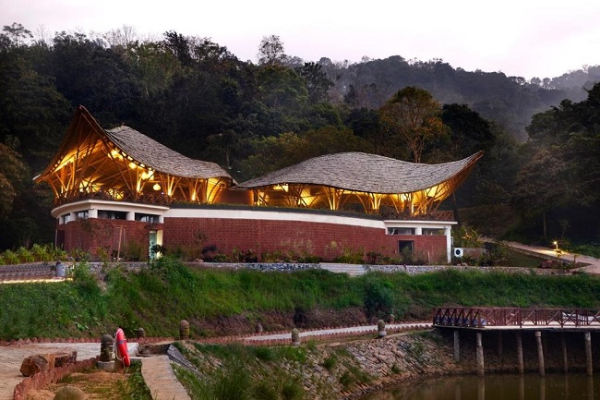
- Nature-led environments — calm settings that support deeper rest
- Personalized sessions — therapies chosen based on individual needs
For professionals managing demanding routines around Bangalore, this shift is both accessible and practical. You don’t need to plan long holidays or travel far. Short, intentional breaks—within 1–2 hours from the city or nearby regions like Mysore, Coorg, or Chikkamagaluru—are increasingly being designed as focused reset experiences, not just getaways.
Whether it’s a day break, a weekend stay, or a longer 7–14 day program, the experience can be designed in a way that helps you slow down and reset—so you return feeling clearer, steadier, and more restored.