Discover Body Massage Benefits for Hormonal Pain: A Natural Path to Period Comfort and Lasting Wellness
Struggling with cramps, mood swings, or bloating every month? Wondering if body massage benefits could truly ease period pain and support hormonal balance naturally?
Written by

WG
Editorial Team
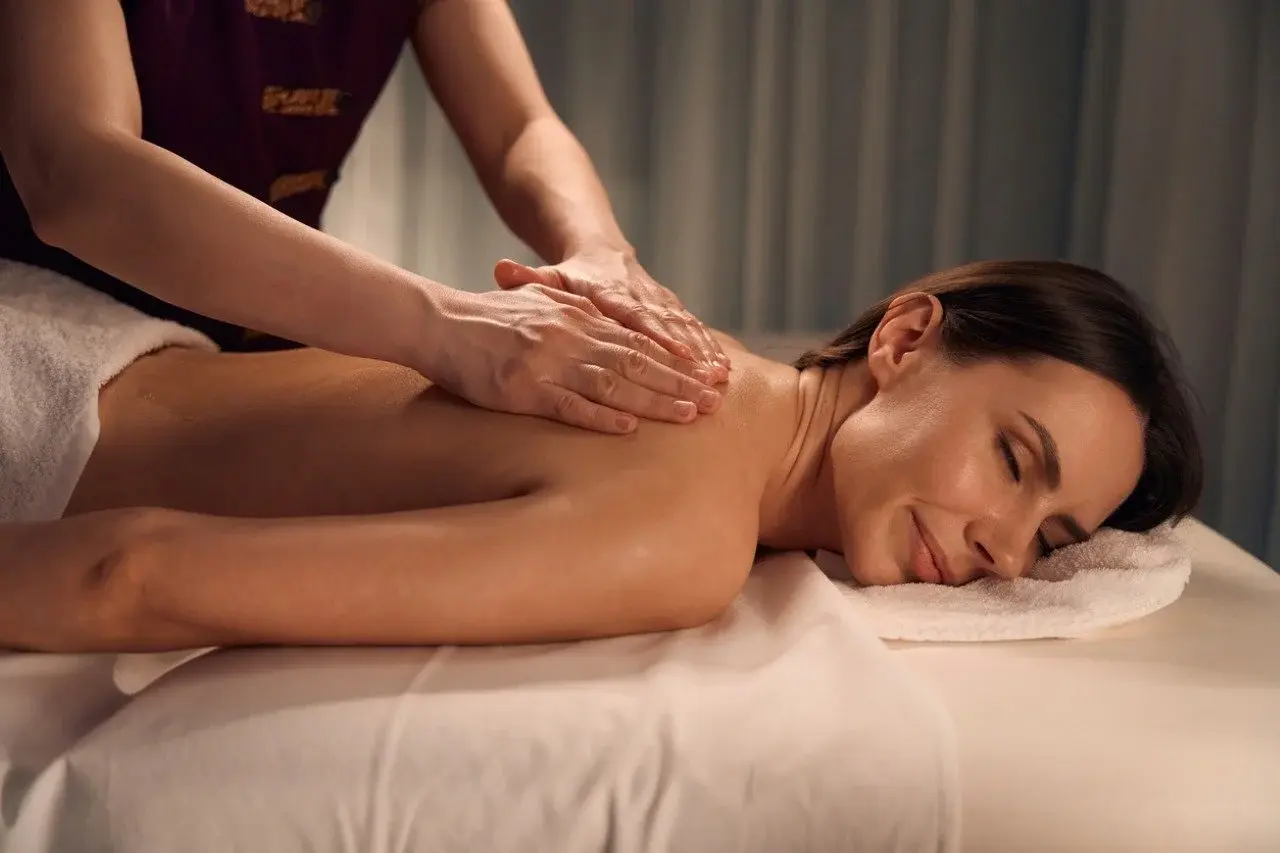
Reviewed By: Dr. Arvind Lokare, BAMS
Some days, your body feels heavy. Your face looks puffier. Energy dips, even after a full night’s sleep. That’s your hormones quietly asking for help.
Hormonal imbalances—bloating, breakouts, mood swings, restless sleep—often creep in unnoticed. They feel familiar, so it’s easy to brush them aside. But left unchecked, they can start to affect how you feel, look, and function every day.
Natural solutions like body massage therapy, Swedish massage, and massage oils for pain can ease period pain, support hormone balance, and restore overall well-being. From the benefits of body massage to understanding the types of massage available, this guide at Wellness Garden explores how massage works, the process, and the best experts for hormonal balance to help you feel your best.
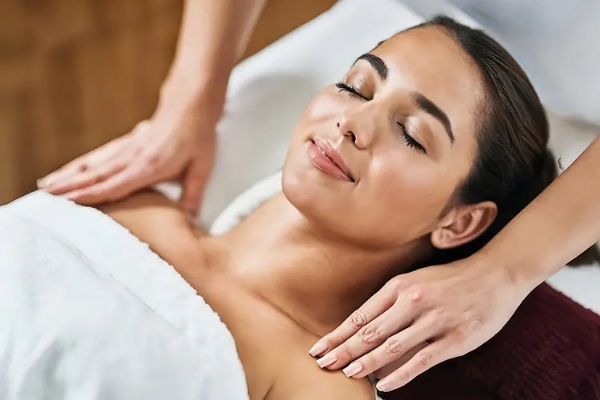
Why Hormonal Balance Matters: Signs, Symptoms, and Solutions
Hormonal changes are a natural part of every woman’s life. However, modern lifestyles—characterized by stressful workdays, irregular sleep patterns, and processed diets—can intensify these symptoms, leaving many women shifted for natural ways to restore balance.
As per the JAMA report, PCOS affects 6–13% of women worldwide, while a 2025 study in India found that 17.4% of college women aged 18–25 were diagnosed with the condition.
Many women encounter common signs of hormonal imbalance, including:
- Mood swings
- Fatigue or sluggish energy
- Digestive discomfort
- Facial bloating or puffiness
- Irregular menstrual cycles
These symptoms are more than just minor annoyances—they can impact daily life, productivity, and overall well-being. This is where natural therapies like body massage come in. Massage therapy has a rich history, spanning thousands of years across cultures—from ancient Chinese and Egyptian civilizations to Greek and Roman empires—where touch was recognized as a powerful tool for healing and balance.
Often seen as a luxurious self-care ritual, massage offers a gentle, science-backed approach for women. By working on muscles, tendons, and ligaments, it improves circulation, eases stress, stimulates the nervous system, and helps regulate key hormones such as cortisol, serotonin, and dopamine, supporting hormonal balance and overall well-being.
As per Dr. Shikha Sharma, a leading holistic wellness expert, emphasises the importance of therapies such as Swedish massage, Ayurvedic Abhyanga, and lymphatic massage. These approaches not only alleviate period pain and fatigue but also support hormonal harmony and overall well-being, often with just a few regular sessions.
How Body Massage Therapy Supports Hormonal Health: A Step-by-Step Guide
By targeting specific areas of your body, massage can help ease pain, reduce tension, and support your hormonal balance. Techniques are chosen based on your individual needs and the focus of each session.
In the following step-by-step guide, you’ll learn how a massage session unfolds and what each part of the session involves from start to finish.
Consultation and Assessment
Every massage session begins with a warm, personalised consultation. Your therapist takes the time to understand your unique experiences as a woman—from menstrual discomfort and mood swings to fatigue, bloating, or irregular cycles. Together, you’ll discuss your goals and expectations, and your symptoms are carefully assessed to design a safe, effective plan that focuses on the areas.
Identifying Target Areas
Next, the therapist pinpoints the areas where massage will have the most impact on hormonal balance and discomfort. The lower abdomen eases period pain and supports reproductive organs. The lower and upper back relieve tension and improve organ function. Shoulders and neck help reduce stress-related hormone fluctuations, while the hips and thighs boost circulation and lymphatic flow.
Focusing on these zones ensures that each session delivers maximum relief, helping you feel lighter, more relaxed, and balanced.
Massage Techniques and Application
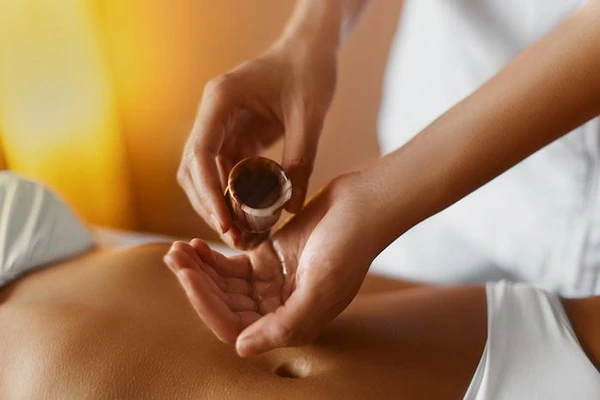
In a session, the therapist uses a combination of techniques tailored to your needs. Common methods include Swedish massage, using hands, forearms, or soft rollers for gentle strokes; Ayurvedic Abhyanga, with warm herbal oils, sometimes combined with small herbal poultices; Shiatsu massage, applying pressure with fingers, thumbs, and palms along energy meridians; and Compression massage, using rhythmic pressing of muscles, occasionally assisted by gentle rollers.
These techniques can be applied as a full-body massage or focused on specific areas, depending on your symptoms and comfort.
Frequency & Duration
Each session is around 45–60 minutes and can be either a full-body massage or focused on specific areas, depending on individual needs. The therapist may adjust pressure, techniques, or oils to suit your comfort and condition. Many women begin to notice gradual improvements in comfort and relaxation within the first few sessions, with continued benefits when sessions are scheduled once a week or every two weeks.
Before starting, it’s helpful to inform the therapist about any health conditions, medications, or hormonal treatments, so the session can be safely tailored. After a massage, gentle stretching or light movement and staying well-hydrated help support recovery.
Follow-Up and Long-Term Integration
Follow-up sessions help the therapist monitor progress and adjust techniques as needed. Over time, regular massages can become part of a holistic wellness routine, supporting hormonal balance, reducing tension, and improving overall comfort. Consistent sessions create a personalized approach to hormonal health, helping maintain energy and well-being in the long term.
Tip: Multiple techniques can be combined in a single session—for instance, a full-body Abhyanga followed by Swedish or Compression strokes on targeted areas for a more customised experience.