Diabetes Care Plan in Bangalore: Nutrition, Yoga and Holistic Wellness Support
Looking for a diabetes care plan in Bangalore? Discover how nutrition, yoga, lifestyle modification and complementary wellness support can fit into a personalised approach to diabetes management.
Written by

WG
Editorial Team

Reviewed By: Dr. Vadivel Dhatchanamoorthy, BNYS
Managing diabetes involves more than monitoring blood glucose. A personalised diabetes care plan combines appropriate medical care, balanced nutrition, physical activity, regular monitoring and sustainable daily habits to support long-term health.
At Wellness Garden, we connect individuals with nutrition professionals, health coaches, healthcare providers and complementary wellness centres. Our platform helps people explore personalised support based on their health needs, preferences and goals, alongside appropriate medical treatment.
From nutrition consultations and yoga sessions to wellness programmes and lifestyle guidance, individuals can discover services that complement their existing healthcare plan.

Understand Diabetes and How Holistic Care Can Help
Diabetes is a chronic health condition that affects how the body regulates blood glucose. It develops when the body does not produce enough insulin or cannot use insulin effectively. Insulin helps glucose move from the bloodstream into cells for energy.
Common symptoms include increased thirst, frequent urination, unexplained weight loss, fatigue and blurred vision. Some people, particularly those with Type 2 diabetes, may have few noticeable symptoms.
When blood glucose remains elevated over time, diabetes can contribute to complications affecting the eyes, kidneys, nerves, heart and blood vessels. Appropriate medical care and regular monitoring are therefore essential.
Type 1 diabetes occurs when the immune system destroys the insulin-producing cells in the pancreas and requires insulin treatment. Type 2 diabetes involves insulin resistance and insufficient insulin production. Genetic factors, age, body weight, physical activity and other individual factors can influence the risk of developing Type 2 diabetes.
A comprehensive diabetes care plan can combine medical treatment with nutrition guidance, physical activity, stress management and regular monitoring. These measures support overall health but should not replace prescribed treatment.
Key Components: How Can Health Partners Support You?
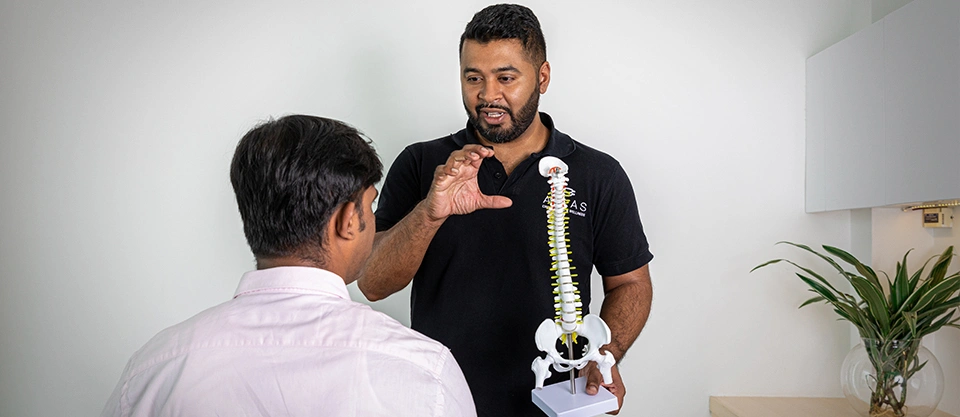
A personalised diabetes care plan considers your medical history, nutritional needs, daily routine, physical activity and treatment goals. Qualified professionals can help you explore suitable services in the following areas.
1. Individualised Dietary Plans
A balanced diet can support blood glucose management, nutritional health and overall well-being. A qualified nutrition professional can develop an eating plan suited to your individual needs. A diet plan for diabetes patient should consider food preferences, nutritional requirements, daily routines and medical circumstances. A personalised diabetic diet plan may include:
- Vegetables, legumes, whole grains and other fibre-rich foods.
- Suitable protein sources and balanced meal combinations.
- Appropriate portions and guidance on carbohydrate intake.
- Practical meal-planning strategies for home, work and eating out.
There is no single diet suitable for everyone with diabetes. A qualified nutrition professional can help tailor dietary recommendations to your treatment plan and preferences.
2. Fitness and Lifestyle Coaching
Regular physical activity can be an important part of diabetes management. Depending on individual health and mobility, suitable activities may include walking, swimming, strength exercises, yoga or other forms of movement.
Lifestyle coaching may help people establish sustainable habits around physical activity, sleep, stress management and daily routines. Lifestyle modification for diabetes may include balanced nutrition, regular physical activity, adequate sleep, stress management and routine medical follow-ups. These habits can complement prescribed treatment and support long-term health.
People taking diabetes medication should consult their treating doctor before making significant dietary or activity changes, particularly if those changes could affect blood glucose levels.
3. Natural and Complementary Wellness Therapies
Some individuals explore complementary therapies alongside conventional diabetes care. Their suitability and evidence vary, so their benefits should not be overstated.
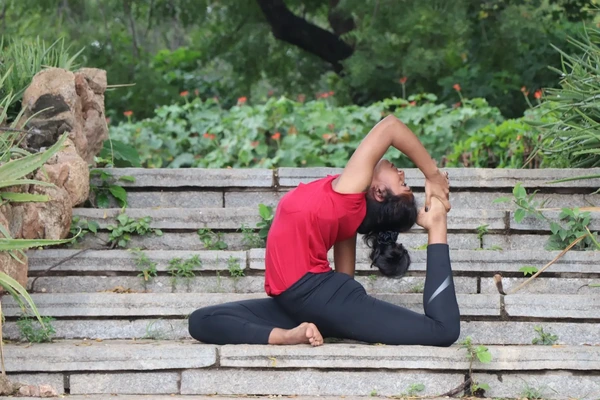
- Yoga therapy: May support flexibility, movement, relaxation and stress management.
- Ayurvedic and Homeopathy : May offer consultations and selected traditional wellness practices. Herbal preparations and homeopathic products may interact with prescribed medication or require professional guidance. Consult a qualified healthcare professional before using them, especially if you are taking prescribed medication.
- Massage therapy: May support relaxation and relieve muscular tension when appropriate. Additional precautions may be necessary for people with reduced sensation or circulation problems.
- Acupuncture: May be explored for certain symptoms or general well-being, but should not be presented as an established treatment for diabetes itself.
These therapies should complement, not replace, medical treatment, blood glucose monitoring or prescribed medication.