Beyond the Morning Fog: How HBOT Supports Breathing & Recovery During Bangalore’s Pollution Spikes
From breathing ease to faster healing — how HBOT provides deeper support during Bangalore’s winter pollution spikes.
Written by

WG
Editorial Team
Is Bangalore starting to feel like Delhi or Noida during winter mornings?
What appears as mist is increasingly pollution trapped in cooler air. In recent seasons, PM2.5 spikes have become common across areas like Koramangala, Silk Board, KR Puram, Hebbal, and Whitefield—making poor air quality a regular part of city life.
This blog examines when Hyperbaric Oxygen Therapy (HBOT) may be relevant during severe smog—not as a routine wellness trend, but as a medically supervised support for select cases of pollution-related fatigue and breathing strain.
It clarifies who may benefit, who should avoid it, and what HBOT cannot do, while placing oxygen support within a broader approach that includes respiratory awareness and lifestyle care.
Wellness Garden, as a digital wellness platform that connects you to navigate these choices clearly and connect with trusted HBOT centres across India only when appropriate.
Breathing in Bangalore: Silent Killer on Wheels
Bangalore ranked 25th in the Swachh Vayu Survekshan 2023 rankings, highlighting the urgent need to address pollution. During the 2024–25 winter season, PM2.5 levels often crossed moderate and poor thresholds, with RVCE peaks reaching 141 µg/m³, showing how quickly air quality can deteriorate in busy corridors.
Rapid urban growth, increased vehicles, and ongoing construction have worsened pollution. In 2019, Bangalore was among India’s cleanest cities, but by 2025, the average AQI stood at 132 (unhealthy for sensitive groups). A 2019 study estimated around 80,000 deaths in Bengaluru due to rising PM2.5 and PM10 levels, and recent research shows 35% of children have asthma, with 80% of those under five frequently experiencing wheezing.
Dr. Leelamohan PVR, consultant at Padithem Health Care and Practo, Bengaluru, recommends N95 masks, AQI monitoring, and indoor purifiers. Yet, many find these measures alone do not fully relieve smog-related fatigue, breathlessness, or low energy.
To support breathing naturally, urban residents are turning to yoga, pranayama, and meditation. Hyperbaric Oxygen Therapy (HBOT) is also gaining attention. Unlike masks or breathing exercises, HBOT provides medically supervised sessions that increase oxygen availability deep in the body, offering targeted support for those affected by seasonal pollution.
Oxygen Support in the Age of Smog: How HBOT Helps
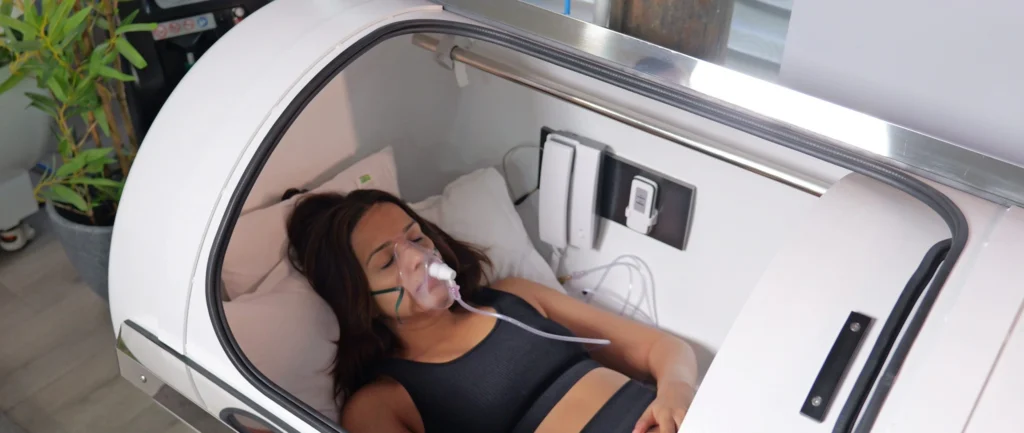
Oxygen therapy is familiar to many — using masks or nasal cannulas to ease breathlessness or fatigue. These methods provide only short-term relief, mainly by supporting oxygen at the lung level. While hyperbaric oxygen therapy (HBOT) goes further, medically approved and supervised, HBOT is recognized worldwide for conditions like chronic wounds, radiation injuries, carbon monoxide poisoning, and slow-healing tissue damage, including support during high-pollution periods and recognized by Hopkins Medicine.
How HBOT Works:
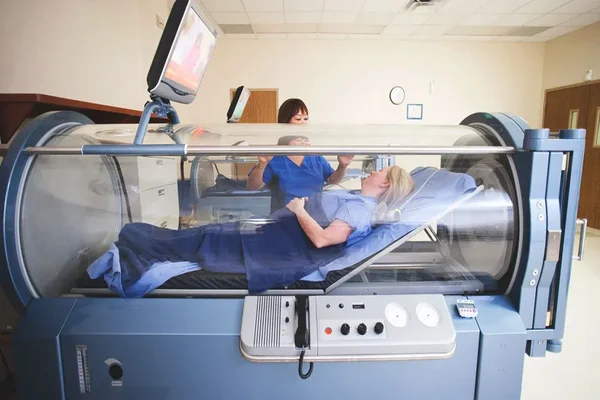
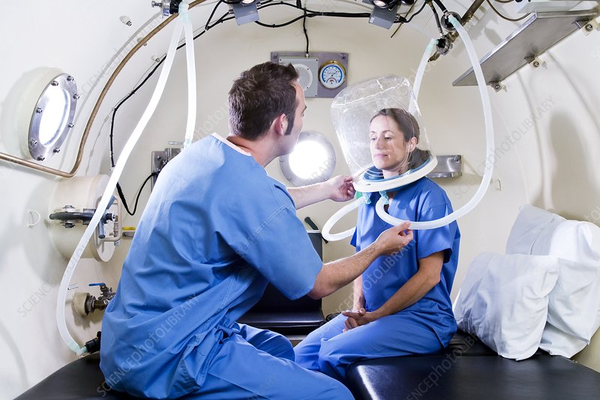
- You sit in a pressurized chamber breathing 100% oxygen.
- Pressure is typically 1.5–3 times normal atmospheric levels.
- Oxygen dissolves into the blood plasma, reaching tissues that normal breathing cannot.
- Supports tissue repair, reduces inflammation, and aids cellular-level recovery.
Oxygen Therapy vs. HBOT:
- Oxygen Therapy: Provides immediate relief for breathlessness.
- HBOT: Delivers systemic oxygenation for deeper recovery and tissue repair.