Benefits of Pilates for Women in Bangalore: A Natural Approach to Hormonal Health
Boost core strength, ease hormonal discomfort, and feel energized with benefits of Pilates for women in Bangalore.
Written by

WG
Editorial Team
Reviewed By: Dr. Govinda Raju Srinivas, BPt, Msc, PhD
Pilates is a low-impact exercise designed to strengthen the core, improve posture, and support hormonal balance—making it especially beneficial for women experiencing menstrual cramps, PMS, or menopausal discomfort. Research highlights its physical, emotional, and mental benefits, helping women feel more energised and balanced.
In this blog, discover how certified Pilates experts guide you step by step to enhance benefits of pilates for women, combining mat and machine exercises with complementary therapies to deliver tangible results. At Wellness Garden, we connect you to these experts—online, at wellness centres, or even at home—ensuring personalized care for hormonal wellness and overall vitality.
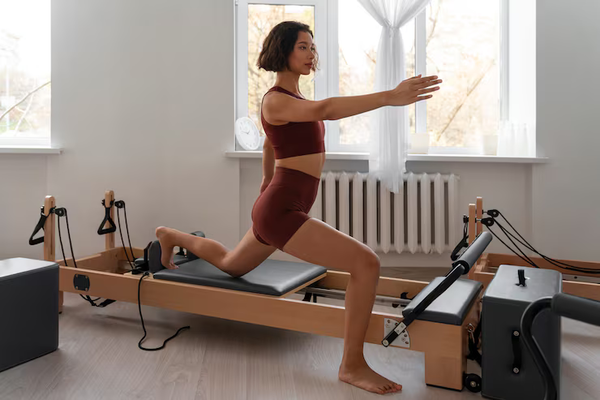
Pilates for Women in Bangalore: Boost Hormonal Health & Vitality
Hormonal health is an increasingly important topic, especially for women navigating different life stages—from menstrual cycles to pregnancy, perimenopause, and menopause. Hormonal balance is closely connected to how we move, breathe, and manage stress, making mindful exercise an essential part of overall wellness.
At Wellness Garden, we believe that movement is medicine, and Pilates is one of the most effective tools to naturally balance hormonal symptoms while enhancing overall vitality, posture, core strength, and mental clarity. It can also significantly reduce muscle tension and promote relaxation, explains Pilates instructor Dr. Vajjala Shravani. Pilates offers a holistic solution suitable for everyone, regardless of age, fitness level, or body type. Developed in the early 20th century by Joseph Pilates, a German physical trainer, it was originally designed to help dancers and athletes strengthen their bodies and improve flexibility, but today it is widely practiced by people of all fitness levels. A study published in the Physiology and Behaviour Journal examined the effectiveness of a few weekly Pilates sessions and highlighted improvements in muscle control, flexibility, and overall well-being.
It includes multiple types of practice—such as mat Pilates, Reformer Pilates, Cadillac, Chair, and Tower exercises—that can be customized to individual needs, ensuring effectiveness for all fitness levels and body types. As Mira, a Pilates expert with over 20 years of experience, explains, even 20 minutes of mindful Pilates movement can promote deep relaxation, help manage hot flashes, night sweats, and sleep disturbances, and support emotional well-being by alleviating anxiety, irritability, and low mood.
How Pilates Works for Hormonal Pain: Step-by-Step Guide
As per a NIH study , Pilates has been shown to improve core strength, posture, and musculoskeletal comfort, making it an effective approach for managing hormonal pain naturally.
1. Initial Consultation and Assessment
Every Pilates journey begins with a detailed consultation. The instructor discusses your symptoms, lifestyle, and goals to design a program tailored to your hormonal needs. Beginners are guided on safe modifications to prevent strain while maximizing benefits.
2. Warm-Up and Breathing Guidance
Sessions start with gentle warm-ups to loosen muscles and joints, paired with breath-focused exercises. Controlled breathing improves oxygen delivery, calms the nervous system, and enhances circulation to the reproductive system—supporting hormonal balance and preparing the body for core exercises.
3. Core Activation and Targeted Exercises
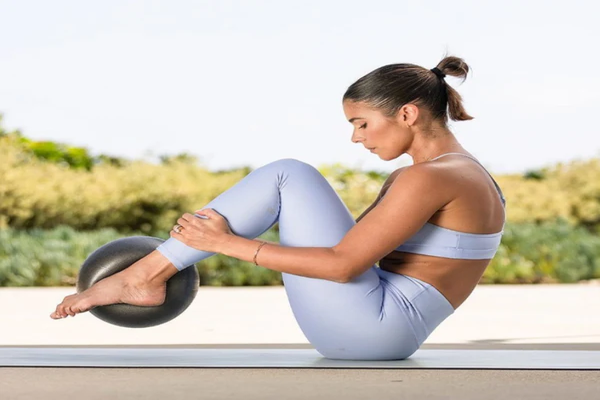
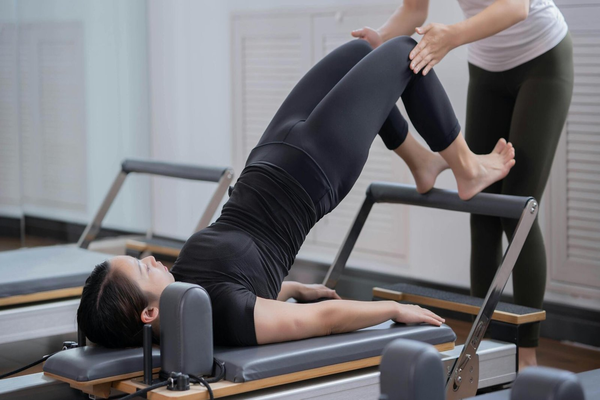
Guided by the instructor, you perform Pilates mat exercises or Pilates machine routines that strengthen the pelvic floor, lumbar muscles, and deep abdominal stabilizers. Movements focus on reducing cramps, lower back pain, bloating, and postural strain. Exercises are progressive, controlled, and customizable for beginners. The combination of stretching, resistance, and core engagement restores alignment, flexibility, and cyclical comfort.
4. Session Frequency & Duration
Most programs recommend 2–3 sessions per week, lasting 45–60 minutes each. Beginners may start with shorter sessions and gradually increase intensity. Both online Pilates classes and in-person sessions are available, offering flexible options for modern schedules.
5. Progress Tracking & Follow-Up
Progress is monitored through instructor feedback, self-assessments, and movement evaluations. Exercises are adjusted based on improvements in flexibility, strength, and hormonal symptoms to ensure continuous benefits.
6. Expected Outcomes & Lifestyle Integration
With consistent practice, Pilates alleviates menstrual cramps, lower back pain, and postural strain. It enhances circulation, core stability, and mobility while supporting emotional well-being and hormonal balance. When combined with complementary therapies and lifestyle guidance, Pilates becomes a sustainable solution for long-term hormonal wellness. Beginners may notice relief within weeks, and ongoing practice supports overall vitality and daily comfort.
Note: Pilates is most effective when combined with complementary therapies such as Ayurveda, yoga, nutrition counseling, mindfulness practices, and physiotherapy. This integrative approach promotes long-term hormonal balance, reduces pain, improves mobility, and supports overall wellness.