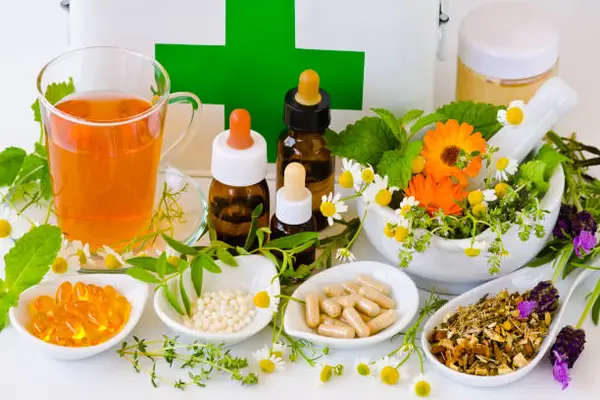
Mood Swings Got You Down? Try Ayurvedic Treatment for Menopause with Herbs
Is menopause making life a challenge? You deserve to feel your best. Discover how simple, Ayurvedic treatment for menopause can help you navigate this phase with ease and grace.
Written by

WG
Editorial Team
Reviewed By: Dr. Arvind Lokare, BAMS
Learn about clinically-studied herbs that can ease hormonal transitions.
We all know that menopause is something every woman experiences, and it can bring a mix of feelings—sometimes tough to handle. You might have tried different medicines and treatments, but natural options like herbal remedies could be a great way to find relief.
These ayurvedic treatment for menopause are becoming more popular because they offer a gentle approach to easing symptoms. So, let’s dive into some common menopause challenges and see how herbal remedies might help you feel better during this time.
Introduction
According to WHO report, menopause age in India is between 45-55. It’s a time when your body undergoes hormonal changes, ending the menstrual cycle which leads to various symptoms, including mood swings. While this period can bring some ups and downs, it’s important to remember that you’re not alone. This phase of life often comes with many responsibilities, but there are gentle, natural ways to find relief.Let’s explore some natural options that might make your journey through midlife transition a bit easier and more comfortable.
Your 40s are a time when life’s pressures can be greatest. Balancing work, family, and personal responsibilities can be overwhelming. According to Dr. Nazanin E. Silver, all of this stress can add to mental health, making the mood swings of the perimenopause stage even more intense something.The combination of hormonal changes and life stress can create a unique impact on your mood and overall well-being.
Stages
Perimenopause, menopause, and postmenopause are the three stages of the menopause. Every stage has a unique set of tough times and indications:
- Perimenopause: This period of transition, which comes before menopause, is defined by abnormal periods and signs like mood swings and hot flashes. At this stage, hormonal shifts can be especially strong.
- Menopause: The next step, that marks the end of the reproductive process. While irritability and periodic hot flashes could continue, the main sign is the end of menstruation from the last 12 months..
- Postmenopause: Declining hormone levels after the menopausal period can result in a number of health issues. Hot flashes, for example, can be reduced. During this phase, it’s critical that you focus on protecting overall wellness.
Common Menopause challenges or symptoms
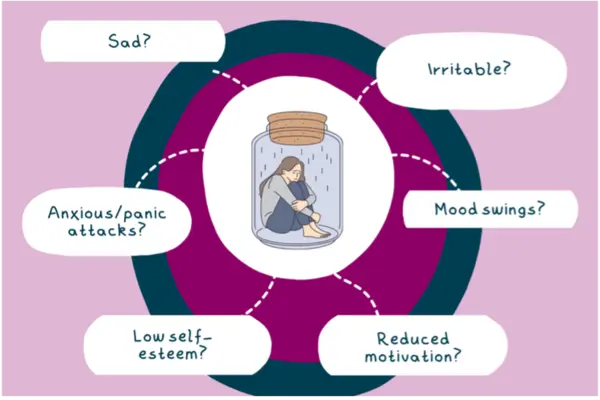
During menopausal transition, your hormones go through a lot of changes, and this can really affect your mood specially. When your hormones-estrogen and progesterone levels drop, it can mess with the brain chemicals that help keep your emotions in check. This can make you feel more irritable or sensitive. You might also notice that you’re more prone to feelings and find it harder to stay calm or other symptoms:
- Mood Swings: The emotional rollercoaster can make you feel like you’re losing control. One moment you might feel happy, and the next, you’re sad or angry for no clear reason.
- Hot Flashes: Sudden waves of heat that can leave you sweating and uncomfortable, often at the most inconvenient times.
- Night Sweats: These can disrupt your sleep, leaving you tired and cranky during the day.
- Sleep Problems: Insomnia and restless nights are common, making it hard to feel rested and energized.
- Fatigue: Constant tiredness can make it difficult to get through the day, affecting your work and personal life.
- Anxiety and Depression: Hormonal changes can lead to feelings of anxiety or depression, making everyday tasks feel overwhelming as per a report of John Hopkins.
We know it can feel tough, and each of you experiences it differently. The physical and emotional challenges can be unique, and it’s not just about the symptoms themselves but how they affect your daily life. The tiredness, mood swings, and anxiety can make even simple tasks feel like climbing a mountain and it can be frustrating when others don’t quite get what you’re going through.
But remember, it’s just a phase in your life. Do self-love and understand that this is something many females face can help make it easier. With the right support and natural ways to ease the symptoms, you can navigate this time more comfortably with some natural remedies.