Ayurveda for Hormonal Pain: Balancing Cycles, Easing Discomfort Naturally
Curious how Ayurveda for Hormonal Pain can ease cramps, balance cycles, and reduce PMS naturally? Discover simple, effective solutions for women’s health.
Written by
Reviewed by



Dr. Arvind Lokare, Dr. Krishnan Narayana Pisharody, Dr. Rudresh
Integrative Physician · Spine & Pain
Ayurveda for Hormonal Pain: Balancing Cycles, Easing Discomfort Naturally
Reviewed By: Dr. Geetha Kamath, BAMS
Hormonal pain — whether it’s menstrual cramps, ovulation discomfort, or body aches linked to PMS, PCOS, or menopause — is more than a monthly inconvenience. It can affect mood, energy levels, digestion, and even sleep quality. Ayurveda offers a gentle yet powerful approach to managing hormonal pain by addressing the root imbalances, calming inflammation, and restoring harmony to the reproductive system.
Ayurveda for Hormonal Pain: A Root-Cause Approach to Healing
In Ayurveda, hormonal pain is often linked to an imbalance in Vata and Pitta doshas. Disturbed Vata can cause spasms, sharp pains, and irregular cycles, while aggravated Pitta can bring inflammation, heat, and irritability. In conditions like PCOS, excess Kapha can lead to sluggish circulation and fluid retention.
Instead of masking symptoms with painkillers, Ayurveda works to realign the body’s natural rhythms through herbs, oils, diet, and lifestyle practices that target the root cause.
Dr. Dixa Bhavsar Savaliya (BAMS), an Ayurvedic physician and hormonal health specialist with a strong online presence focused on women’s wellness, shares:
Hormonal pain often signals deeper imbalances. When therapy is tailored — from herbs to daily routines — women experience not just relief, but true harmonization of their cycles and well-being.
Ayurveda’s approach helps not only with pain relief but also with regulating cycles, easing mood swings, and improving fertility in a natural way.
How Ayurvedic Treatment for Hormonal Pain Works: A Step-by-Step Guide
At Wellness Garden, our partnered Ayurvedic experts personalise each step to match your body type, cycle stage, and health history, ensuring care that’s truly tailored to you.
1. Consultation & Assessment
The journey starts with a detailed discussion of your symptoms, cycle patterns, digestion, sleep, stress levels, and medical history. Your practitioner also identifies your dominant dosha and any imbalances affecting reproductive health.
2. Customised Treatment Plan
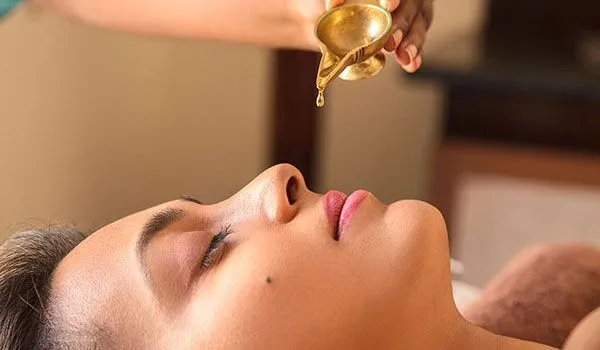
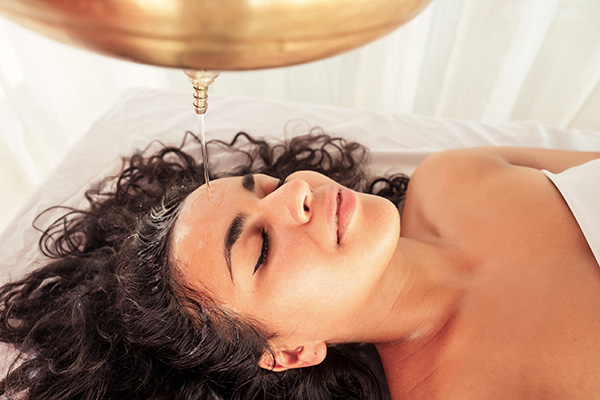
Depending on the root cause, treatment is tailored to the root cause of hormonal discomfort. Therapies may include Abhyanga (warm oil massage to relax muscles), Udwarthanam (herbal powder massage for Kapha balance), Basti (herbal enema for Vata regulation), or Nasya (nasal therapy to support hormonal balance). Alongside these, a personalised diet plan and herbal teas, such as Shatavari and Ashoka bark decoctions, help naturally support hormone regulation, digestion, and overall reproductive wellness.
Treatments like Kati Vasti (warm oil on the lower back), Pinda Sweda (herbal bolus massage), or Nadi Sweda (steam therapy) gently improve circulation to the pelvic area, relax the uterus, and ease cramps. These sessions calm the nervous system while addressing deep-rooted tension.
4. Frequency & Duration
Most women benefit from 2–3 sessions a week for 3–6 weeks, depending on the severity and frequency of pain. Supportive diet and lifestyle guidance continues alongside.
5. Follow-Up & Long-Term Relief
As hormonal balance improves, many women notice not just reduced pain but also lighter cycles, better moods, and improved energy. Adjustments in therapy and lifestyle are made based on progress.
Aftercare & Precautions: Post-therapy, it’s best to rest, stay warm, and avoid cold foods or drinks for 24 hours. Gentle yoga or stretching can help circulation. If you are pregnant, have heavy bleeding, or a diagnosed reproductive condition, your practitioner will adapt the treatment plan for safety.