Experience the Advantages of Cupping Therapy: How It Restores Hormonal Balance Naturally
Experience the advantages of cupping therapy, a natural way to relieve hormonal discomfort, support menstrual health, ease PCOS symptoms, and boost energy.
Written by
Reviewed by



Dr. Arvind Lokare, Dr. Krishnan Narayana Pisharody, Dr. Rudresh
Integrative Physician · Spine & Pain
Experience the Advantages of Cupping Therapy: How It Restores Hormonal Balance Naturally
Reviewed By: Dr. Rudresh, MD Acu, BDS, DM Chiro (Sweden), CDC (USA)
“Healing begins when we let nature take the lead.”
Have you ever wondered how traditional therapies can still make a difference in modern life, especially for women facing hormonal challenges from today’s fast-paced lifestyles?
Cupping, rooted in traditional Chinese and Middle Eastern medicine, has long been used to ease menstrual discomfort, PCOS, and other hormonal concerns. By placing small glass cups on targeted hijama points using vacuum cupping techniques, it helps you feel lighter, more energised, and restored under expert guidance. At Wellness Garden, a Bangalore-based digital holistic platform, we offer the advantages of cupping therapy through a personalised, caring approach. With over 600 specialists in natural mind-body treatments, each session is tailored to your schedule and unique needs, ensuring safe, effective, and nurturing steps toward lasting wellness.
Cupping for Hormonal Balance: An Ancient Healing Practice
With busy schedules, urban stress, and endless responsibilities — at work, at home, and in their personal lives — many women are noticing early signs of hormonal imbalance. These may begin as irregular cycles, painful cramps, sudden weight changes, acne flare-ups, mood swings, or persistent fatigue. For some, these indicators may point to early PCOSor premenopause. At first, it’s easy to dismiss them as part of a hectic routine, but over time, they can quietly impact confidence, energy, and overall mental well-being.
This growing awareness has led many people to explore natural therapies that support health without adding further strain. One such practice is cupping therapy, originating in China and West Asia, it was refined by renowned herbalists such as Ge Hong. The Islamic Prophet Muhammad also recommended cupping, referring to it as hijama, highlighting its longstanding significance.
Historically, cupping began with hollowed-out animal horns used to treat boils. Over the centuries, it became a key part of Traditional Chinese Medicine, addressing pain, enhancing circulation, and promoting overall wellness. The practice was also widely adopted in Europe and America until the 1800s, demonstrating its global influence and enduring relevance.
Step-by-Step Guide: How Cupping Therapy Works for Hormonal Pain
Cupping therapy is carried out in clear stages, each designed to release tension, improve flow, and restore vitality. The session moves from consultation to planning, cup placement, and follow-up care guided by skilled practitioners—including acupuncturists, chiropractors, massage therapists, or physicians—the process offers targeted relief from hormonal pain while supporting long-term wellness.
Step 1: Consultation and Assessment
The process begins with a detailed consultation in which the practitioner reviews your health history, lifestyle, and current symptoms. Early signs such as irregular cycles, fatigue, menstrual discomfort, or hormonal fluctuations are carefully evaluated. This assessment ensures that the most suitable cupping method is chosen and helps establish realistic expectations for the outcomes.
Step 2: Identifying Hijama Points
After assessing your symptoms, the practitioner pinpoints hijama points linked to hormonal regulation. Common areas include the lower abdomen for reproductive support, the lower and upper back for organ function, and the thighs to stimulate metabolism. Cups may also be placed on the shoulders, the junction of the neck and upper back, or other regions where stress accumulates. These locations influence reproductive organs, adrenal glands, and energy pathways, helping relieve discomfort and support overall vitality.
Step 3: Treatment Session and Cup Placement
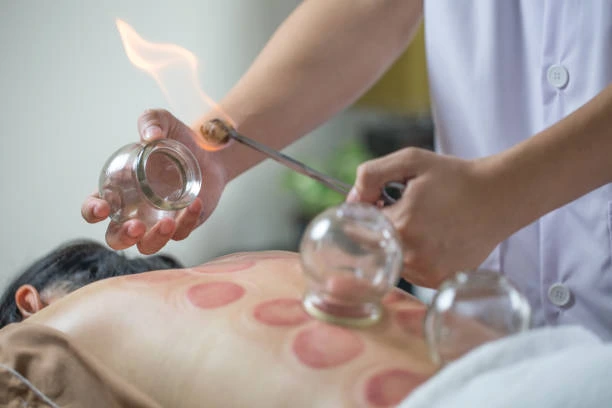
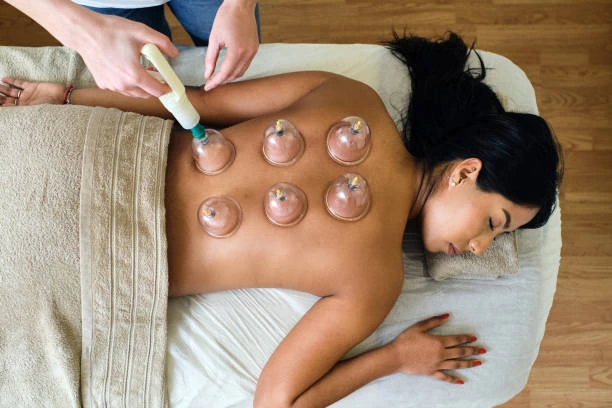
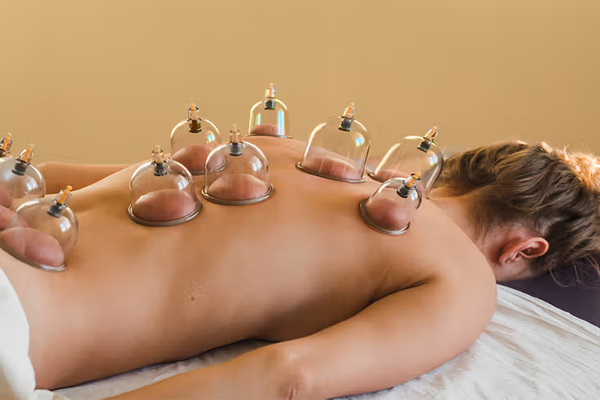
With the points mapped, the therapy session begins. Cups made from glass, bamboo, silicone, ceramic, metal, or plastic are carefully applied to the targeted areas. Traditionally, the cup is often heated with fire using alcohol, herbs, or paper placed directly inside to create a vacuum. In modern practice, many practitioners now use rubber pumps to generate suction, offering a gentler and more controlled approach.
The practitioner may perform dry cupping, which relies solely on suction to stimulate tissue perfusion, or wet cupping (Hijama), which involves small micro-incisions followed by suction to remove stagnant fluids and metabolic waste. Cups can also target major acupressure points to support digestion, skin health, and overall vitality, making the treatment holistic in its approach.
Step 4: Frequency and Post-Care
After the first session, a schedule is created to maintain results, usually once a week or every two to four weeks depending on symptom severity and response. Each cup is held for 5–10 minutes, with the full session lasting 20–30 minutes. Practitioners monitor progress and adjust cup placement, suction, or session duration as needed. To support recovery, stay well-hydrated, avoid strenuous activity, and refrain from hot showers, saunas, or swimming immediately after the session.
Step 5: Follow-Up and Long-Term Support
Follow-up appointments allow the practitioner to evaluate results and refine the therapy plan. Complementary practices such as yoga, targeted breathing techniques, and dietary adjustments may be recommended to reinforce long-term effects. These measures support overall wellness, addressing hormonal concerns as well as related conditions such as arthritis, including rheumatoid arthritis, back, neck, shoulder, and knee pain, asthma, and other respiratory issues. This approach helps maintain energy, relieve discomfort, and promote lasting vitality.