Unlocking Relief: How Acupuncture Therapy Helps Manage Neurological Pain
Neurological pain holding you back? Acupuncture therapy, a natural and effective treatment , can provide relief. Ready to reclaim your life?
Written by
Reviewed by



Dr. Arvind Lokare, Dr. Krishnan Narayana Pisharody, Dr. Rudresh
Integrative Physician · Spine & Pain

Unlocking Relief: How Acupuncture Therapy Helps Manage Neurological Pain
Reviewed By: Dr. Rudresh, MD Acu, BDS, DM Chiro (Sweden), CDC (USA)
Acupuncture therapy is known as an important part of Traditional Chinese Medicine, which shows its effectiveness in managing neurological pain such as headache and migraine, facial pain, sciatica and neuropathy. NCCIH acknowledges that it could work for chronic pain. Neuropathy is treated with local points to directly alleviate symptoms and distal points that regulate the flow of energy. With both approaches, it strengthens Qi, which is in another word, the body’s life energies, for both quick relief and long-term healing.
The Process of using Acupuncture therapy for Neurological pain
Here are the simple steps involved in acupuncture therapy for relieving neurological pain are as follows:
Consultation and Assessment
First, a comprehensive consultation precedes acupuncture therapy. Patients should have available any relevant medical records of their neuropathy or neurological pain, which the practitioner then uses as a guide for developing a treatment plan. An acupuncturist will want to review symptoms and past history; lifestyle habits should be discussed with the patient as well. Loose-fitting clothing is preferred, and arrival 10-15 minutes prior is suggested to make time for paperwork.
The practitioner tailors the therapy after the assessment with regard to the patient’s specific pain points. Acupuncture points are selected close to the area of pain and at other places to ensure that energy flows all over the body. This tailored approach is more of immediate relief while supporting overall healing.
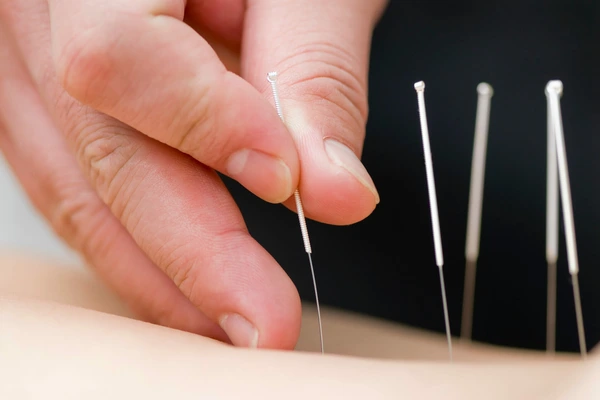
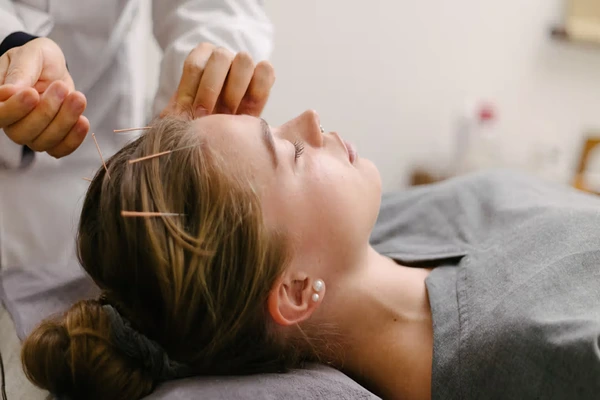
The acupuncturist will position fine, single-use needles into the selected points in this step. The patient might experience a little tingle if the needles stimulate the body to release endorphins, improve its blood circulation, and reduce inflammation-the same essential mechanisms helping initiate the body’s natural healing processes.
A session of acupuncture usually lasts 40 minutes. Depending on the specific condition or needs of a patient, the duration of treatment may vary. The practitioner will provide several sessions taken over a couple of weeks and then follow-up sessions as required to achieve long-term alleviation.
Patients can expect gradual pain relief and improved energy flow after each session. Regular follow-ups are important for ongoing results and allow the practitioner to make adjustments to the treatment plan. This phase is flexible to meet each patient’s unique needs for optimal outcomes.