Dahi yogurt: The probiotic powerhouse
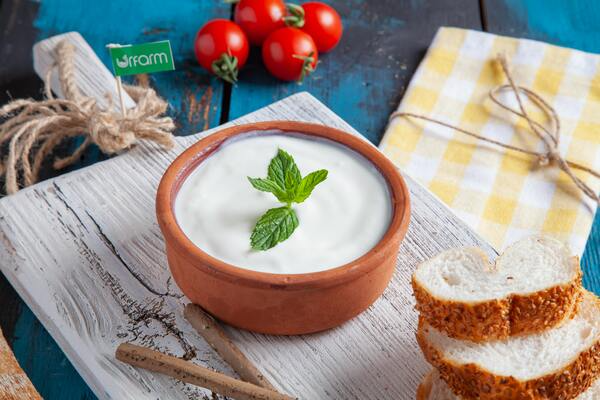
Probiotics are good gut microbes that are present in yogurt, sometimes referred to as dahi in Hindi. These probiotics support a gut flora that is healthy and necessary for immunological response, digestion, and general health. Here are a few possible health advantages of yogurt:
- Digestive Health: Yogurt’s probiotics can mitigate the signs and symptoms of a condition known as irritable bowel syndrome (IBS), minimize bloating, and assist in balanced digestion.
- Immune System Help: A robust immune system is associated with a healthy gut flora. Yogurt can strengthen the defenses of your body.
- Rich in nutrients: Protein, magnesium, and vitamin D—all important for healthy muscles, and general well-being—can be found in yogurt.
- Lowers Cancer Risk: Yogurt is recognized to have anti-carcinogenic qualities and help shield the body against breast, bladder, and colon cancers.
- Beneficial to Bones: Yogurt is a great way to strengthen your bones because it’s high in calcium. eating yogurt bone density and resilience.
- Low-Calorie Option: Including yogurt in your diet can help you cut calories. For the lowest calorie choice, go with plain yogurt and add some fresh fruit of your own for taste.
Mung Beans or Moong Dal
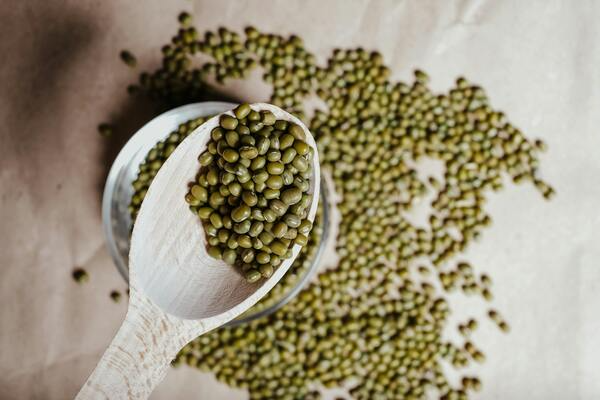
The modest legume mung beans are incredibly nutritious. They are abundant in nutrients such as vitamins and minerals, and a full supply of plant-based protein. The Journal of Agricultural and Food Chemistry recently published a study that examines the advantages of eating mung beans.
- Blood Sugar Control: Mung beans may help with your blood sugar control since they feature a low glycemic index, which means that they release sugar into your system gradually.
- Gastrointestinal Health: Mung legumes’ high fiber content supports a healthy digestive system and gut flora. They also contain prebiotics, which support the growth of beneficial microbes in your digestive system.
- Weight Management: Due to their inherent low calorie and fat content, mung beans are an excellent option for maintaining a healthy weight.
- Lowering blood pressure may be aided by mung beans. They’re a wonderful source of magnesium, fiber, and calcium. One of these nutrients has been associated in studies with a greatly reduced risk of having elevated blood pressure.
- It is recommended that pregnant women consume a lot of foods high in iron. The mineral folic is necessary for your child’s best possible development and advancement.
Turmeric, the Golden Warrior (Haldi)
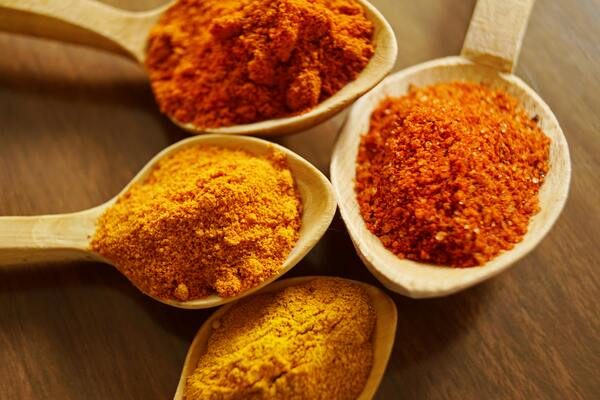
Not only is turmeric, the vivid yellow spice that has been a mainstay in Indian kitchens for generations, great in curries (sabzi). Curcumin, a bioactive component of it, has strong anti-inflammatory and antioxidant properties. In Indian traditional food, turmeric—known as haldi in Hindi—has a special place. It is more than simply a spice; it is a representation of prosperity and fulfillment. Turmeric symbolizes the close relationship that Indian tradition has between food and wellness, as it is used in religious rites and as an organic disinfectant. Turmeric is quite simple to consume when cooking indian traditional food, according to Dr. Nithiya Palaniappan, a consultant obstetrician, and gynecologist at Mumbai’s Kokilaben Dhirubhai Ambani Hospital in report.
Curcumin appears to be effective in treating several illnesses, according to studies listed in the National Institutes of Health (NIH) database:
- Inflammation that persists plays a major role in heart disease. The anti-inflammatory qualities of curcumin may aid in reducing artery inflammation, thereby reducing the risk of a stroke or heart attack.
- Alzheimer’s disease condition: Studies suggest that curcumin may enhance cognition as well as memory, hence delaying the onset of the condition.
- Research indicates that curcumin may be able to regulate the growth and proliferation of cells, which may have implications for the detection and treatment of cancer.
- Low-Calorie Option: Turmeric has a low-calorie content by nature. Use sources of lean meat in your curries, such as fish or chicken breast, to make a low-calorie meal. Minimize back on the extra oil and concentrate on veggies to gain more fiber & quantity.
Ghee: Clarified Butter (Shuddha Ghee)

The refined butter created from cow’s milk is called ghee and is a mainstay of Indian cooking. Ghee is a great alternative for people who are lactose intolerant because the clarifying process eliminates casein and lactose. In Indian cookery, ghee—also known as Shuddha Ghee in Hindi—is essential. Because of its high flame point, it can be tempered (tadka), which gives food more flavor and fragrance. Ghee’s powerful taste complements veggies (sabzi), sweets (mithai), and lentil dishes (dals). The possible health advantages of ghee are as:
- Good Fats: Conjugated linoleic acid (CLA), a fatty acid associated with better body composition and less inflammation, is abundant in ghee.
- Ghee is a nutrient powerhouse because it contains vitamins A and K, which are vital for strong bones, immunity, and eyesight.
- Uses for Cooking: Ghee imparts a nutty flavor to food and is perfect for high-heat cooking (tadka) because of has a high point.
Sprouted Grains: A Nutrition Powerhouse
Whole cereal grains that have developed are called sprouted grains. Through this technique, the antioxidants, minerals, and vitamins become more available and their buried nutrients are revealed. Grain sprouts may provide several health advantages:
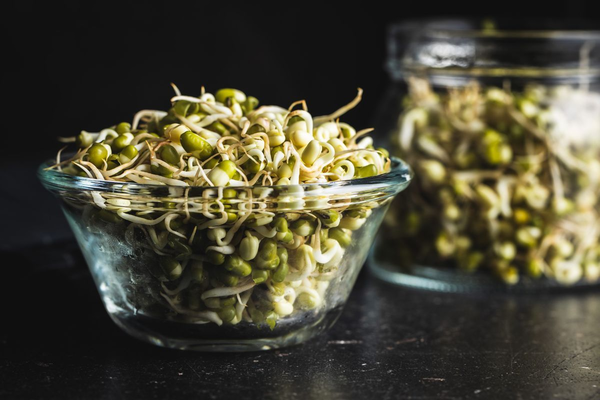
- Increased Nutrition: When compared to unsprouted grains, sprouting raises the amounts of nutrients, vitamins, and antioxidants.
- Enhanced Digestibility: Complicated Grain polysaccharides are broken down during the sprouting process, which facilitates better nutrient absorption and digestion.
- Potential Advantages for Blood Sugar: Research indicates that sprouting grains may help control blood sugar levels since they have less glycemic index than unsprouted grains.
- For added protein and fiber, try adding sprouted grain like quinoa or mung beans. Adding sprouted brown rice or millet to soups and stews can enhance the taste and dietary value.
Note
As Indians combine a variety of spices with therapeutic qualities and high in nutrient components traditional Indian cuisines are extremely beneficial to health. Whole grains, tandoori chicken, saag, chickpeas, dal, turmeric milk, yogurt, and other dishes offer essential nutrients, antimicrobial agents, and anti-inflammatory components that promote general well-being and good health. These Indian traditional foods are important for maintaining optimal wellness through a balanced diet.
Better Healing Through Holistic Traditions
Indian wellness traditions have long embraced natural therapies that nurture body, mind, and spirit. At Wellness Garden, we blend this ancient wisdom with modern holistic techniques to address your unique health and wellness needs.
Our approach integrates body therapies, mindfulness, nutrition, and personalised care to help you overcome physical pain, mental stress, and life’s challenges—supporting you on your path to lasting balance and vitality.
Connect with our trusted experts across India and begin your journey toward holistic healing and improved well-being today.
FQAs
1. Which Indian spices are considered superfoods?
Turmeric, ginger, cumin, and cinnamon are popular Indian spices known for their health benefits.
2. Can Indian traditional foods help in managing chronic diseases?
Yes, many traditional foods have properties that support heart health, reduce inflammation, and improve digestion.
3. How can I include these superfoods in my daily diet?
Incorporate them through dals, vegetable curries, whole grains, and spiced teas like turmeric latte or ginger tea.
4. Are Indian superfoods suitable for all ages?
Generally, yes. These foods are natural and safe, but specific conditions may require personalized advice from nutrition experts.
5. Where can I learn more about Indian traditional superfoods and recipes?
Wellness Garden offers expert blogs, personalized diet plans, and workshops focused on Indian superfoods and holistic health.