Top 7 Powerful Indian Herbs for Daily Wellness and Natural Healing
The following Ayurvedic herbs and spices have some supporting evidence suggesting they may benefit different aspects of health and wellness, especially when combined with personalized expert sessions through Wellness Garden.
1. Ashwagandha – For Stress Relief and Thyroid Support
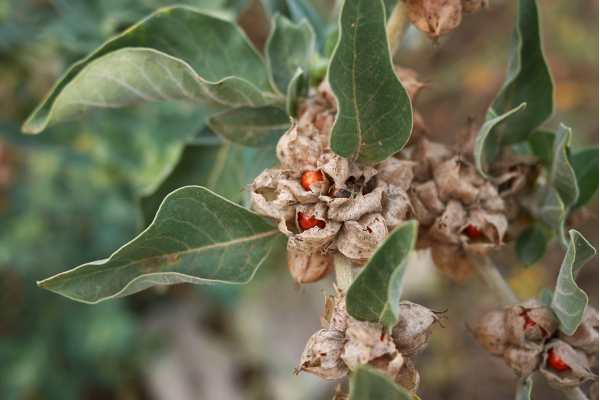
Ashwagandha is a woody plant native to India and northern Africa, prized for its adaptogenic qualities in Ayurveda. Research shows it helps reduce stress and anxiety and supports thyroid health, making it beneficial for those with hypothyroidism.
How to Use:
- Traditionally mixed with warm milk or water to enhance absorption and calming effects.
- Available in capsules and tinctures for convenient daily use.
- Typically taken in the morning or before bedtime.
2. Turmeric – For Joint Health and Immune Boosting
Turmeric is a bright yellow spice commonly used in Indian cooking and Ayurvedic medicine. Studies have shown that turmeric possesses anti-inflammatory, antioxidant, antibacterial, antiviral, and antiparasitic properties. Its active compound, curcumin, supports joint health, boosts immunity, and promotes healthy skin.
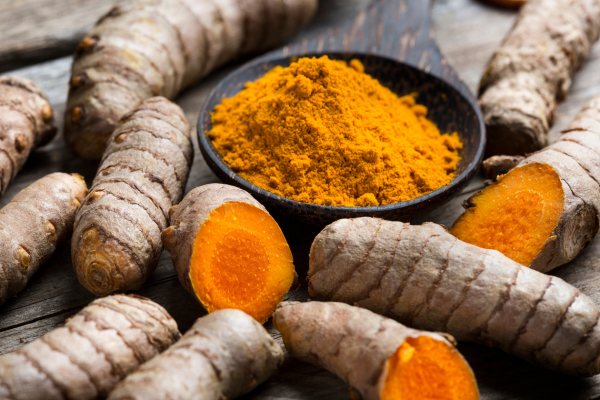
- Use ½ to 1 teaspoon of high-quality, organic turmeric powder or 1-2 inches of fresh turmeric root daily for best results.
- Add to curries, teas, or prepare golden milk by mixing with warm milk and a pinch of black pepper to enhance absorption.
- Best consumed with healthy fats and black pepper to maximize effectiveness.
3. Tulsi (Holy Basil)– For Metabolic Balance and Immunity
Tulsi, or Holy Basil, is one of the most revered herbs in India and a foundational plant in Ayurvedic medicine. Known for its adaptogenic and immune-supporting properties, Tulsi helps the body cope with physical and emotional stress. Research also indicates that it may help regulate blood sugar levels and support individuals with metabolic concerns, including diabetes.
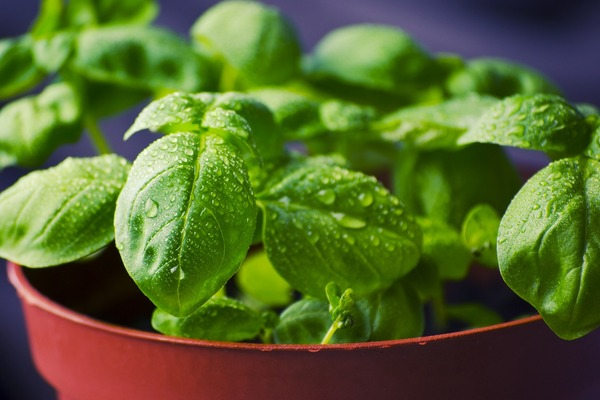
- Take 4–5 fresh Tulsi leaves or 1 teaspoon of dried leaves and steep in warm water to make a calming herbal tea, often enhanced with honey or ginger.
- Also available in syrups, capsules, tinctures, and herbal drops—widely used for immune and respiratory support.
- Use in the morning for energy and focus, or in the evening to promote calm and relaxation.
4. Amla (Indian Gooseberry)-For Digestion and Skin Rejuvenation
Amla is one of the richest natural sources of Vitamin C, known for its strong antioxidant effects. It’s packed with fiber and important minerals like iron, copper, chromium, and zinc. This herb supports better digestion, improves nutrient absorption, and has been linked in some studies to a reduced risk of cancer by protecting cells from damage.
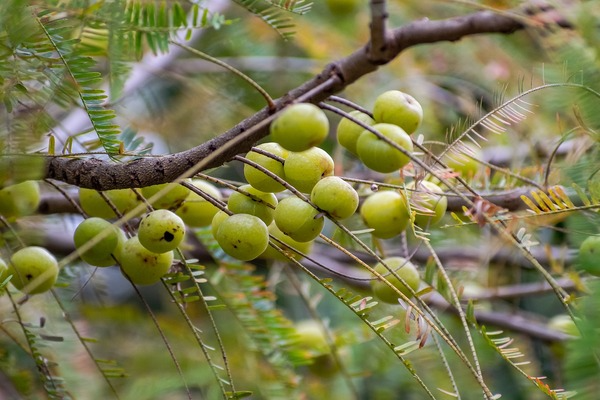
- Amla juice (10–20 ml) can be taken daily, especially in the morning.
- The powder (½ to 1 teaspoon) may be mixed with honey or warm water.
- Also available as dried fruit, candies, capsules, or chyawanprash—safe for both adults and children.
5. Neem-For Detox, Skin Health, and Oral Care
Neem is a powerful detox herb used in Ayurveda to purify the blood, fight bacteria and fungi, and support clear skin and oral health. Its antioxidant and antimicrobial properties help manage acne, eczema, gum issues, and support healthy blood sugar levels.
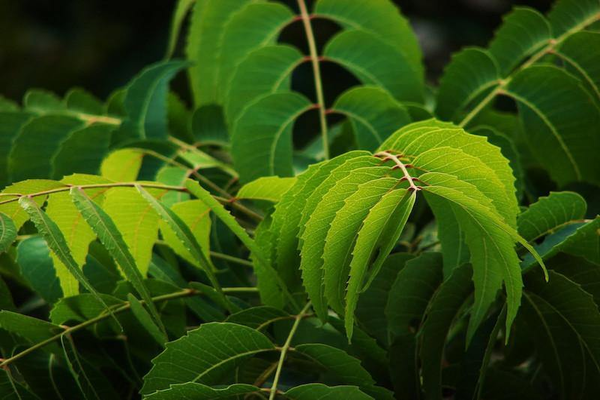
- Take ¼ to ½ teaspoon neem powder with warm water on an empty stomach
- Neem juice (5–10 ml) can be part of your daily detox routine to aid digestion and improve skin clarity
- Also available as capsules, tablets, neem oil (for skin or scalp), and herbal toothpastes.
6. Shatavari-For Hormonal Balance and Reproductive Wellness
Shatavari is a revered Ayurvedic herbs in India known for its rejuvenating and hormone-balancing effects, especially for women. It supports reproductive health, enhances lactation, and helps ease symptoms of PMS, perimenopause, and menopause. Rich in natural phytoestrogens, particularly estradiol-like compounds, it helps balance hormones and supports fertility.
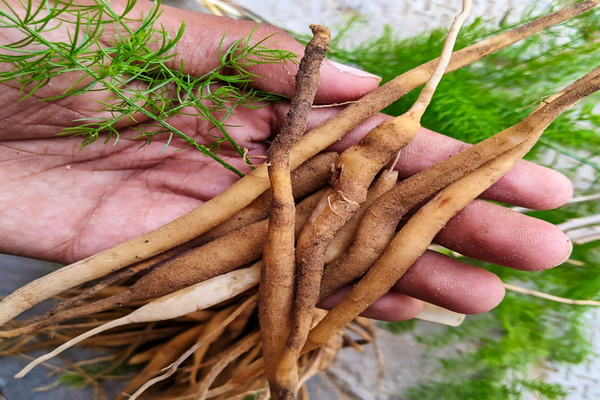
- Mix ½ to 1 teaspoon of Shatavari powder with warm milk or water, ideally taken at night
- Available as capsules or liquid extracts for easy daily use
- Often recommended for women during hormonal changes, after childbirth and menstrual wellness.
7. Brahmi-For Memory, Focus, and Nervous System Calm
Brahmi is valued for improving memory, concentration, and mental clarity. It reduces stress and calms the nervous system while protecting brain cells with its antioxidant effects. This herb supports overall cognitive health and emotional balance.
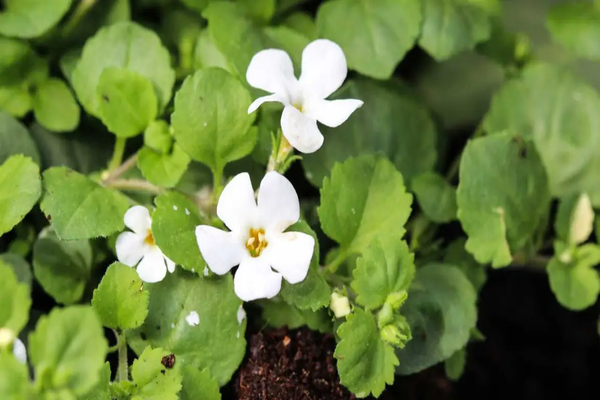
- Take ½ to 1 teaspoon of Brahmi powder mixed with warm water or milk
- Available in capsules, tinctures, and teas for easy consumption
- Ideal for enhancing focus and calming the mind
Combining Indian Herbs with Holistic Therapies at Wellness Garden
Integrating Indian herbs with time-tested natural therapies can significantly boost your overall well-being. At Wellness Garden, several expert-recommended therapies work in harmony with herbal remedies to support the body’s healing, balance, and long-term vitality.
Ayurveda Therapies
Treatments like Abhyanga (herbal oil massage), Panchakarma (detox therapies including Vamana, Virechana, Basti, Nasya, Raktamokshana), and Swedana (herbal steam therapy) use medicated oils and herbal blends to improve circulation, support liver detox, and restore digestive health.
Nutritional Counseling with Herbal Guidance
Our nutrition experts help integrate herbs like Triphala, Ashwagandha, and Guduchi into your daily diet. It supports immunity, balances metabolism, and enhances energy without overloading your system.
Yoga and Meditation with Adaptogenic Herbs
Practices like breathwork and gentle yoga are paired with herbs such as Tulsi and Ashwagandha to lower cortisol levels, improve mood, and strengthen mental clarity—especially helpful for stress, fatigue, and hormonal shifts.
Aromatherapy with Indian Essential Oils
Essential oils from sandalwood, camphor, lemongrass, and turmeric are used to stimulate the senses and calm the nervous system. When paired with herbal teas or topical oils, this therapy deepens relaxation and emotional balance.
Herbal Poultices (Lepa) and Compress Therapies
Warm compresses made from turmeric, ginger, neem, and castor are applied to relieve joint pain, stiffness, or muscle tension. These treatments support lymphatic drainage and reduce inflammation.
Detox and Gut-Cleansing Therapies
Gentle detox programs using herbal decoctions, triphala churnam, or castor oil flushes promote liver function, regular bowel movements, and microbiome balance—key to long-term vitality and skin health.
Precautions for Safe Use of Indian Herbs
If you’re planning to include Indian herbs in your daily routine, begin with small doses and observe how your body responds. To use them safely and effectively, keep the following in mind:
Some traditional herbal blends may carry trace levels of heavy metals, especially if not sourced from trusted suppliers. It’s essential to consult a qualified expert before introducing any new herbs—particularly if you are on prescription medication, dealing with long-term conditions like diabetes or high blood pressure, have autoimmune-related concerns, or are pregnant or nursing.
Start Your Wellness Journey with Nature’s Support
Every health journey is unique—whether you’re navigating physical discomfort, emotional stress, or simply seeking balance in your life. At Wellness Garden, we help you explore natural healing through Indian herbs and holistic therapies that support both mind and body. Our platform connects you with trusted experts for personalized care—be it stress relief, hormone balance, or long-term wellness planning.
Book a session with us and take the next step toward a healthier, more vibrant you.
FAQs
1. Are these herbs safe to use every day?
Most Indian herbs like tulsi, ashwagandha, and turmeric are safe in daily doses—but it’s best to follow guidance from a qualified expert.
2. Can I combine multiple herbs together?
Yes, but combinations should be based on your body type and health goals. Ayurvedic practitioners can help customize blends for you.
3. How long does it take to see results from these herbs?
Herbs of India support gradual, long-term healing. You may notice subtle improvements in sleep, digestion, or energy within a few weeks.
4. Do I need to consult a doctor before using herbs?
It’s always wise to check, especially if you’re pregnant, breastfeeding, or on medication, to avoid interactions or side effects.
5. What’s the best way to take these herbs—powder, tea, capsule?
It depends on the herb and your preference. Teas and powders are traditional, while capsules offer convenience without compromising benefits