Choosing Natural Over Conventional: 12 Powerful Treatments for Menopause Relief
More women today are moving away from hormone-based treatments like HRT and birth control pills. At Wellness Garden, we’ve curated the top 10 holistic menopause therapies, backed by science and loved by users.
Mind-Based Therapies
These therapies focus on improving emotional health, sleep, and mental clarity, all of which are commonly affected during menopause due to fluctuating hormone levels.
- Cognitive Behavioural Therapy (CBT)
A structured, evidence-based approach that helps manage anxiety, mood swings, and sleep disturbances by changing negative thought patterns. CBT is particularly effective for women experiencing emotional and cognitive changes during menopause. - Mindfulness Practices and Meditation
Practices like guided meditation, yoga, and breathing exercises help calm the nervous system, improve mood, and reduce the effects of stress. These methods are widely used to restore emotional resilience during perimenopause and beyond. - Hypnotherapy
Clinical studies show that hypnotherapy can significantly reduce the frequency and intensity of hot flashes. It works by inducing a deeply relaxed state that helps recalibrate the body’s response to hormonal shifts. - Aromatherapy
Using essential oils like lavender, clary sage, and peppermint through massage or inhalation can help relieve anxiety, promote relaxation, and reduce insomnia. Aromatherapy supports the nervous system and emotional balance.
Body-Based Therapies
Target physical symptoms such as joint pain, fatigue, and hormonal imbalance using both traditional and modern natural techniques as treatment for menopause.
- Acupuncture
A key modality in Traditional Chinese Medicine, acupuncture is known to reduce hot flashes, regulate mood, and improve sleep by targeting specific meridian points that influence hormonal and nervous system balance. - Ayurvedic Therapies
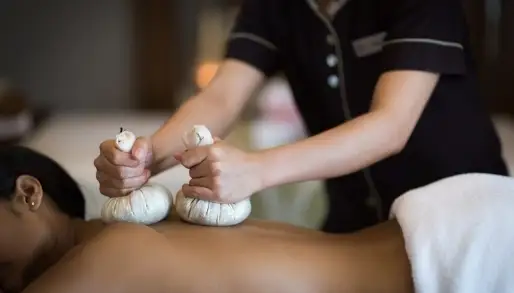
Traditional Ayurvedic treatments like Abhyanga (warm oil massage), Shirodhara (oil pouring on the forehead), and Nasya (nasal therapy) use herbal oils and marma therapy to calm the mind, reduce dryness, and balance vata and pitta doshas, which often become imbalanced during menopause. - Herbal Medicine
Botanicals like black cohosh, red clover, and Shatavari help balance estrogen and ease symptoms like vaginal dryness, night sweats, and low libido. These herbs support natural hormonal harmony without harsh effects.
Physical Fitness & Core Strengthening
Movement during menopause isn’t optional—it supports strength, balances hormones, and protects long-term health.
- Kegel Exercises
Strengthen the pelvic floor muscles, which can weaken with age and hormonal changes. According to the report of Urology Care Foundation, consistent Kegel practice can reduce urinary incontinence and support core stability. - Strength Training & Resistance Exercise
Lifting weights or using resistance bands helps preserve muscle mass, boost metabolism, and reduce the risk of osteoporosis. Dr. Jenna Rayachoti, naturopathy expert, emphasizes that strength training becomes increasingly important after menopause to maintain physical function. - Daily Cardio
Activities such as brisk walking, cycling, or swimming improve circulation, cardiovascular health, and energy levels. Moderate daily exercise also supports mental well-being by increasing endorphin levels.
Nutrition & Internal Support
Diets that support hormonal balance, gut health, and inflammation control can significantly reduce discomfort.
- Balanced Nutrition with Key Micronutrients
Eating a diet rich in whole grains, leafy greens, fruits, nuts, and healthy fats ensures adequate intake of nutrients like omega-3 fatty acids, zinc, magnesium, and B-vitamins. Dr. Mary Claire Haver, M.D, board-certified Obstetrics and Gynecology specialist, notes that these nutrients help regulate stress, support heart function, and ease hormonal shifts. - Gut Health
Hormonal fluctuations during menopause can disrupt digestion and microbiome health. Including probiotics (such as fermented foods), prebiotics (like fiber-rich vegetables), and staying hydrated help maintain gut function, nutrient absorption, and immunity.
Daily Steps to Manage Menopause Symptoms at Home
Managing and treatment for menopause symptoms with simple lifestyle changes can make a significant impact. Here are five easy steps to help reduce hot flashes and other common menopause symptoms:
Step 1: Dress in Layers: Wearing layers allows you to quickly adjust your clothing when a hot flash occurs, helping you stay comfortable.
Step 2: Stay Hydrated: Drinking plenty of water throughout the day helps regulate body temperature and reduces the intensity of hot flashes.
Step 3: Avoid Trigger Foods: Cut back on alcohol, caffeine, and spicy foods, as these can exacerbate hot flashes and disrupt sleep.
Step 4: Add Flaxseed and Vitamin E: Flaxseed oil and vitamin E have been shown to help reduce hot flashes and balance hormone levels naturally.
Step 5: Focus on Iron-rich Foods: Foods high in iron, like spinach, lentils, and beans, support hormonal balance and help combat fatigue often experienced during menopause.
Why Women Are Choosing Wellness Garden
Menopause can be a challenging transition, but a holistic approach helps manage symptoms naturally—without relying only on pharmaceutical treatments. At Wellness Garden, we focus on empowering women with trusted, expert-led care for menopause symptoms.
Our platform connects you with personalised wellness programs designed to fit your needs—combining Ayurveda, acupuncture, movement therapy, nutrition, and lifestyle changes. Whether you’re dealing with hot flashes, anxiety, or fatigue, you’ll find practitioners who understand what your body truly needs.
We don’t just manage symptoms—we help you reconnect with your body’s natural rhythm. Book a session with our expert partners in Bangalore and access top-quality centre’s that specialize in natural menopause care. While options like HRT or antidepressants may be suggested in conventional care, we offer side-effect-free, supportive therapies that work in harmony with your body.
FQAs
1. What’s the best routine for menopause?
Regular exercise, like walking or weight training, along with stress-reducing activities like yoga, can help you feel better during menopause.
2. When should I consider therapies or a center?
If symptoms are affecting your daily life, it’s a good idea to get personalized support. Wellness Garden can help connect you to experts who can create a treatment plan just for you.
3. Why is natural treatment better than HRT?
Natural treatments can help balance your hormones without the side effects that come with hormone replacement therapy (HRT). They work with your body’s natural cycles.
4. Can menopause affect my sex life?
Yes, hormonal changes can cause vaginal dryness or discomfort. Some women also notice a change in their sexual desire during this time.
5. Is weight gain normal during perimenopause?
Yes, many women gain weight due to hormonal changes and muscle loss. But with a healthy diet and exercise, it’s manageable.
6. Can I get pregnant during menopause?
Pregnancy is unlikely after menopause, but it’s still possible during perimenopause, when ovulation can happen unpredictably.