Discover Relief from Anxiety with Float Tank Therapy
Want to get away from your everyday stress? Float therapy provides great relaxation in its soundproof, lightless tanks.So get the answer of how to deal with anxiety, does science support its promises of improved sleep, stress alleviation, and other benefits? Experience this new a
Written by

WG
Editorial Team
Reviewed By: Ms. Ami Sheth Doshi
Have you ever wanted to get away from the everyday bombardment of visuals, sounds, and feelings of how to deal with anxiety? A potential remedy is float tank therapy, sometimes referred to as isolation therapy restricted stimulation by environment therapy (REST), or Sensory deprivation tank therapy. It means attaining deep relaxation in a tank that has been specially built.

What is Float tank therapy?
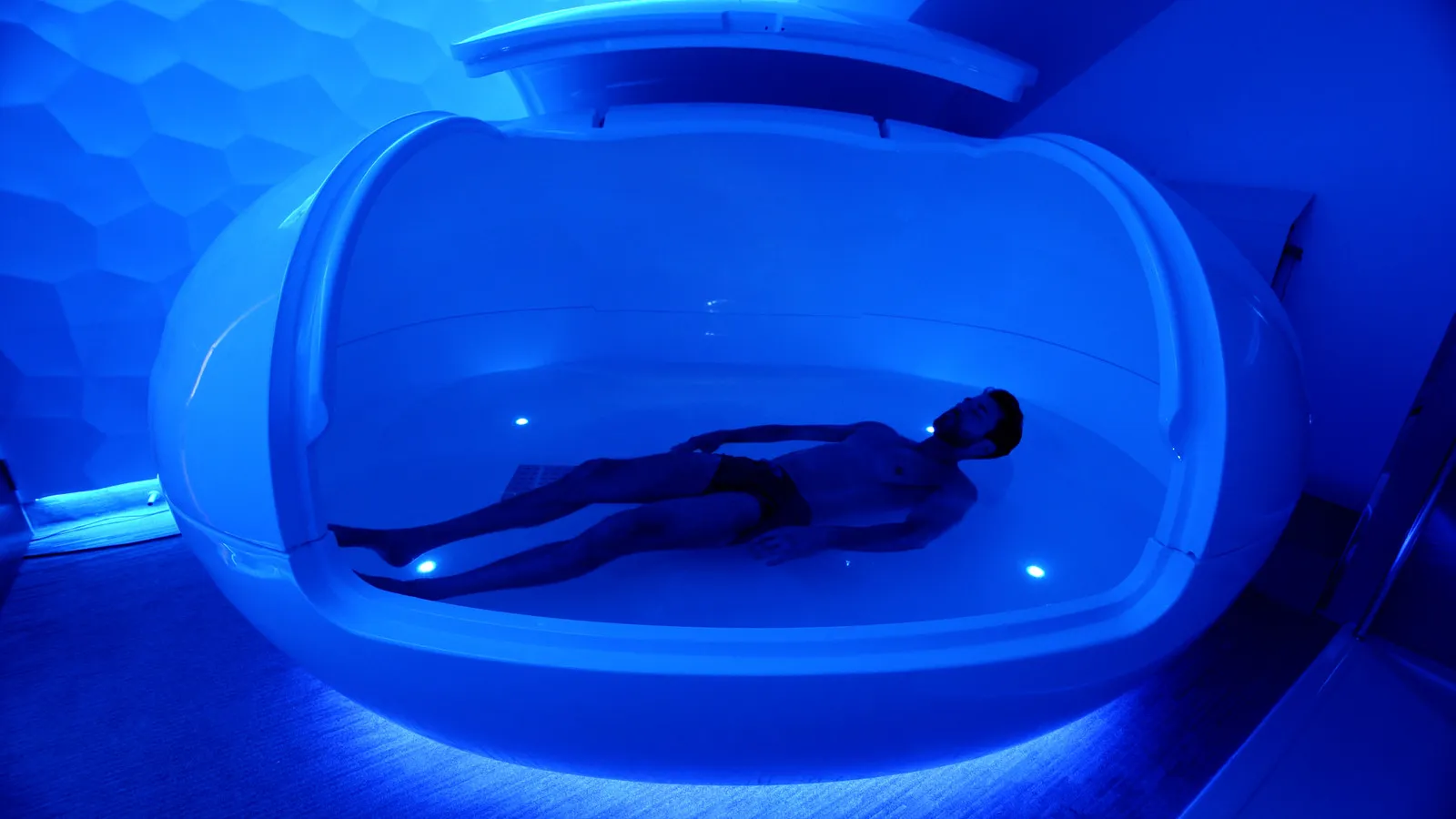
Visualize a low- and sound-proof container that is filled with body-temperature saltwater that has been infused with 25% to 30% Epsom salts. During flotation therapy, you enter that atmosphere. As there is a lot of salt in the water, you easily have buoyancy and can float weightlessly on the water’s surface. This isolation from external influences produces a very calming state. Floatation-REST originated in the 1950s when the researchers at the National Institute of Mental Health, Drs. Jay Shurley and John Lilly were concerned about how the brain would react in a situation where there was no external sensory information.
What Happens During a Floatation Therapy Session?
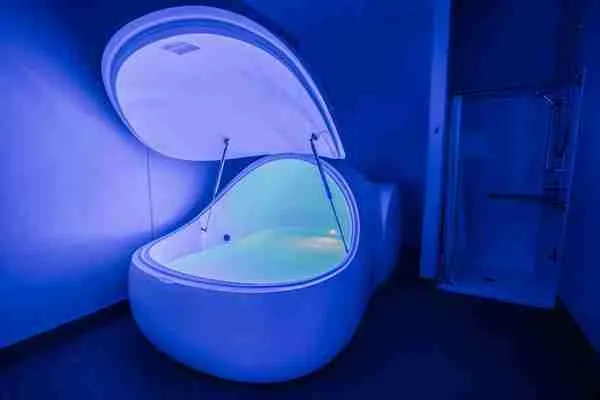
Usually, a float session lasts between 60 to 90 minutes. Here is a brief discussion of this therapy of what to expect and how to deal with anxiety are as follows:
- Before the flotation, take a shower and take out any jewelry and contact lenses. You will get earplugs and other equipment available at the center.
- Stepping Into the Tank: The tank is big enough for you to easily lie down or stand in. On average, the water’s temperature is the same as one’s body temperature, explains Dr. Simpson in a Forbes Health report.
- For floatation, simply close your eyes or turn down all lights in the tank and focus on releasing stress and just being in the moment while you float.
- Post-Float: The session will come to an end with a soft alert. Take your time adapting to the fresh surroundings after departing.