Benefits of Ayurveda
Balance is essential for the body to be healthy and well which can be achieved with the help of Ayurveda. Some benefits that the Ayurveda practice offers are listed below:
- Staying well – By practicing Ayurvedic preventive care techniques, you can maintain health and stay away from diseases.
- Beautiful skin – Ayurveda helps you understand your skin type better so that you can choose the appropriate natural skin care treatments to achieve healthy and beautiful skin.
- Improved concentration – Ayurvedic practices promote both mental and physical balance which helps soothe our mind and improve concentration.
- De-stressing – The diet and lifestyle recommended in Ayurveda help alleviate stress.
- Revitalizing energy – Understanding your body’s natural constitution through Ayurveda will help you determine ways of bringing your body to balance and help revitalize your energy.
- Relaxation – To feel content in the mind and body it is necessary to relax. Relaxation can be achieved by therapeutic body massages to get rid of stress.
- Anti-aging – By balancing and maintaining a healthy relationship with the body’s constitution, you can achieve internal harmony and enjoy a healthy, youthful body even as you age.
How Ayurvedic Doctor works ?
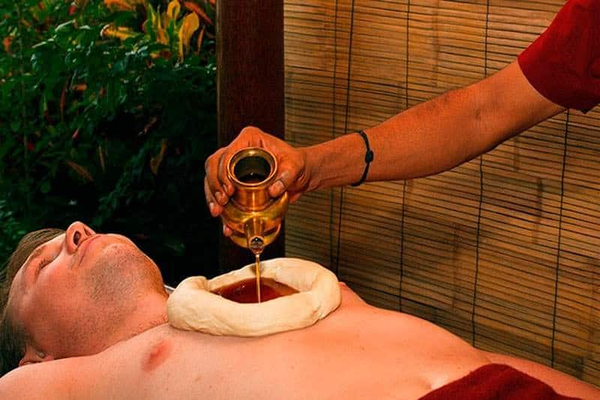
The Ayurveda system is holistic and individualized. Its objective is to maintain and promote health, prevent diseases, and cure illnesses. The treatment approach involves avoiding the causative factors that are responsible for the imbalance in the body’s constituents by using Panchakarma techniques, medicines, suitable diet, activity, and regimen for restoring balance and strengthening the body mechanism to prevent or minimize the recurrence of the disease.
First, the ayurvedic doctor use their knowledge and wisdom to analyze the individual and their sufferings using their technical skills with humility. Based on the condition and the symptoms, a diet and medication plan is administered to the individual to treat the cause of the condition in a manner that there be no recurrence. Then, skilled, intelligent, and sympathetic nursing personnel treat the patient with utmost care and professionalism. During the entire course of treatment, the patient needs to be cooperative, obedient, and follow the instructions of the physician.
Types of Ayurvedic Treatment
Treatment of the disease can be classified into 6 types according to Ayurveda:
- Purification treatment (Shodhana therapy) – Involves internal and external purification. It aims at removing causative factors leading to physiological and psychological diseases. It is helpful for neurological disorders, Musculoskeletal disease conditions, respiratory diseases, degenerative diseases, etc.
- Palliative treatment (Shamana therapy) – It involves restoration of the vitiated life forces (Doshas). The ayurvedic doctor uses palliatives and sedatives to achieve a balance of one humor without creating an imbalance in the other humor. It also encourages exercise, sun exposure, and fresh air for maximal benefits.
- Prescription of Diet and Activity (Pathya Vyavastha) – This treatment helps enhance the effects of therapeutic measures and impedes pathogenic processes. The aim is to stimulate the digestive fire (Agni) and optimize digestion and assimilation of food to ensure the strength of the tissues.
- Avoidance of Disease-causing and Aggravating Factors (Nidan Parivarjan) – This treatment aims to avoid the known disease-causing factors in the diet and lifestyle of the patient. It also encompasses the idea to refrain from further aggravating the disease.
- Psychotherapy (Satvavajaya) – It is concerned with treating mental disturbances. It includes restraining the mind from desires for unwholesome objects and cultivation of courage, memory, and concentration.
- Using Immunomodulators and Rejuvenating medicines (Rasayana therapy) – Deals with promotion of strength and vitality. It prevents premature wear and tear of body tissues and promotes overall health.
Side Effects of Ayurveda
The Ayurvedic medical practice can be confusing and difficult to follow. Based on your body’s constitution, you will be advised to consume and avoid certain foods to maintain balance in your body. However, this Ayurvedic diet can be overly restrictive and less flexible which makes it difficult to be followed. As the diet is based on the body’s constitution, choosing an incorrect constitution and suggesting the wrong diet can negatively impact your body and affect the result you want to achieve.
Ayurveda is an effective and safe method for treating various health ailments like lifestyle disorders, degenerative conditions, neuromuscular disorders, allergies, etc. It can generally be taken with allopathic medicine unless recommended otherwise, hence, consultation and advice of a professional is required before starting Ayurvedic medicines for health conditions.
Your Path to Personalised Healing with Wellness Garden
At Wellness Garden, we serve as a digital platform connecting you to over 600 verified experts across India for natural, holistic healing. From nutrition and mind-body therapies to Ayurveda, acupuncture, and other wellness programs, we help you access personalized sessions tailored to your needs.
Whether you’re managing physical discomfort, stress, or aiming to enhance overall well-being, Wellness Garden guides you toward long-term health with expert-led therapies and tailored programs. Book your personalized session today and begin your journey to holistic wellness.
FQAs
1. Where can I find Ayurveda experts in Bangalore?
Wellness Garden connects you to verified Ayurvedic doctors across Bangalore for personalized gut health and wellness sessions.
2. Can Ayurveda sessions be done online?
Yes, you can consult Ayurvedic doctors safely online through Wellness Garden, allowing you to follow treatments from home.
3. Can Ayurveda be combined with other therapies?
Absolutely. Ayurveda can complement yoga, Panchakarma, stress management, and mind-body healing for a holistic approach.
4. Do Ayurvedic doctors need specific qualifications?
Yes, qualified Ayurvedic practitioners hold recognized degrees like BAMS (Bachelor of Ayurvedic Medicine & Surgery) and follow regulated practices.
5. Who can benefit from Ayurveda?
Ayurveda is generally safe for all ages, with treatments tailored according to age, health condition, and digestive sensitivity.
End note from WG Team
Latest Blogs